1-Day San Pedro Ceremony in Cusco
Best San Pedro Ceremony Cusco 1 Day. A single day is enough to sit with San Pedro in the way the Andes have always intended: outdoors, under open sky, with a master who has spent decades holding this kind of space. If you’re searching for a San Pedro ceremony in Cusco, chances are you already know a little about the medicine — maybe you’ve read about Wachuma, maybe a friend described a ceremony that changed how they see their own life. What most people don’t find easily is a clear, honest picture of what a full day actually looks like: the pickup time, the altitude, the fasting, the hours spent in ceremony, and what happens once the sun starts to set and it’s time to head back to the city.
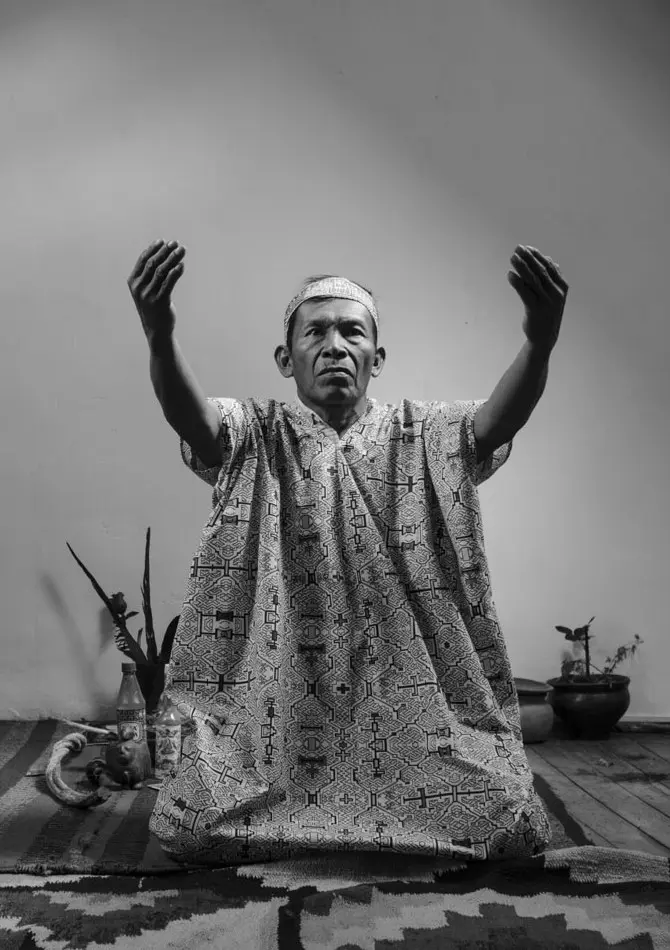
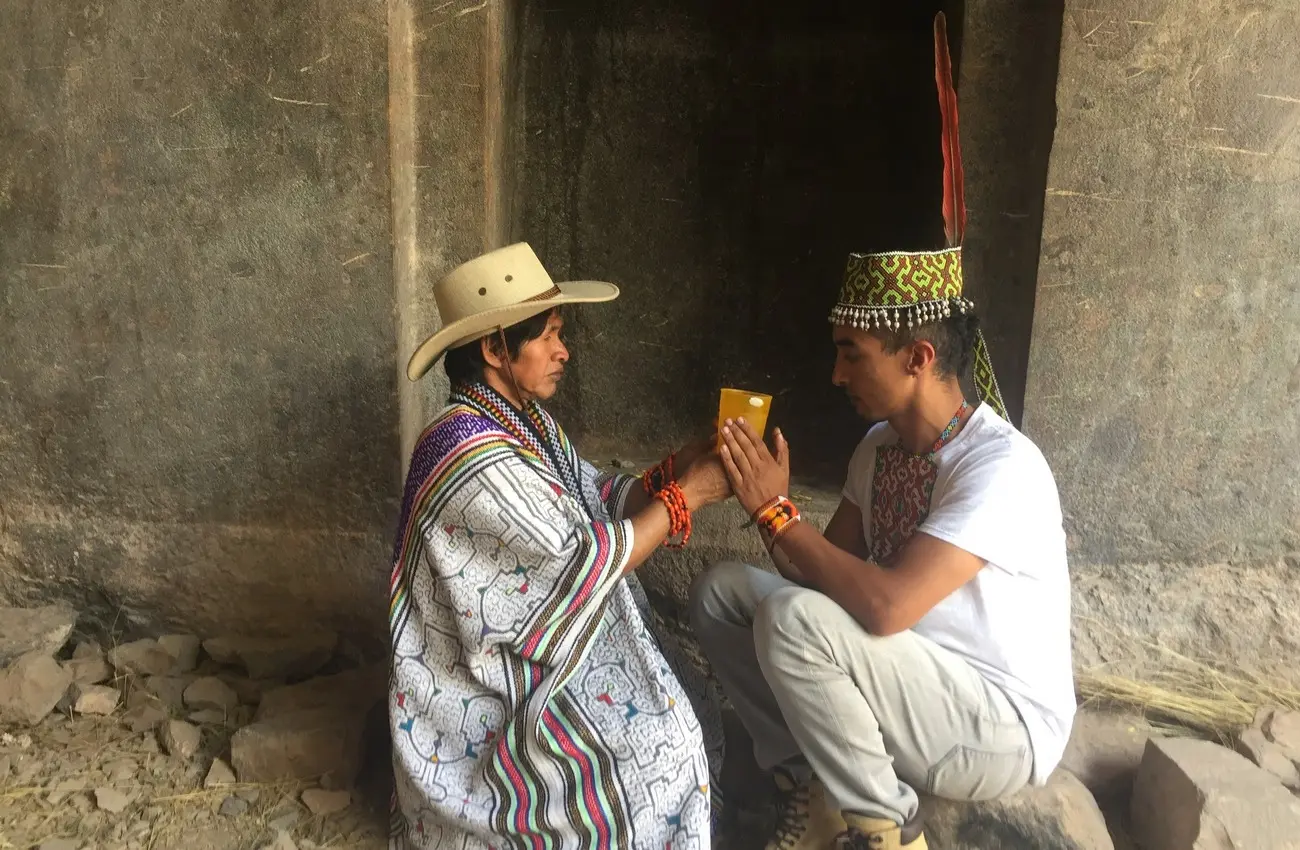
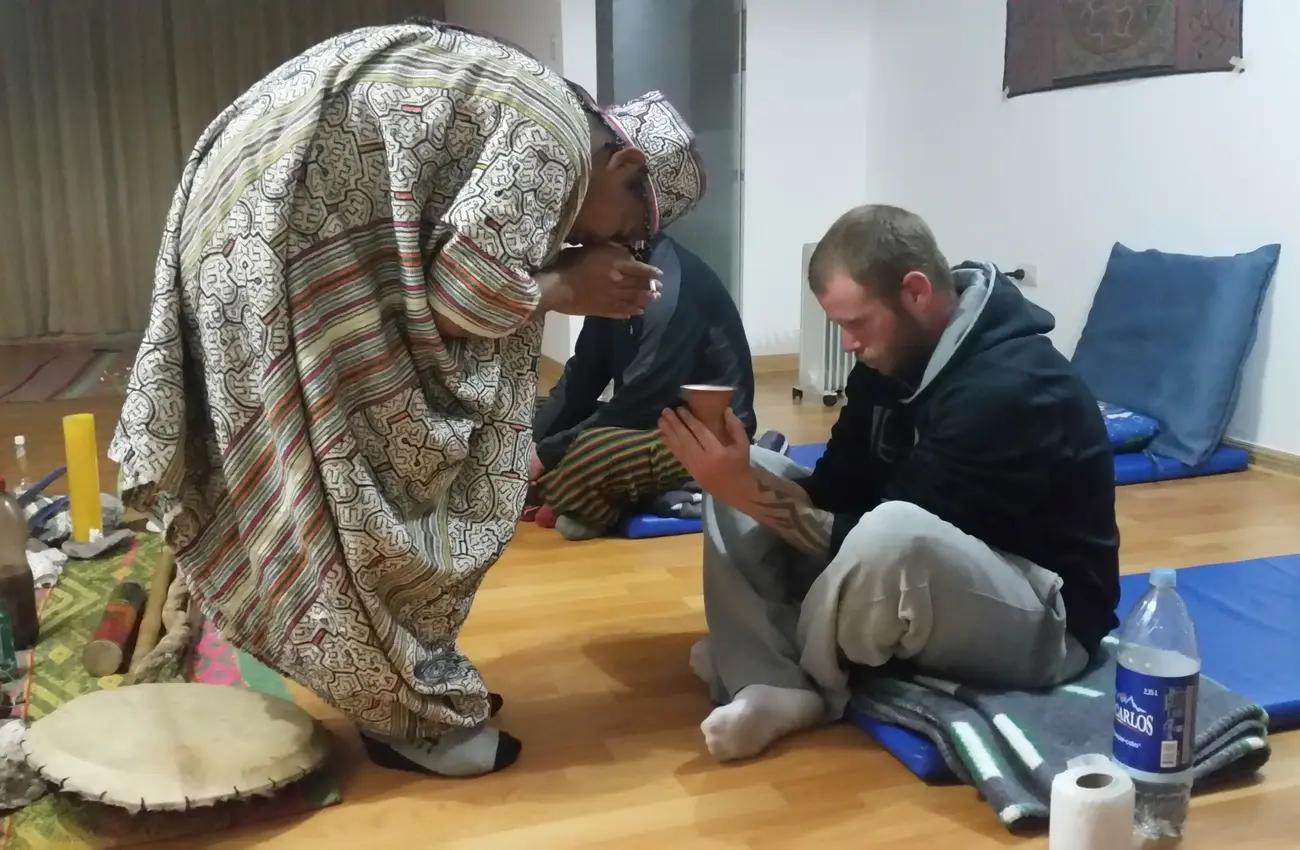
San Pedro (Wachuma) Ceremony 1 Day in Cusco - Peru | Authentic Wachuma Retreat
Picture a day spent under open Andean sky, mountains standing guard on every side, a fire crackling nearby, and a master healer beside you who has walked this path since childhood. That’s the shape of a 1-day San Pedro ceremony in Cusco — twelve hours away from the noise of ordinary life, built around the sacred Wachuma cactus and a lineage of Andean wisdom that predates the Inca themselves. Unlike the darkness and introspection of an Ayahuasca night, San Pedro unfolds in daylight, heart wide open, sun on your face, the Sacred Valley itself taking part in the healing. Whether this is your first encounter with plant medicine or your tenth, few single days will leave you feeling this reconnected to yourself, to the earth, and to something larger than both.
- Duration: Full day, approximately 12 hours (ceremony itself: ~5 hours)
- Location: Sacred Valley or countryside near Cusco, 30-60 minutes from the city
- Altitude: Roughly 3,000-3,800 meters above sea level
- Group size: Small groups or private ceremonies, typically 2-8 participants
- Starting price: Around $150-$250 per person, depending on group size and inclusions
- Best suited for: Adults 18+ in good cardiac and mental health, with or without prior plant medicine experience
Ayahuasca Ceremony Itinerary
What to Expect: A Full Day, Hour by Hour
Every operator structures the day slightly differently, but a well-run 1-day San Pedro ceremony in Cusco tends to follow a rhythm close to this:
Early morning (7:30–9:00 am). Pickup from your hotel in Cusco. You’ll arrive on an empty stomach — most ceremonies ask you to fast from the night before, drinking only water. The drive out to the ceremonial site takes anywhere from 30 minutes to just over an hour, depending on whether the ceremony is held close to the city or deeper into the Sacred Valley.
Mid-morning (9:00–11:00 am). Arrival and opening. This is where the day slows down. The shaman opens sacred space — often with a kintu offering of coca leaves, prayers to the Apus and Pachamama, and sometimes a short reading of coca leaves for each participant to set intention. There may be a brief cleansing ritual before the medicine is served, meant to clear heavier energy before San Pedro is taken.
Late morning (11:00 am–12:00 pm). The San Pedro brew is served. It has a notably bitter taste — most people describe it as far less pleasant than they expected — and the effects build gradually over the following 45 to 90 minutes rather than arriving all at once.
Early afternoon (12:00–4:00 pm). This is the heart of the ceremony. You’ll typically walk slowly through the landscape, sit in silence, or rest near a fire, guided loosely by the shaman and an assistant who stays close in case anyone needs support. Music, icaros, or simple silence accompany this stretch. The peak of the experience usually lands somewhere in the early afternoon, with a gradual softening as the hours pass.
Late afternoon (4:00–6:00 pm). As the effects ease, most ceremonies close with a second offering — often gratitude to Pachamama — followed by a shared meal. This is also when the shaman may sit with each participant individually to talk through what came up.
Evening (6:00–7:30 pm). Return transport to your hotel in Cusco. Some centers offer the option to stay overnight if you’d rather not travel right after the ceremony, which is worth asking about if you tend to need more time to settle.
The full experience runs close to twelve hours door to door, even though the ceremony itself is closer to five hours long.
Included
- Pick-up and drop-off from Cusco.
- 1 authentic San Pedro ceremony Cusco with experienced shamans.
- Preparation and guidance before the ceremony.
- Individual assistance during the process.
- Safe, sacred space in small groups.
Highlights
- Participate in a traditional San Pedro Wachuma ceremony in Cusco, Peru led by experienced shamans.
- Experience profound healing, spiritual cleansing, and deep introspection.
- Small group retreat for a safe and intimate setting.
- Authentic Amazonian medicine guided by ancestral knowledge.
- Possibility to combine your retreat with visits to Machu Picchu or Sacred Valley.
⚠️ The San Pedro Wachuma retreat Cusco Peru is not recommended for people with certain medical conditions or psychiatric history.
⚠️ A dietary preparation (Ayahuasca Dieta) is recommended at least 2-3 days before the ceremony: avoid alcohol, pork, red meat, spicy food, and drugs.
⚠️ This is a sacred experience, not for recreational purposes. We honor and respect the ancestral tradition of Amazonian medicine.
⚠️We warmly invite you to arrive in Cusco at least two days before your retreat so your body has time to gently adapt to the altitude. Many travelers feel the effects of the high elevation, and arriving on the same day of your retreat would make it unsafe for us to serve Ayahuasca. In such a case, your retreat would need to be moved to the next available date, and unfortunately refunds are not possible. This guideline is simply to protect your well-being, as experiencing altitude sickness during ceremony can pose serious health risks.
⚠️During your acclimatization, you’ll need to arrange your own accommodation. If you’d like, we are happy to recommend trusted hotels that offer everything you may need, including airport transfers, so that your arrival in Cusco feels smooth and stress-free.
⚠️On the morning of your retreat, we will gather at Plaza Nazarenas at 9:00 am and travel together by shuttle to the retreat center. For breakfast, please enjoy something light such as fresh fruit and juice, avoiding bread and dairy products, so your body is well-prepared for the medicine.
⚠️Because Ayahuasca is a sacred and powerful plant medicine, it’s important that your body is as clear as possible. We encourage you to begin a gentle, natural detox two weeks before the retreat, avoiding substances or medications that could interfere with the experience.
San Pedro Wachuma Pre-Retreat Restrictions
Two weeks before the retreat, avoid:
- Pork
- Any kind of sexual activity, including masturbation
- Alcohol
- Cannabis
- Recreational drugs (cocaine, MDMA, amphetamines, etc.) – this is mandatory for your safety and to prevent any possible energetic impact on other participants
- Spicy foods
- Ice, ice cream, or very cold drinks
One week before the retreat, avoid:
- Refined sugars
- Red meat
- Junk food
- Salt and pepper
- Sweets or chocolate
- Oils (if necessary, use only a small amount of olive or coconut oil)
- Animal fats (such as lard)
- Carbonated drinks (sodas, energy drinks, non-alcoholic beer, etc.)
- Dairy products
- Fermented foods
- Caffeine and other stimulants
Additional restrictions:
- Important: Please let us know if you are currently taking any medication or supplements.
- If your menstrual cycle coincides with the retreat, inform the facilitators upon arrival.
- Ayahuasca is not compatible with pregnancy.
What's Typically Included (and What Isn't)
Most reputable operators in Cusco build their 1-day San Pedro packages around a similar core, though prices vary depending on group size and whether you want a private ceremony.
Usually included: round-trip private transportation from your hotel, the guidance of an experienced Andean master (and often a Quechua-Spanish-English translator), the San Pedro medicine itself, a shared lunch or dinner after the ceremony, and basic ceremonial elements like coca leaves and offerings.
Usually not included: travel insurance, tips for the shaman and support team, and any additional rituals — coca leaf readings, cleansing ceremonies, or a Pachamama offering — that some centers bundle in as add-ons rather than including by default.
Pricing for a group 1-day San Pedro ceremony near Cusco generally starts somewhere around $150-$250 per person, climbing for private ceremonies or centers that build in several additional Andean rituals around the main medicine work.
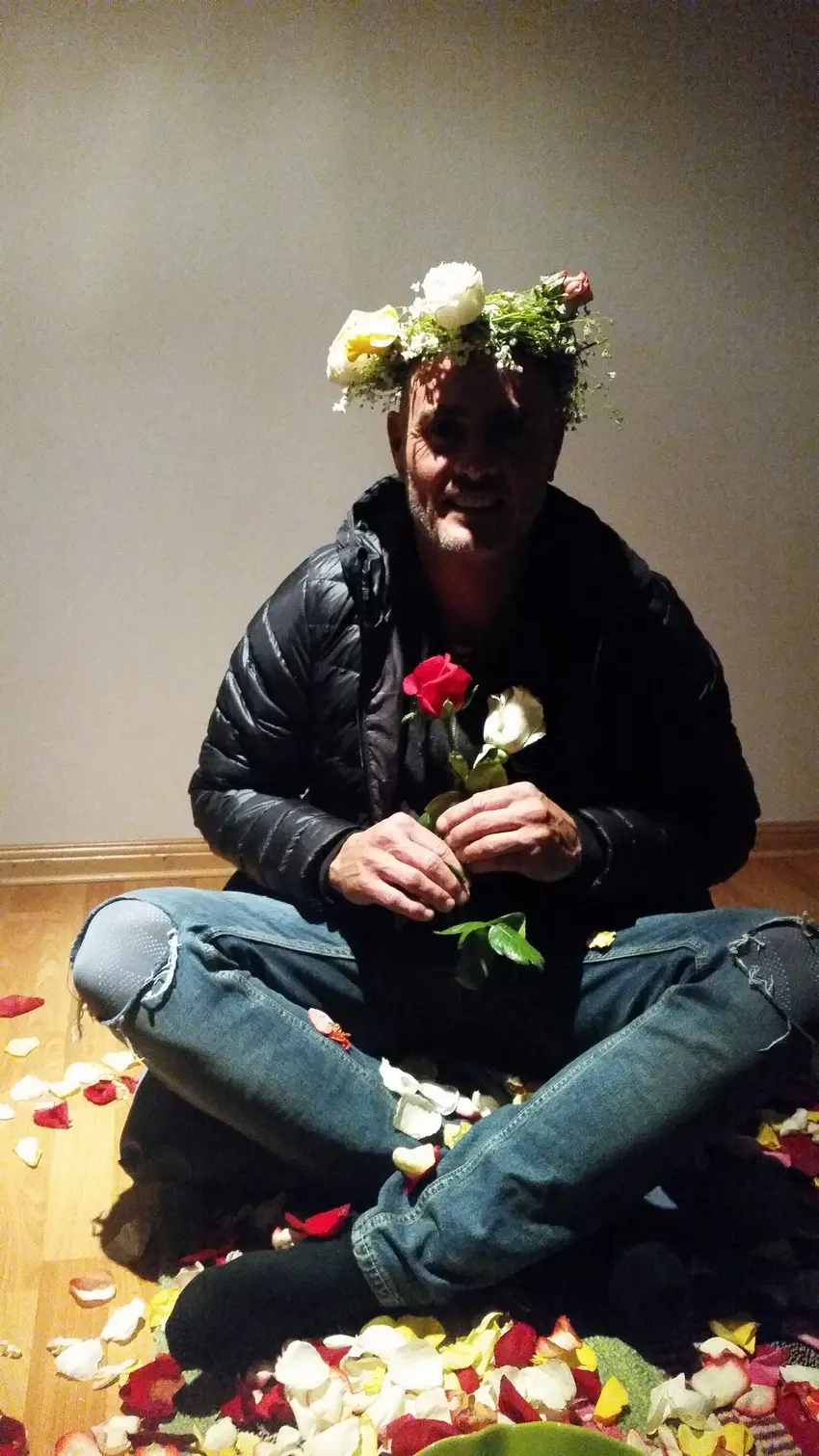
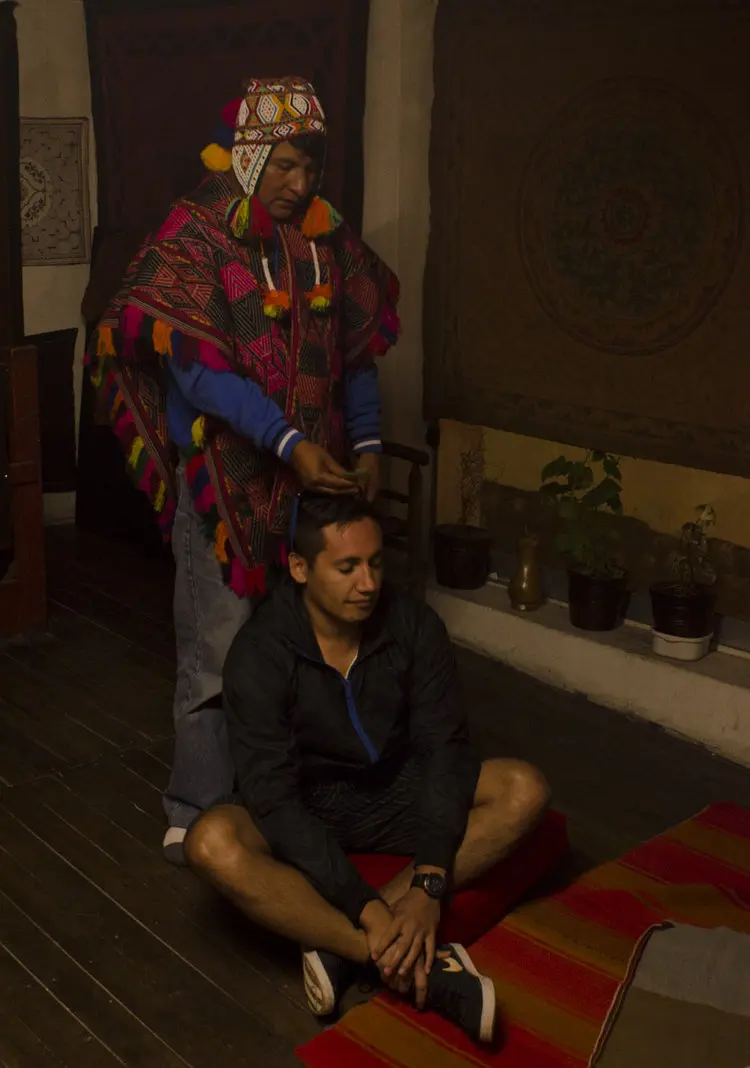
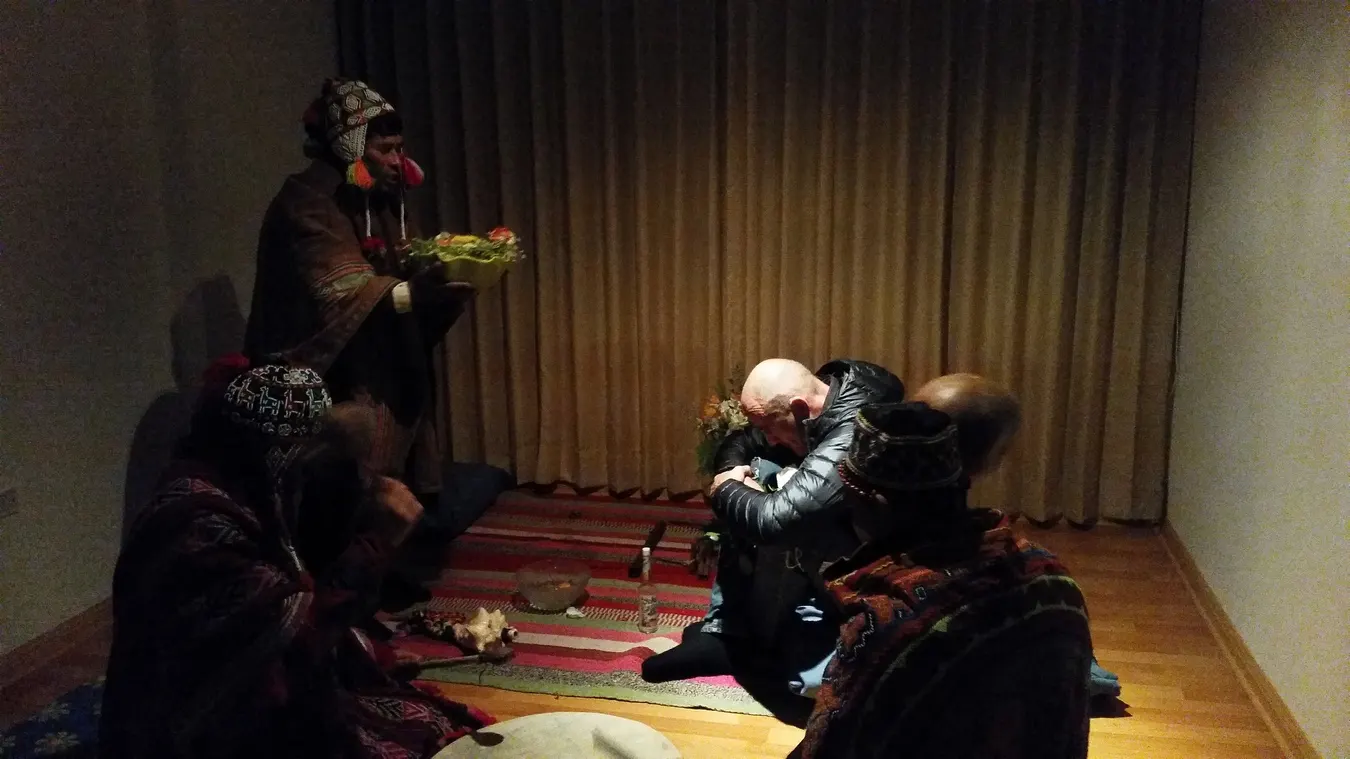
What Is San Pedro (Wachuma)?
San Pedro — known in Quechua as Wachuma, and botanically as Echinopsis pachanoi — is a columnar cactus native to the high Andes. Andean communities have worked with it for well over three thousand years, long before the Spanish arrived and gave it the Catholic name it’s known by outside Peru. The cactus contains mescaline, the same psychoactive compound found in peyote, though the experience it produces has its own distinct character.
Where Ayahuasca is typically taken at night, in darkness, and tends to pull people inward toward the subconscious, San Pedro works differently. It’s a daytime medicine. You drink it under the sun, you walk, you sit by a river or against a mountainside, and the plant tends to open the heart rather than confront the shadow. Andean healers often describe it as el remedio del corazón — the remedy of the heart. Visions are less common than with Ayahuasca; instead, most people report a sharpening of perception, a softening of old emotional armor, and a felt sense of connection to the land around them.
None of this makes San Pedro a gentler substitute for Ayahuasca, and it isn’t a shortcut either. It’s simply a different tool, rooted in a different lineage of Andean cosmology, built around the Apus (mountain spirits) and Pachamama (Mother Earth) rather than the jungle traditions that shaped Ayahuasca ceremonies.
Why Do a San Pedro Ceremony in Cusco and the Sacred Valley?
Cusco sits at roughly 3,400 meters, and the Sacred Valley around it climbs and drops through some of the most ceremonially significant land in South America. This isn’t incidental to the experience — altitude changes how the body and mind hold the medicine, and the region carries an unbroken thread of Andean ceremonial practice that’s harder to find elsewhere.
A few things make this specific setting matter:
The lineage runs deep here. Many of the shamans and Q’ero masters leading ceremonies in and around Cusco were trained by their own fathers or grandfathers, in communities where this work never stopped being practiced, even during centuries of suppression.
The land itself is considered active in the ceremony. Sites near Pisac, Chinchero, and smaller valleys south of Cusco were used for ritual purposes by the Inca and pre-Inca cultures — carved stone altars, natural rock formations aligned with the mountains, open plateaus facing the Apus. Andean practitioners don’t treat this as backdrop; they treat the land as a participant.
The daylight setting works with San Pedro’s nature rather than against it. Because the medicine is taken during the day, being surrounded by real mountains, rivers, and open sky rather than a closed room adds a dimension that’s difficult to replicate anywhere else.
San Pedro vs. Ayahuasca: Which One Is Right for You?
People often arrive in Cusco unsure which medicine fits what they’re looking for. There’s no single right answer, but the differences are worth knowing before you book anything.
San Pedro (Wachuma) | Ayahuasca | |
Timing | Daytime | Night |
Setting | Outdoors, in nature | Indoors, in darkness |
Character | Heart-opening, gentle, expansive | Introspective, intense, purgative |
Duration of effects | 8-12 hours | 4-6 hours |
Physical effects | Rarely causes vomiting | Vomiting/purging is common |
Typical focus | Emotional clarity, connection to nature | Deep psychological work, ancestral trauma |
If you’re new to plant medicine altogether, many practitioners recommend starting with San Pedro. It tends to be more forgiving for a first encounter, and the daylight, outdoor setting keeps you more anchored throughout. If you’ve already worked with Ayahuasca and want to explore both, combining a San Pedro ceremony with an Ayahuasca ceremony in Cusco during the same trip is common — many travelers do San Pedro first to open the heart before working with Ayahuasca a few days later.
How to Prepare for Your San Pedro Ceremony
Preparation genuinely shapes the outcome of the day. This isn’t a formality — it’s part of the work.
In the three days before: cut out red meat, pork, and heavy fats. Skip alcohol and any recreational substances entirely. Reduce processed food, refined sugar, and caffeine. Favor light, plant-based meals.
Medications: antidepressants, particularly SSRIs and MAOIs, along with most stimulants, can interact seriously with San Pedro. If you’re on any prescription medication, this needs to be discussed with the retreat center well before your ceremony date, not the morning of.
The night before: eat a light dinner, avoid eating after around 9 pm, and try to get real rest. Arriving exhausted makes the day harder than it needs to be.
On the day: come with an empty stomach, dress in warm layers you can adjust as the mountain weather shifts, and bring a journal if writing helps you process. Leave rigid expectations behind — San Pedro tends to give people what they need, not necessarily what they came looking for.
Who Should Avoid This Ceremony
A responsible operator will ask about your health history before confirming your booking, and you should be wary of anyone who doesn’t. San Pedro is generally not recommended for people with cardiac conditions, women who are pregnant or breastfeeding, and anyone currently on psychiatric medication without medical clearance and a proper tapering plan. Participants are almost always required to be at least 18 years old.
This isn’t about gatekeeping the experience — it’s a genuine safety matter. Mescaline affects heart rate and blood pressure, and combined with the altitude of the Andes, that’s not something to take lightly. Be honest with the shaman and the center about your physical and mental health beforehand; withholding information doesn’t protect the ceremony, it just makes it more dangerous.
Benefits and Effects People Commonly Report
San Pedro isn’t a medical treatment, and no reputable practitioner will claim it cures anything. What it consistently offers, according to people who’ve sat with it, is a kind of emotional recalibration. Many describe a noticeable heart-opening quality — old grief, numbness, or defensiveness loosening enough to let something softer through. Others talk about heightened sensory perception: colors more saturated, sound more textured, the natural world feeling less separate from themselves.
Mental clarity comes up often too — a way of seeing a stuck situation from a different angle, or simply feeling less noise around a decision that’s been hard to make. And because the ceremony happens outdoors, in real contact with mountains, rivers, and open sky, the sense of connection to nature that people describe tends to feel less like a concept and more like something felt in the body.
It’s worth being honest that San Pedro doesn’t always feel pleasant throughout. Difficult emotions or memories can surface, and that’s part of the process rather than a sign something went wrong. A steady, experienced guide matters here — their job is to hold space for whatever comes up, not just for the easy parts.
Ready to Experience San Pedro in Cusco
A 1-day San Pedro ceremony in Cusco is a serious commitment of a full day, but for most people, it's genuinely manageable — no prior plant medicine experience required, just honesty about your health and a willingness to prepare properly. If you're planning your trip to Cusco and want to include this ceremony, reach out with your travel dates and we'll walk you through availability, logistics, and everything you need to know before you arrive.
Ayahuasca Cusco
How long does a San Pedro ceremony last?
The ceremony itself typically runs around five hours, though the medicine's effects can continue for eight to twelve hours in total. Including transportation, plan for a full day, roughly twelve hours from pickup to drop-off.
Does San Pedro cause vomiting like Ayahuasca?
Not usually. Mild nausea in the first hour after drinking is common, but San Pedro rarely produces the sustained purging associated with Ayahuasca ceremonies.
Can I do a San Pedro ceremony if it's my first time with plant medicine?
Yes, and many practitioners consider it a gentler entry point than Ayahuasca specifically because of its daytime, outdoor format and generally milder physical effects. That said, "gentler" doesn't mean risk-free — the same health screening and preparation guidelines still apply.
What's the difference between San Pedro and Huachuma?
Nothing — they're the same plant. "Huachuma" (also spelled Wachuma) is the Quechua name, while "San Pedro" is the name given by Spanish colonizers. Both refer to the same ceremonial cactus.
Do I need a medical certificate to participate?
Some centers require one, especially if you have a pre-existing health condition or prior experience with cardiac issues. At minimum, expect a health screening questionnaire before your ceremony is confirmed.
Can I combine a San Pedro ceremony with an Ayahuasca retreat during the same trip to Cusco?
Yes, this is a common combination. Most people space the two ceremonies a few days apart rather than back-to-back, allowing time to integrate each experience separately.