The Sacred Andean Cactus Medicine of Peru
Long ago, before the Incan Empire rose to prominence and way before modern spirituality began to embrace the use of plants for healing, Indigenous people throughout the mountains of Peru were utilizing plant medicine for thousands of years. One of these sacred plants is still used today by Indigenous peoples, called San Pedro or Wachuma in Quechua (Huachuma, Achuma).
This plant medicine has been used for healing, for spiritual awakening, and for connecting with the Earth since time immemorial. In the modern context, much of the time people interpret psychedelic experiences as an escape or a hallucination; however, San Pedro is not an escape, but rather a means of achieving clarity and grounding while reconnecting with one’s true self.
This guide will explore what San Pedro (Wachuma) is all about, the Aboriginal ancestors behind this ancient plant medicine, the spiritual teachings associated with San Pedro, and the ways that San Pedro continues to be utilized today in traditional ceremonies throughout the Andes—especially in the sacred city of Cusco, Peru.
If you feel called to experience this sacred medicine in its ancestral homeland, explore an authentic San Pedro (Wachuma) ceremony in Cusco, guided by experienced Andean shamans in a respectful ceremonial setting.
👉 Discover our San Pedro Ceremony in Cusco
Ayahuasca Ceremonies Cusco
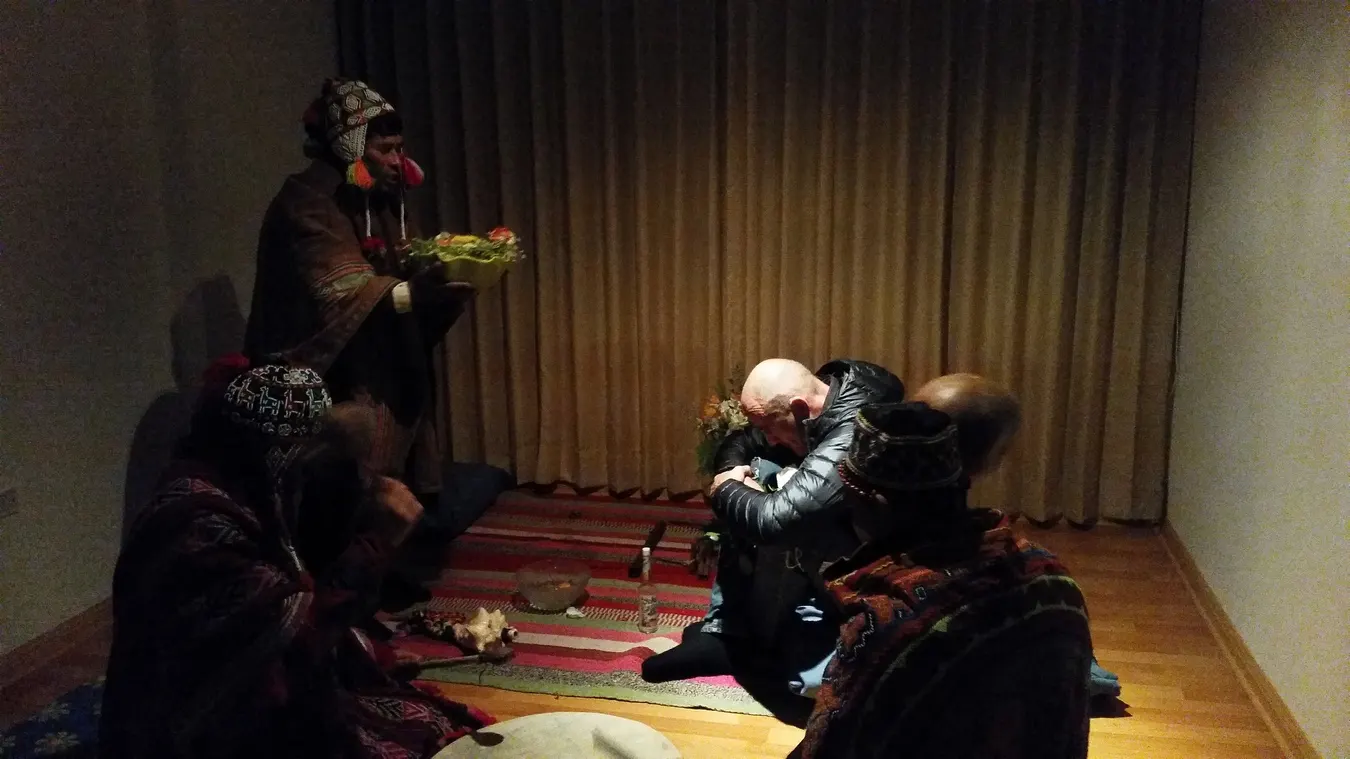
1 Day Ayahuasca Retreat Cusco
Designed for visitors with little time seeking a profound spiritual experience, the 1 Day Ayahuasca Retreat in Cusco, Peru is meant for them.
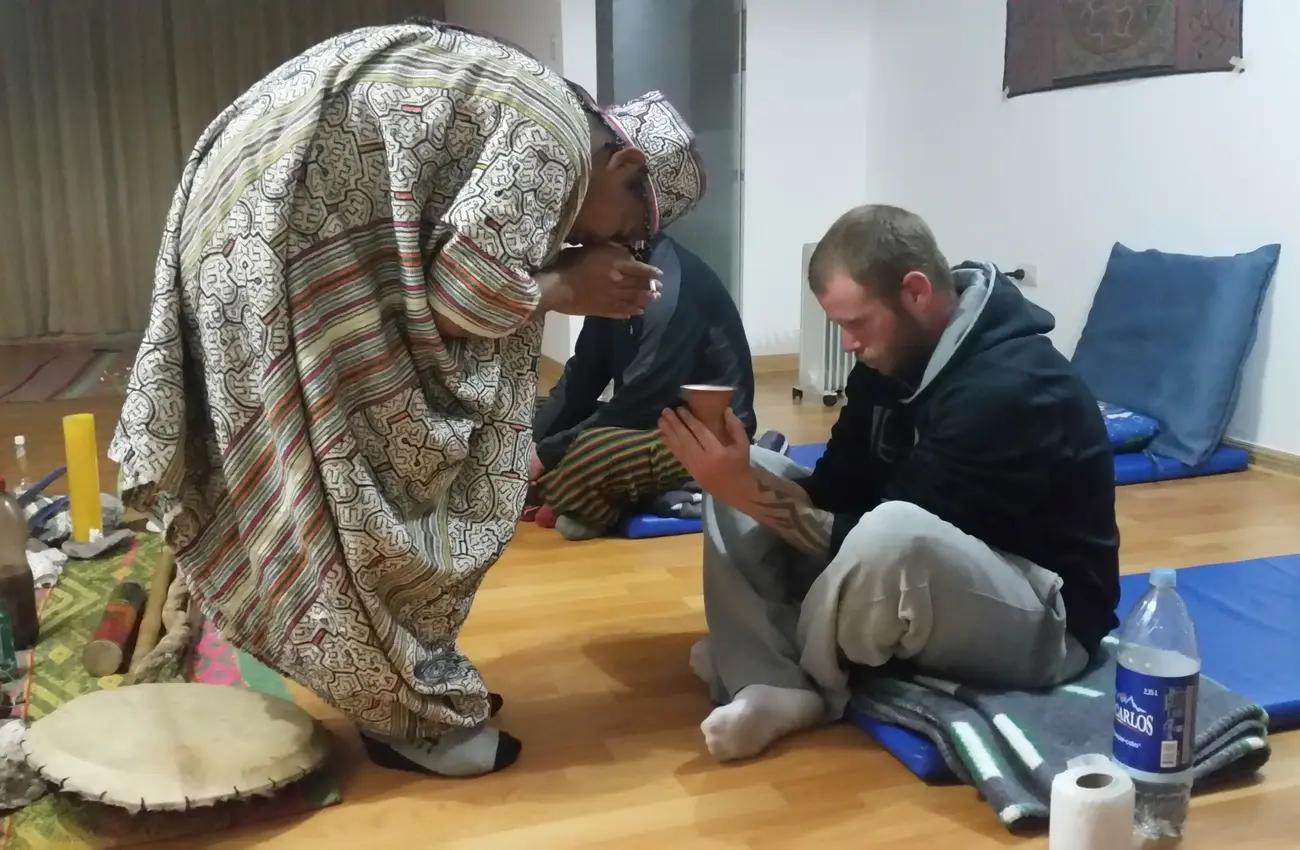
2 Day Ayahuasca Retreat Cusco
Our 2 Day Ayahuasca Retreat Cusco Peru offers a sacred space for those who seek profound healing and self-discovery in a short yet powerful journey.
What Is San Pedro (Wachuma)?
The Andean Sacred Cacti San Pedro have been found in Peru, Bolivia, and Ecuador. They belong to the Echinopsis genus of the family Cactaceae, but there are other related species that may also be used traditionally, including Echinopsis peruviana.
Wachuma means “to remove the head” or “to cleanse perception” in the Quechua language, and this reflects how Wachuma is believed by many cultures that have used it for thousands of years to provide clarity in one’s thinking, release emotional blockages, and restore balance in one’s energy to allow for greater comprehension of the truth.
The San Pedro plant is often referred to as a “plant teacher.” It is not regarded as something to consume for recreation but rather as a living being with intelligence, working collaboratively with the person consuming it, the shaman assisting the person, and the surrounding natural environment.
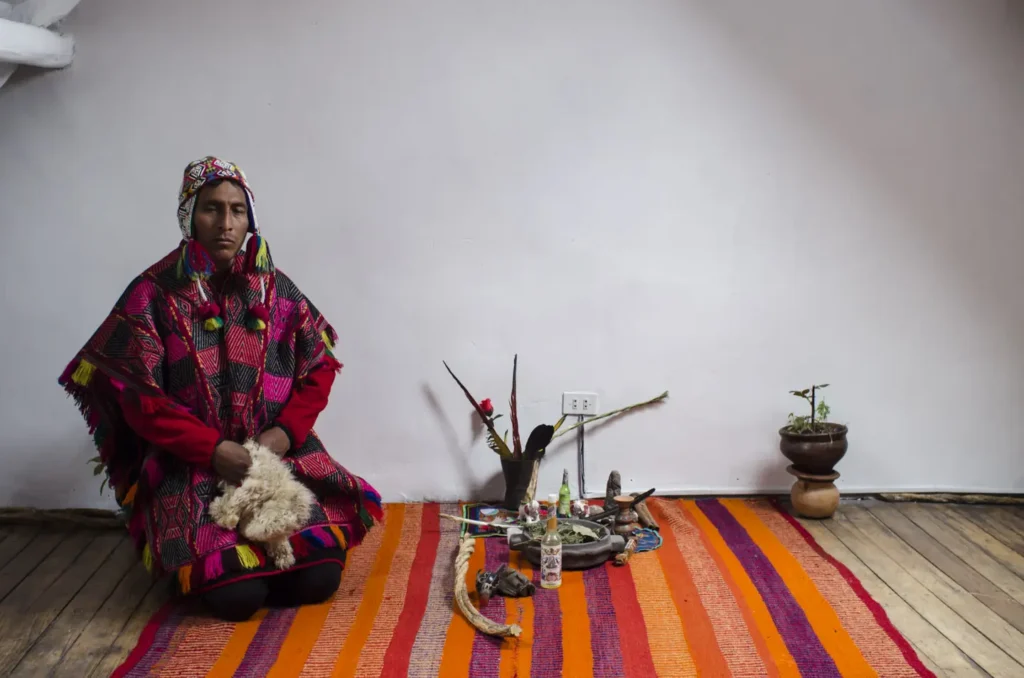
San Pedro Cactus: Botanical and Natural Characteristics
San Pedro is really large, columnar-type of cactus, growing a way up into the air (several meters). It lives in the Andes where it has adapted to really hot to really cold temperatures, direct sunlight, and very little rain. The strong, adaptable, cyclical, and sustainable qualities that San Pedro (Wachuma) has are often viewed as symbolic of the spiritual teachings of the medicine.
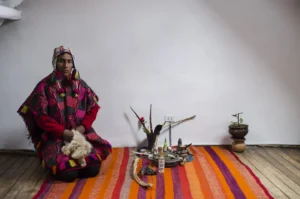
The ancestral way of collecting San Pedro is with a lot of respect and a specific intention or ceremony before any harvesting occurs. Only mature plants are harvested, and people would typically make Offerings to Pachamama (also referred to as Mother Earth) before actually preparing the plant for consumption. The relationship with this plant is considered part of the Andean cosmology, and is a complete contrast to the extractive and/or recreational attitudes toward the harvesting of the cactus.
Related articles:
What Does San Pedro Mean Spiritually?
Spiritually, San Pedro is regarded as a heart-opening medicine. While other plant medicines are known for intense visions or purging experiences, Wachuma works in a more gentle, expansive, and grounding way.
Participants often describe San Pedro as:
- Bringing clarity rather than confusion
- Softening emotional resistance
- Encouraging compassion, forgiveness, and self-love
- Strengthening the connection with nature and the Earth
Rather than taking the participant “away” from reality, Wachuma brings them deeper into the present moment.
Origins of San Pedro Wachuma: An Ancient Andean Medicine
Archaeological records show that San Pedro Wachuma ceremonies were at work a bare 3,000 to 4,000 years ago. Stone carvings from the Andean Chavín culture (circa 1200 BCE) show shamans with the cactus in ritual; however, it has long been central to their spiritual life.
Subsequent cultures such as the Moche, Nazca and Inca adapted the use of Wachuma in their healing and religious rites. To these civilizations, San Pedro served not just as a medicine — it was the bridge between the material and spiritual worlds.
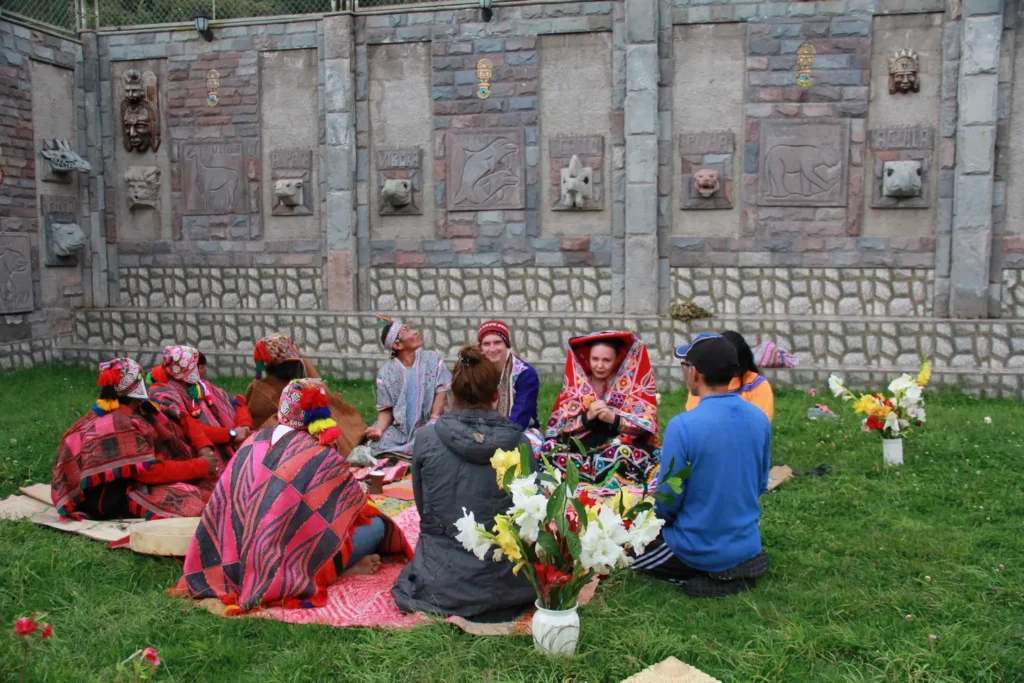
Wachuma San Pedro in Andean Shamanism
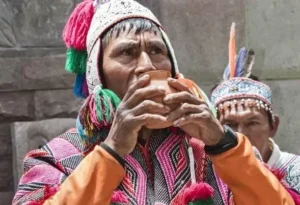
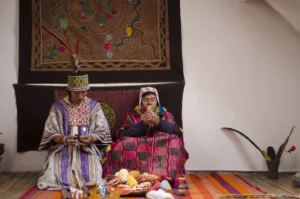
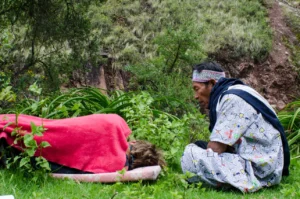
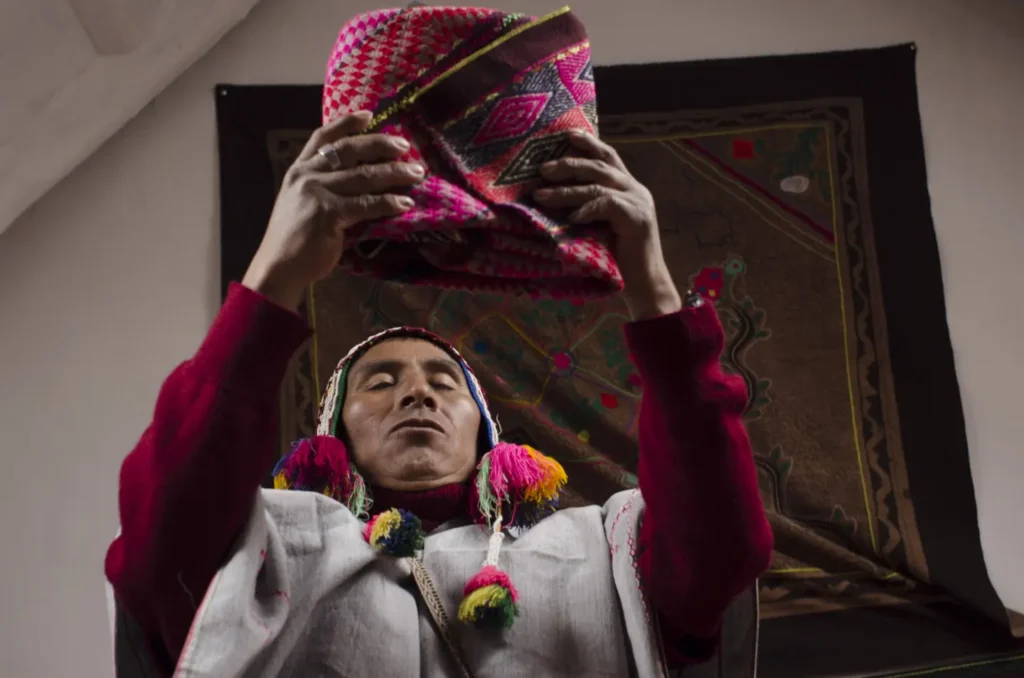
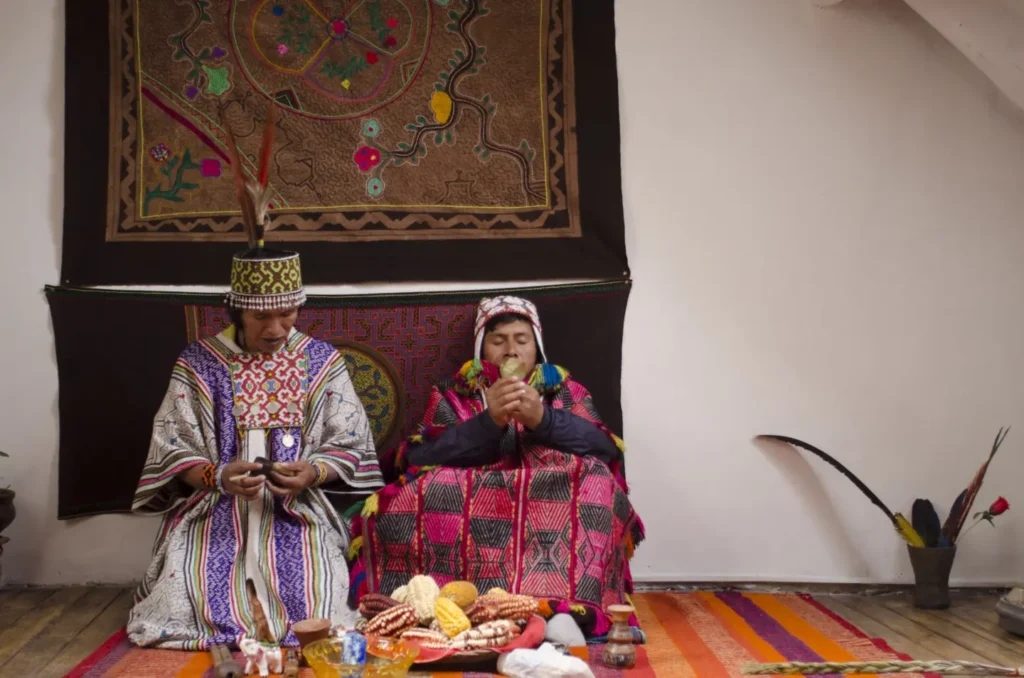
Paqos, curanderos, and healers utilize San Pedro in traditional Andean shamanism for diagnosing illness, eliminating energetic obstructions, and recreating balance within both individuals and communities.
Rather than controlling the medicine itself, the shaman serves as a guide and protector while holding the ceremonial space, calling forth the spirit of their ancestors, and maintaining balance during the participant’s journey.
Ceremonies often include:
- Sacred prayers and invocations
- Traditional Andean music
- Periods of silence and contemplation
- Direct interaction with nature
Why Is San Pedro Called “Wachuma”?
The name “San Pedro” emerged during the Spanish colonial period. Catholic missionaries associated the cactus with Saint Peter, the holder of the keys to heaven, symbolizing the plant’s ability to open spiritual doors.
While the name is Christian, the practice itself remains deeply Indigenous. Today, many ceremonies honor both traditions, reflecting the syncretic spiritual history of the Andes.
San Pedro vs Modern Psychedelics
Unlike modern psychedelic use, San Pedro ceremonies are:
- Conducted in daylight
- Rooted in community and tradition
- Focused on integration and balance
- Guided by experienced facilitators
The goal is not intensity, but alignment.
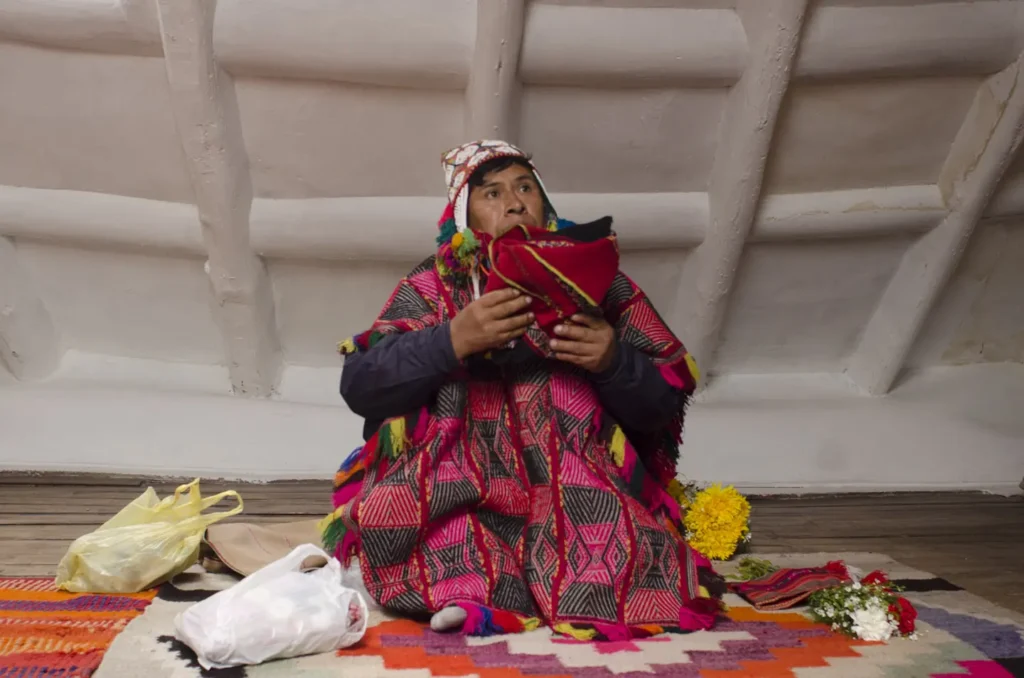
Spiritual Uses of San Pedro Today
Today, Wachuma is used for:
- Emotional healing and trauma release
- Spiritual growth and self-awareness
- Reconnecting with nature and purpose
- Gaining clarity during life transitions
Many people are drawn to San Pedro after feeling disconnected from themselves or modern life. The medicine offers a return to simplicity, truth, and inner peace.
San Pedro and Connection with Nature
San Pedro is unique in how it allows participants to strengthen their connection to the Earth and all living things, including mountains, rivers, plants, and animals, as they become aware of these things as conscious entities as opposed to man-made objects.
This reinforces the Andean worldview of seeing humanity not as separate from nature but rather as one with it.
Why San Pedro Is Experienced in Cusco
As one of earth’s strongest locations for San Pedro ceremonies, Cusco has divine mountains (Apus) and ancient temples to help you magnify your experience with its medicine. The land also participates in the ceremony and provides grounding, protection, and wisdom.
👉 Read More: San Pedro Ceremony in Cusco – Wachuma Healing Experience
Is San Pedro Safe?
When used responsibly and within a traditional ceremonial context, San Pedro is considered safe for most people. However, it is not suitable for everyone.
Reputable facilitators conduct screening processes and provide clear preparation guidelines to ensure safety and respect for the medicine.
San Pedro and the Path of the Heart
Many participants describe San Pedro as a medicine that teaches through love rather than force. Instead of confronting trauma aggressively, Wachuma gently reveals what needs attention and healing.
This makes it especially appealing for those seeking emotional balance, spiritual clarity, and reconnection with their inner truth.
Frequently Asked Questions About San Pedro (Wachuma)
Is San Pedro the same as Wachuma?
Yes. Wachuma is the Quechua name for San Pedro.
How long has San Pedro been used?
For at least 3,000 years in the Andes.
Is San Pedro legal in Peru?
Yes. It is recognized as part of Peru’s ancestral cultural heritage.
Is San Pedro stronger than Ayahuasca?
Not stronger—different. San Pedro is gentler and more grounding.
Conclusion: The Living Wisdom of Wachuma
San Pedro (Wachuma) is not just plant but a living tradition, teacher, and bridge to other worlds. Based upon ancient Andean wisdom, it still is providing healing and clarity and re-connection in this modern society that mostly feels quite disconnected. Wachuma, for those who walk its path, invokes not flight but presence—not illusion but truth.