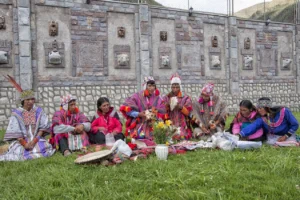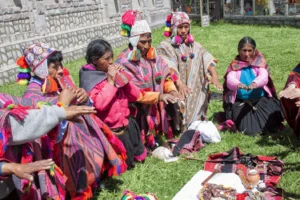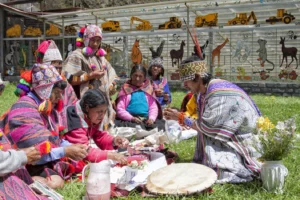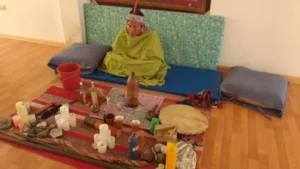
Long before retreat centers existed, long before Western researchers began publishing papers on neuroplasticity and DMT, Amazonian communities already knew what ayahuasca was for. They had known for centuries. The plant didn’t need a clinical trial to prove its value — it had already been woven into the fabric of their healing traditions, their ceremonies, their understanding of the world.
What is ayahuasca, then? At its most basic, it’s a brewed drink made from two plants found in the Amazon. But that description misses almost everything important about it. Ayahuasca is a medicine, a teacher, a ritual, and a cultural institution — and understanding it requires going beyond chemistry.
This guide covers the full picture: where ayahuasca comes from, what it’s made of, what actually happens during a ceremony, what science currently knows about its effects, and why Cusco has become one of the most significant places in the world to experience it.
Table of Contents
The Meaning of the Word Ayahuasca
The name comes from Quechua, the language of the Inca civilization. Aya means spirit or soul. Huasca means vine or rope. Together: the vine of the soul, or sometimes translated as the rope of the dead — not in a morbid sense, but as a reference to the belief that the medicine creates a bridge between the living world and the realm of ancestors and spirit.
That etymology tells you something important. This isn’t a plant that was consumed for pleasure or curiosity. It was used to travel — to navigate states of consciousness that ordinary life doesn’t grant access to, guided by someone who had spent years learning how to work within those spaces safely.
The name ayahuasca technically refers to the vine itself (Banisteriopsis caapi), but in common usage it refers to the prepared brew — the finished medicine that combines the vine with another plant to produce its characteristic effects.
What is Ayahuasca Made Of?
Ayahuasca requires two plants, and their combination is not accidental. The synergy between them is what makes the brew work — neither plant alone produces the same effect.
Banisteriopsis caapi is the vine. It contains a group of compounds called beta-carbolines — primarily harmine, harmaline, and tetrahydroharmine — which act as MAO inhibitors (MAOIs). These compounds temporarily block the enzymes in the digestive system that would otherwise break down the second plant’s active molecule before it could reach the brain.
Psychotria viridis (chacruna) provides the leaves. These contain DMT (N,N-Dimethyltryptamine), a naturally occurring compound that produces the visionary and altered states associated with the ceremony. Without the vine’s MAOIs, DMT taken orally would be inactive. Together, the two plants create something neither could do alone.
The brew is prepared by experienced healers over many hours — sometimes days — through a process of boiling, reducing, and combining the plants. The quality of the medicine depends heavily on the preparation, the intention of the healer, and the plants themselves. Ceremonial ayahuasca is not purchased ready-made; it is crafted.
Some healers use additional admixture plants depending on the healing tradition and the specific needs of participants. The Shipibo tradition of the Peruvian Amazon, for example, works extensively with master plants that can be combined with ayahuasca for particular therapeutic purposes.
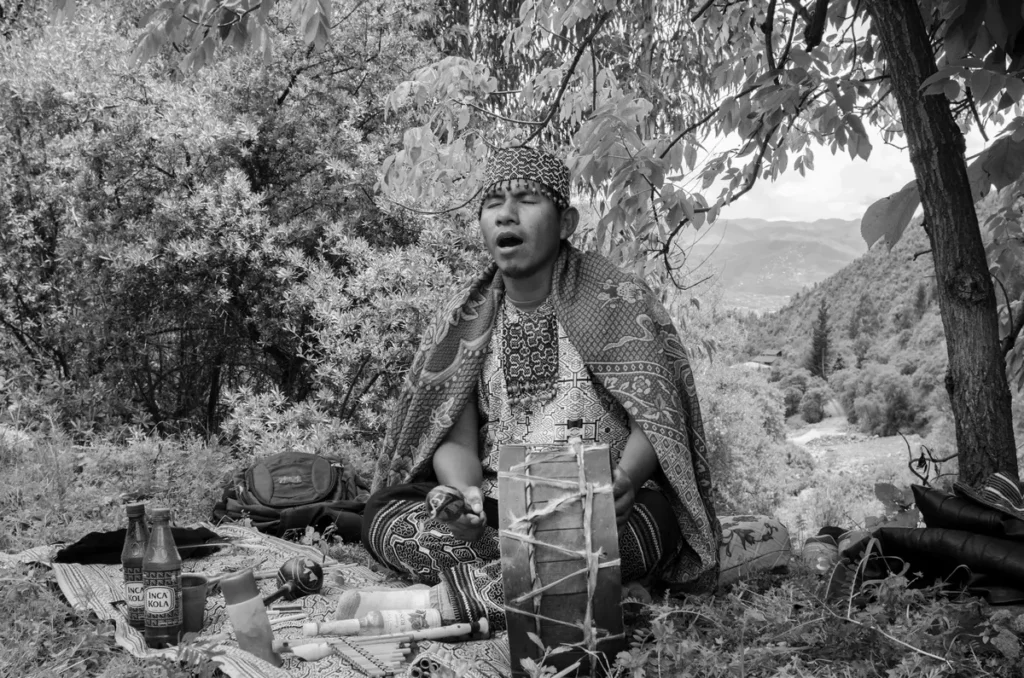
Ayahuasca Cusco Peru
Origins: Where Did Ayahuasca Come From?
The earliest confirmed archaeological evidence of ayahuasca use dates back approximately 1,000 years, found in ritual bundles at sites in present-day Bolivia. But oral traditions throughout the Amazon suggest its use is considerably older — connected to the deepest layers of Amazonian cosmology.
The practice spread across many Indigenous groups throughout what is now Peru, Colombia, Ecuador, and Brazil, each developing their own relationship with the medicine within their own cultural frameworks. The Shipibo-Conibo people of the Peruvian Amazon are among the most well-known practitioners, with a healing tradition built around the medicine and the healing songs — icaros — that guide the ceremony.
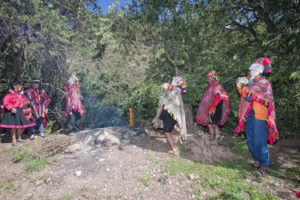
What’s often overlooked outside of Peru is the Andean dimension of this history. When the Inca Empire expanded its reach across South America, it absorbed and integrated the knowledge of many peoples, including those of the Amazon. By the time Cusco emerged as the spiritual and political center of the Inca world, ayahuasca had found its way into Andean ceremonial practice — associated with the Apus (mountain spirits), with Pachamama (Mother Earth), and with the sacred sites that still draw seekers to this region today.
This is why Cusco occupies a unique position. It isn’t just a logistically convenient place to do a ceremony. It sits at the intersection of two great healing traditions: the Amazonian and the Andean. That convergence makes the experience in this region genuinely distinct from what you’d find in a jungle lodge near Iquitos.
What is Ayahuasca For? Traditional and Modern Uses
In Indigenous Amazonian healing systems, ayahuasca serves several distinct purposes, and it’s worth understanding them separately rather than collapsing them into a single category.
Diagnosis and healing. Healers use ayahuasca to identify the source of illness — physical, emotional, or spiritual — in their patients. From this perspective, illness is understood as a disruption of harmony, and the medicine helps both the healer and the patient see where that disruption originates.
Communication with the spirit world. Ceremonial contexts often involve contact with spirits, ancestors, or plant beings understood to carry wisdom and healing. The healer acts as an intermediary, and the icaros (ceremonial songs) are the primary tool through which this communication is guided and held safely.
Initiation and rites of passage. In some traditions, ayahuasca is a central element of coming-of-age ceremonies or apprenticeship into healing. Becoming a curandero requires years of dieta (dietary and social restriction) and repeated ceremonial work with the medicine.
Personal transformation. This is the lens through which most contemporary seekers approach ayahuasca. People arrive with depression, trauma, addiction, grief, existential uncertainty — and they are looking for a way through. This use is not traditional in the strictest sense, but it is not incongruous with the medicine’s history either. Healing has always been its purpose.
What Happens During an Ayahuasca Ceremony?
The ceremony typically takes place at night, in a ceremonial space called a maloca. The darkness is intentional — it removes visual distractions and allows attention to turn inward.
Participants are given the brew by the shaman, usually a single cup to begin with. More may be offered during the night depending on how the experience unfolds for each individual. The onset typically takes between 20 and 45 minutes, though this varies considerably by person.
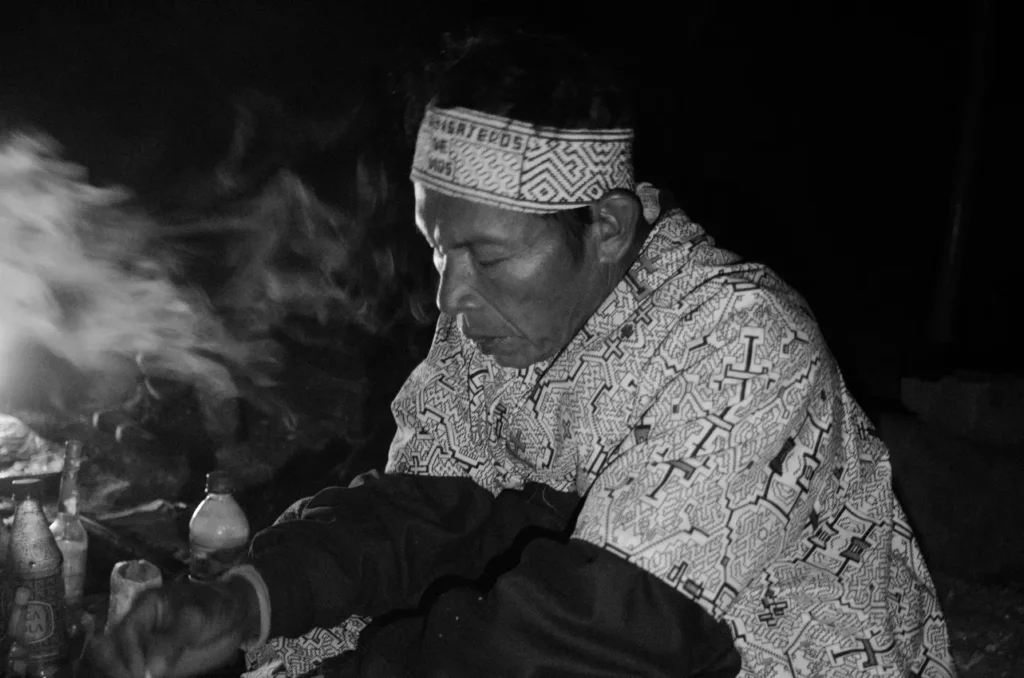
Throughout the ceremony, the shaman sings icaros — healing songs that are not decorative but functional. These songs are the primary tool through which the healer navigates the ceremony, calls in protective energies, opens and closes spaces, and works directly with each participant’s energy. A skilled healer may shift the direction of an experience through their icaros alone.
The ceremony lasts between four and six hours. Participants are encouraged to stay lying down, wear an eye mask, and remain present with whatever arises rather than resist it. Facilitators — in well-run retreats — are present throughout to provide physical support, reassurance, and guidance when needed.
What follows afterward is as important as the ceremony itself. Integration — the process of making sense of what was experienced and translating it into change in daily life — is where most of the lasting work happens.
The Role of the Shaman (Maestro Ayahuasquero)
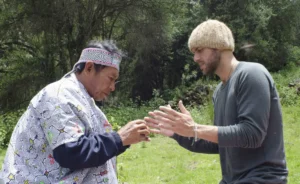
The shaman is not a guide in the tourist sense. The role is closer to a skilled surgeon who operates within a non-physical dimension — someone who has spent years, often decades, training to work within expanded states of consciousness, understand the language of the medicine, and protect participants from what can genuinely be overwhelming experiences.
Becoming a legitimate ayahuasquero requires long periods of dietary restriction and isolation (dieta), direct training under a master healer, and accumulated experience with the medicine over many years. It is not something that can be learned in a weekend workshop.
This matters because the quality of a ceremony depends enormously on the healer. The same brew, in the hands of an experienced curandero versus someone with limited training, produces very different experiences — not because of the chemistry, but because of the ceremonial container, the icaros, and the healer’s capacity to navigate what arises.
When evaluating any retreat center, asking about the background and training of the shamans is not a bureaucratic concern. It is a meaningful safety consideration.
What Does Ayahuasca Feel Like? The Real Effects
There is no single ayahuasca experience. The effects vary considerably between individuals, between ceremonies, and even between different cups taken from the same brew. That said, there are patterns worth understanding.
Physical effects often begin as nausea, which may or may not lead to vomiting. This physical purging — referred to in tradition as la purga — is not considered a side effect to be avoided. It is regarded as a form of energetic cleansing, a release of something that needed to leave. Not everyone purges, and its absence doesn’t indicate the medicine isn’t working.
Perceptual effects include visual phenomena with eyes closed — geometric patterns, symbolic images, encounters with what participants describe as entities or presences. Some people experience these visions intensely; others have an inward experience that is more emotional or cognitive than visual. The distinction between these types of experience doesn’t reflect a more or less “successful” ceremony.
Emotional effects are often the most significant. Fear, grief, love, awe, and profound gratitude are all common. Some participants encounter difficult material — buried memories, suppressed emotions, fears they hadn’t fully acknowledged. This is often where the actual healing work occurs, and it can be uncomfortable. Experienced facilitators and a well-held ceremonial space make this process safer and more navigable.
Duration is typically four to six hours for the primary experience, though some people feel lingering effects — altered perception of time, heightened emotional sensitivity — into the following day.
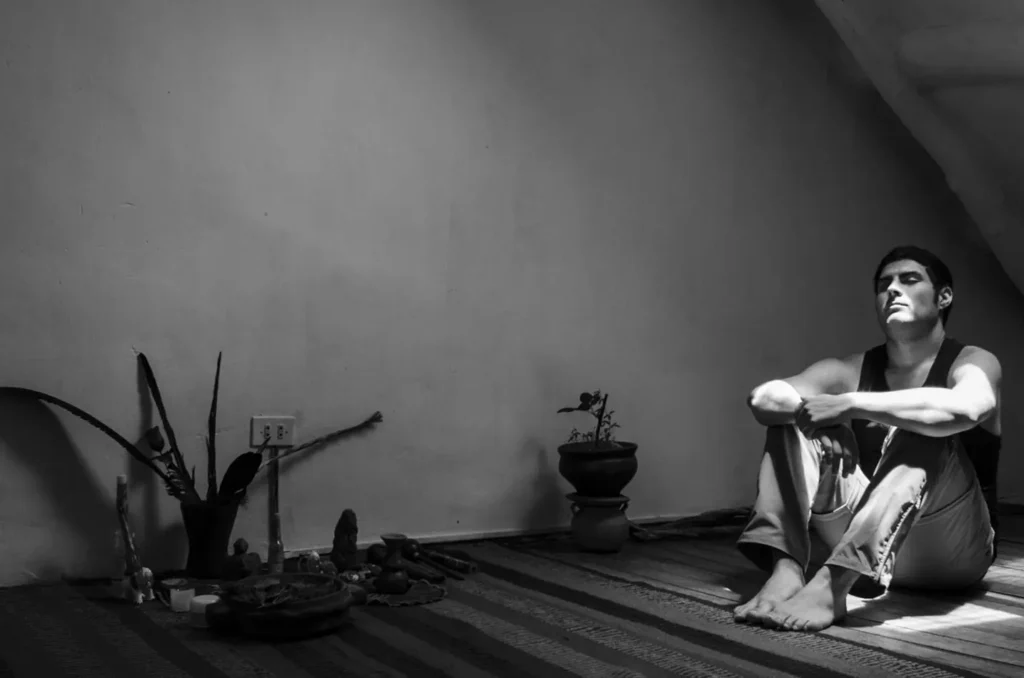
Healing center for Ayahuasca retreat in Cusco – Centro de sanación para retiro ayahuasca Cusco
What Can Ayahuasca Help With? Science and Tradition
The research landscape around ayahuasca has changed significantly in recent years. What was once discussed only in ethnobotany circles is now the subject of clinical studies at institutions including Johns Hopkins, Imperial College London, and the University of São Paulo.
A longitudinal study published in Frontiers in Psychiatry in early 2026, involving 280 adults with depressive disorders, anxiety, and substance use conditions, found significant reductions in depressive symptoms after ayahuasca intervention — improvements that remained measurable at the 180-day follow-up mark. Research published in Scientific Reports by the University of Barcelona found that over 80% of participants who met diagnostic criteria for psychiatric disorders showed measurable clinical improvement six months after their first ayahuasca experience.
Imperial College London has published findings on DMT — the primary psychoactive compound in ayahuasca — showing significant antidepressant effects in participants with moderate-to-severe depression. The researchers noted the results hold “great promise,” while appropriately flagging that larger trials are still needed.
What science is establishing, slowly and carefully, aligns with what traditional healers have maintained for centuries: that this medicine has real potential for depression, anxiety, trauma, and addiction. The mechanisms being proposed — neuroplasticity, reduced default mode network activity, enhanced emotional processing — are the Western language for something that indigenous traditions addressed through a different framework.
That said, it’s important to be honest about what ayahuasca is not. It is not a cure. It is not appropriate for everyone. It does not replace professional psychological or psychiatric care. The research consistently shows that its benefits are most durable when combined with integration support — the work of making sense of the experience in the weeks and months that follow.
Who Should Not Take Ayahuasca
This section matters more than many retreat centers make clear, and honesty here is a form of respect.
Ayahuasca is contraindicated for people taking SSRIs, MAOIs, or other antidepressant medications. The interaction between pharmaceutical MAOIs and the beta-carbolines in ayahuasca can be life-threatening (serotonin syndrome). People on antidepressants who wish to participate in a ceremony need to taper off under medical supervision — a process that takes weeks, not days — before it is safe to proceed.
People with a personal or family history of schizophrenia, bipolar disorder with psychotic features, or other psychotic conditions should not take ayahuasca. The compound can amplify or trigger psychotic episodes in vulnerable individuals.
Cardiovascular conditions, liver disease, and pregnancy are also contraindications. Anyone with a significant medical history should consult their physician before considering participation.
Legitimate retreat centers will ask detailed health questions before accepting participants. If a center does not screen participants, that is a serious warning sign.
Ayahuasca in Cusco: The Andean Dimension
Most of the published writing on ayahuasca focuses on the Amazon — the jungle setting, the Shipibo tradition, the maloca in the trees. That’s part of the story. But Cusco offers something the Amazon cannot.
At 3,400 meters above sea level, Cusco sits in the heart of Inca territory. The Apus — sacred mountains that surround the city — are not backdrop. They are presences, understood by Andean cosmology to be living spiritual entities. The Sacred Valley below Cusco has been a site of ceremonial and agricultural activity for over two thousand years. Pisac, Ollantaytambo, Moray — these places carry an energetic weight that participants consistently describe as palpable.
A ceremony in Cusco draws from both Amazonian and Andean traditions simultaneously. The icaros sung by the shaman may blend Shipibo medicine songs with Andean elements — coca leaf offerings to Pachamama, the presence of the Apus as witnesses to the work. This dual lineage creates an experience that is genuinely different from what happens in a jungle retreat near Iquitos.
For those who are also planning to visit Machu Picchu or other Inca sites during their trip to Peru, there is a natural coherence to combining that cultural experience with a ceremony in Cusco. The medicine and the sacred geography of this region speak the same language.
Is Ayahuasca Legal in Peru?
Yes. Peru recognized ayahuasca as part of the country’s national cultural heritage in 2008. Its ceremonial use is legally protected, and no participants in traditional ceremonies face legal consequences for its use.
This protection reflects ayahuasca’s deep cultural roots in Peruvian territory. Unlike many countries where the presence of DMT makes the brew technically illegal regardless of context, Peru treats the ceremonial use of ayahuasca as what it is: a cultural and spiritual practice with centuries of history.
That said, legal protection does not mean unregulated. The quality and safety of a ceremony depends entirely on the center and the healers. Legal status is not a substitute for proper screening, experienced shamans, and genuine integration support.
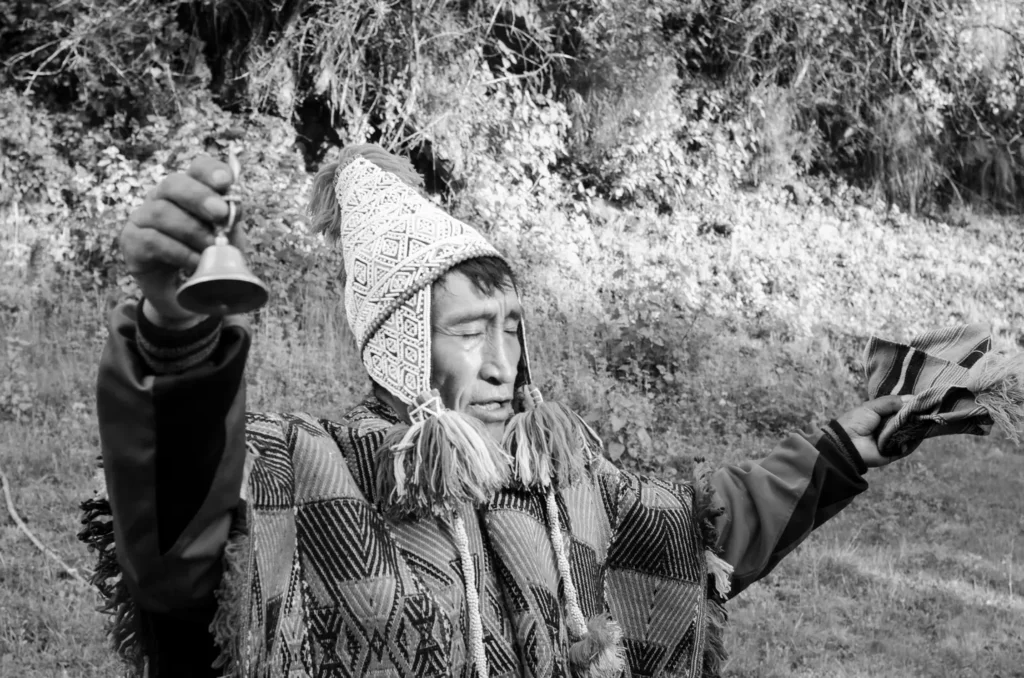
Shipibo shaman guiding ayahuasca retreat in Peru – Chamán shipibo ceremonia ayahuasca Perú
How to Prepare for an Ayahuasca Ceremony
Preparation matters. The dieta — the period of dietary and behavioral restriction before a ceremony — is not arbitrary. It is part of the ceremonial container, a way of clearing the body and mind to create optimal conditions for the medicine to work.
In practical terms, the standard preparation involves avoiding red meat, pork, alcohol, recreational drugs, fermented foods, aged cheeses, and processed foods for at least three days before the ceremony. Some traditions recommend longer periods. Sexual abstinence is also part of many preparatory protocols. Certain medications — particularly antidepressants and SSRIs — require a much longer preparation process (and medical supervision for tapering).
Psychologically, coming with a clear intention is valuable. Not a rigid expectation of what will happen, but an honest sense of what you’re hoping to address or understand. The medicine tends to work with what participants bring to it.
Frequently Asked Questions
What is the difference between ayahuasca and DMT?
DMT (N,N-Dimethyltryptamine) is one of the active compounds found in ayahuasca, contributed by the chacruna plant. Ayahuasca is the complete brew — a combination of DMT-containing leaves and the Banisteriopsis caapi vine, which allows the DMT to become orally active. Pure DMT, when smoked or vaporized, produces a very short and intense experience. Ayahuasca, consumed in ceremony, produces a much longer, more gradual, and more complex experience — shaped by both the chemistry and the ceremonial context.
How many ceremonies should a first-time participant attend?
Most experienced practitioners recommend at least two ceremonies for a first retreat. One ceremony often involves the body and mind simply adjusting to the experience. The second frequently goes deeper and allows for more intentional inner work. A 3- or 5-day retreat is considered more complete than a single-night experience, though the right choice depends on individual circumstances and available time.
Can ayahuasca be combined with Machu Picchu and tourism in Peru?
Yes, and many participants find the combination meaningful. Cusco’s location makes it an ideal base for both. A ceremony typically requires one full day of rest before the experience and one day of recovery afterward, so it’s worth planning accordingly. It’s not recommended to combine a ceremony with high-altitude trekking in the immediate days following.
Is vomiting during a ceremony guaranteed?
No. Roughly 70% of participants experience some form of purging during a ceremony, but for others the experience is primarily internal — emotional, cognitive, or visual. Both are valid. Purging, when it occurs, is considered part of the cleansing process.
What happens after a ceremony? How long does the integration process take?
Integration — the process of grounding and making sense of the ceremonial experience — is an ongoing process that can take weeks or months. Participants often notice shifts in perspective, emotional sensitivity, or changed patterns of thought in the days and weeks following. Working with a therapist familiar with psychedelic experiences, journaling, time in nature, and regular check-ins with retreat facilitators are all part of a well-supported integration process.
Is ayahuasca right for me?
That’s a question only you can answer — ideally after speaking with experienced practitioners and your own physician. What we can say is that the right conditions include physical and psychological preparedness, a clear and honest intention, a legitimate and experienced ceremonial team, and a realistic understanding of what this medicine is and isn’t. We offer a personal consultation before any retreat to help assess whether this is the right path, and when.
Considering an ayahuasca retreat in Cusco or the Sacred Valley? Our programs range from a 1-day ceremony to a 7-day immersion, each guided by experienced shamans with deep roots in both Amazonian and Andean traditions. Contact us to discuss which program is suited to your intentions.