Ayahuasca Retreat
in Peru
Authentic Healing in the Sacred Lands
Discover the transformative power of an Ayahuasca Retreat in Peru, where Amazonian plant medicine meets the sacred energy of the Andes. Guided by experienced shamans, our retreats offer a safe and profound journey of healing, self-discovery, and spiritual awakening in the heart of nature.
A retreat in Peru rarely means just one ceremony. Most people who search for this arrive with ayahuasca in mind and leave having also sat through a San Pedro afternoon in the mountains, or an offering to Pachamama they hadn’t planned on but ended up thinking about for weeks afterward. That’s not an accident of scheduling — it’s how ceremonial work has always been done in this part of the Andes, where Amazonian plant medicine and Quechua ritual tradition sit side by side rather than in separate categories.
Our Ayahuasca
Retreats
Find Your Path: Our Most Popular Ayahuasca Retreats
Ready to take the first step? Explore our curated programs designed for different levels of depth and intention.
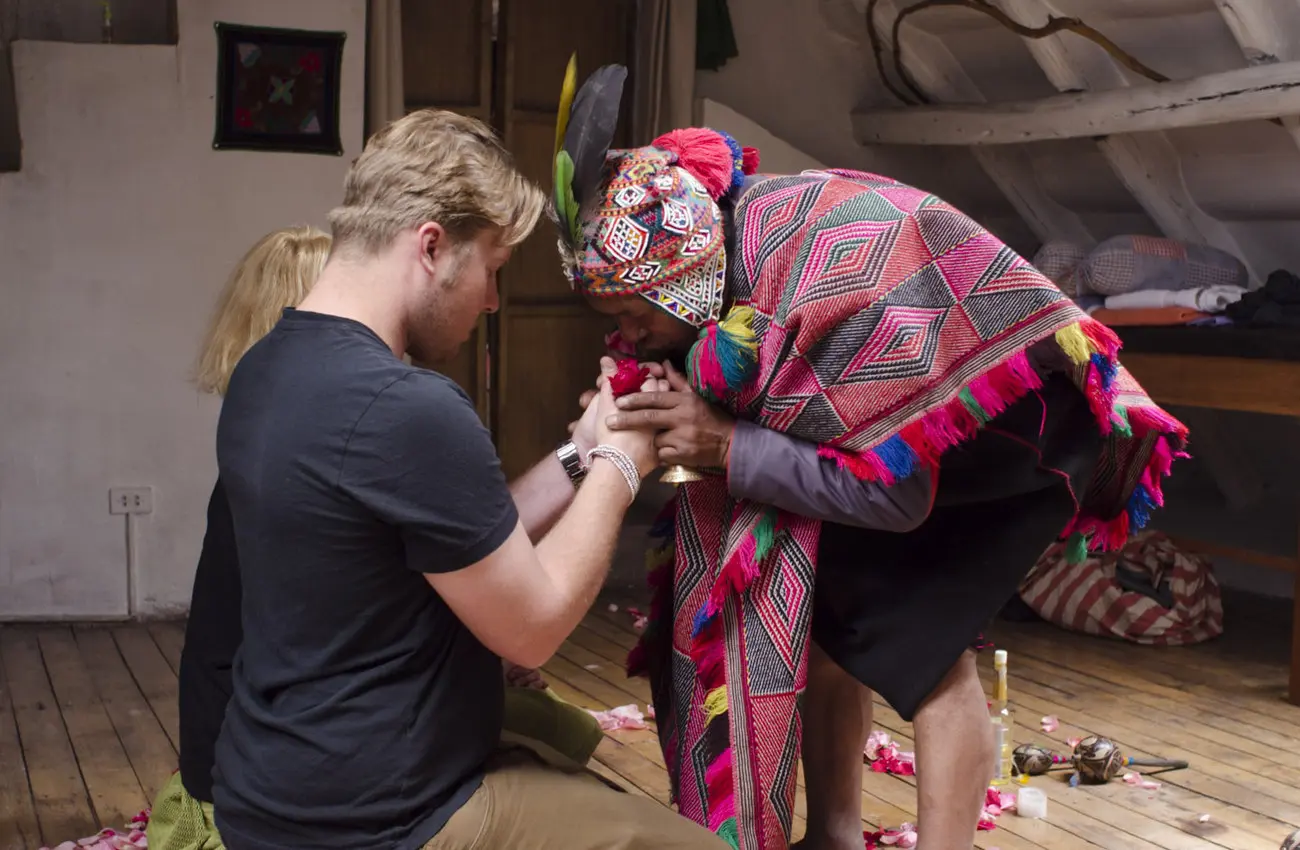
1 Day Ayahuasca Retreat
Take a deep dive in a single day. Our 1-day Ayahuasca retreat in Cusco, Peru is perfect for travelers who want to take part in a safe and authentic ceremony facilitated by experienced shamans.
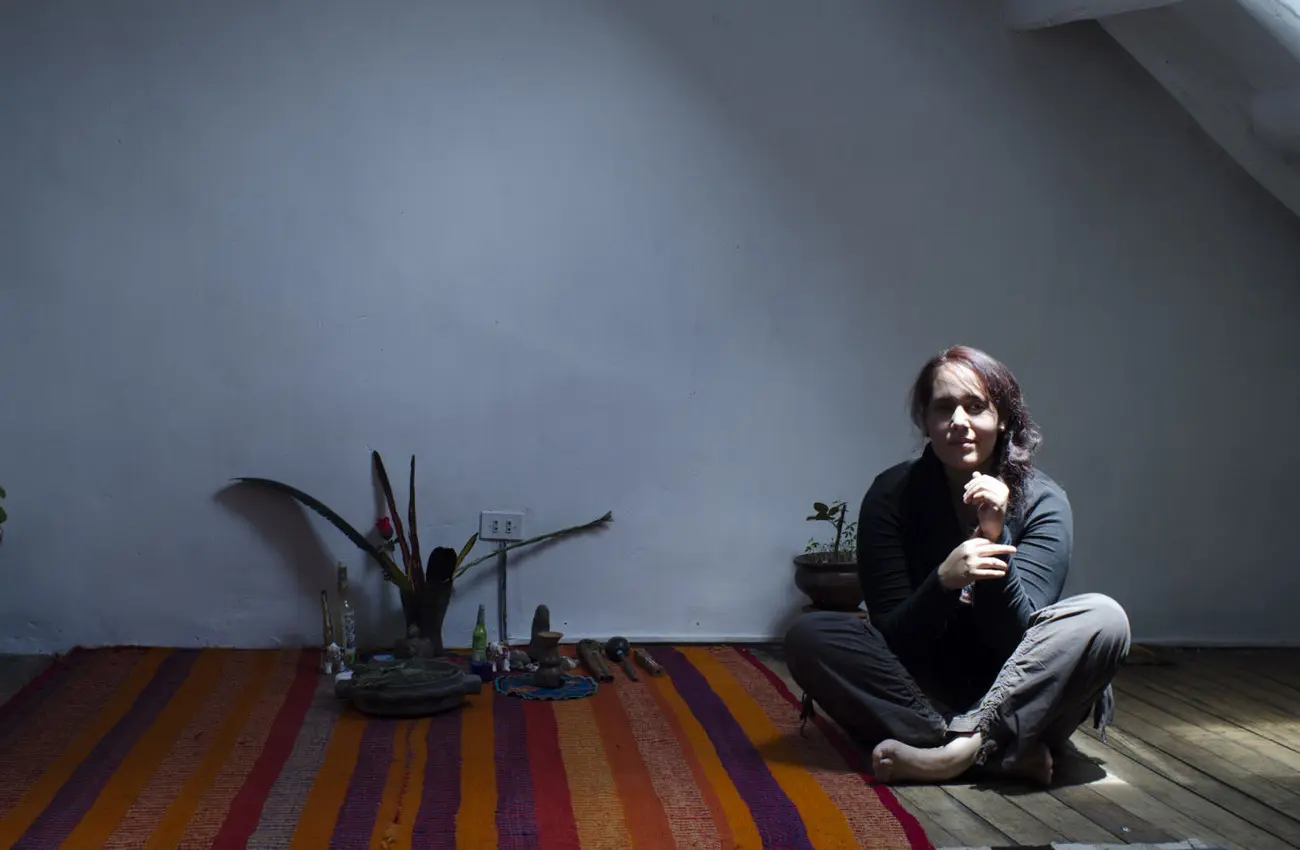
2 Days Ayahuasca Retreat
Dive deeper into the healing power of the plant medicine with our 2-day Ayahuasca retreat in Peru. This program includes two ceremonies, preparation, and integration, giving you the space to release emotional blockages, gain insights, and begin your path of spiritual renewal.
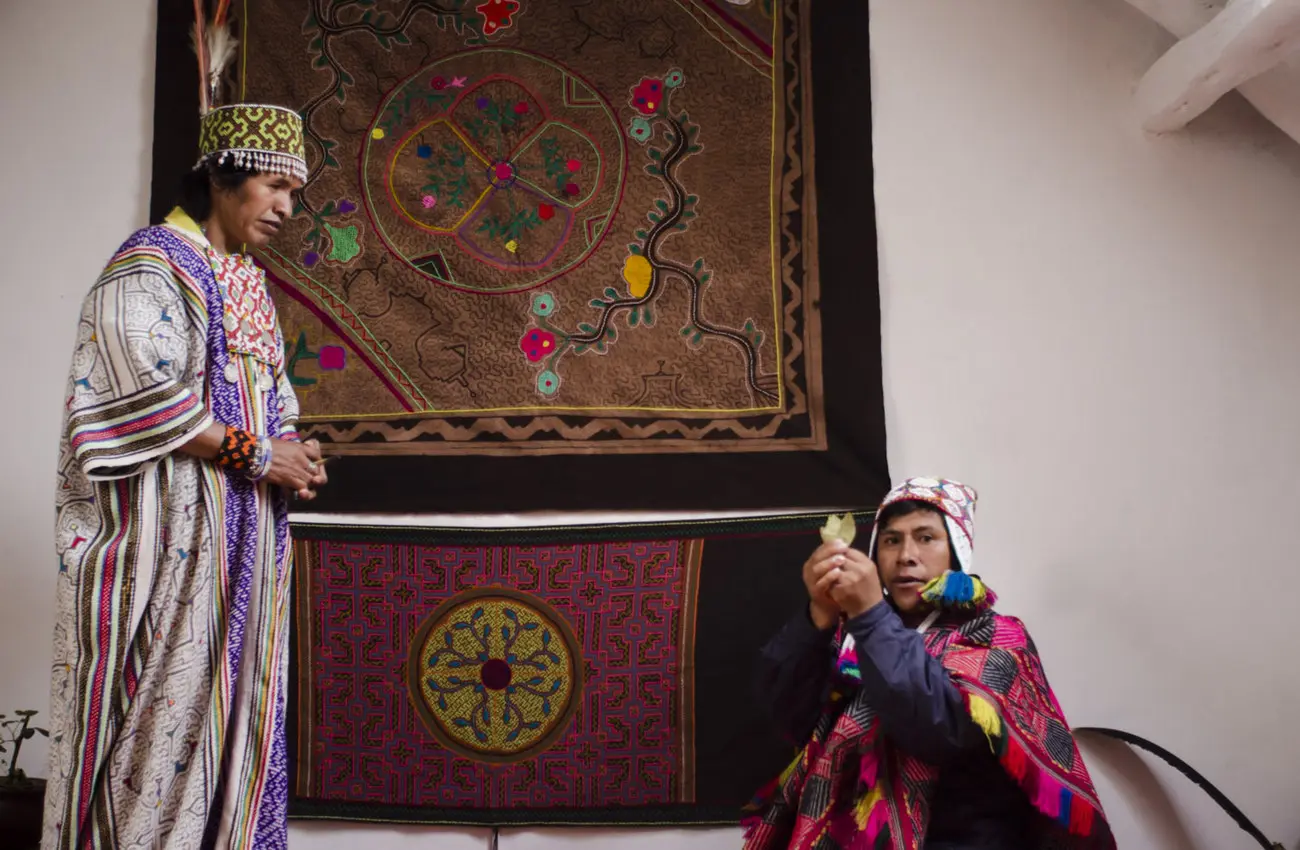
3 Days Ayahuasca Retreat
Our 3-day Ayahuasca retreat in Peru combines sacred ceremonies with personalized guidance and support. With three days of healing, you will experience a safe and transformative journey, blending Amazonian tradition and Andean spirituality for a powerful inner awakening.
San Pedro (Wachuma): The Andean Daytime Medicine
Where ayahuasca is a jungle tradition adapted into ceremonial use, San Pedro belongs to the mountains themselves. Wachuma is a cactus — Trichocereus pachanoi — that Andean healers have worked with for thousands of years, well before Ayahuasca-focused tourism existed in the region at all. The ceremony takes place during the day, often outdoors, and moves at a slower, more gradual pace than an ayahuasca night. Participants describe it less as confrontation and more as a widening: a longer, gentler unfolding that opens attention toward the natural surroundings rather than pulling focus inward.
That doesn’t make it a lighter experience in every sense — Wachuma still requires the same honesty during screening, the same dietary preparation, the same respect for the medicine. What it changes is the register. Someone doing a San Pedro ceremony in the Sacred Valley is often standing, walking, sitting outside for hours with a view of the Apus (sacred mountains) rather than lying in a dark room through the night.
Many retreats combine ayahuasca and San Pedro across a multi-day program specifically because they don’t overlap. A retreat that includes both usually places San Pedro earlier — as an opening, a way of settling into the landscape and the group — and ayahuasca later, once there’s more context and trust built between participants and facilitators.
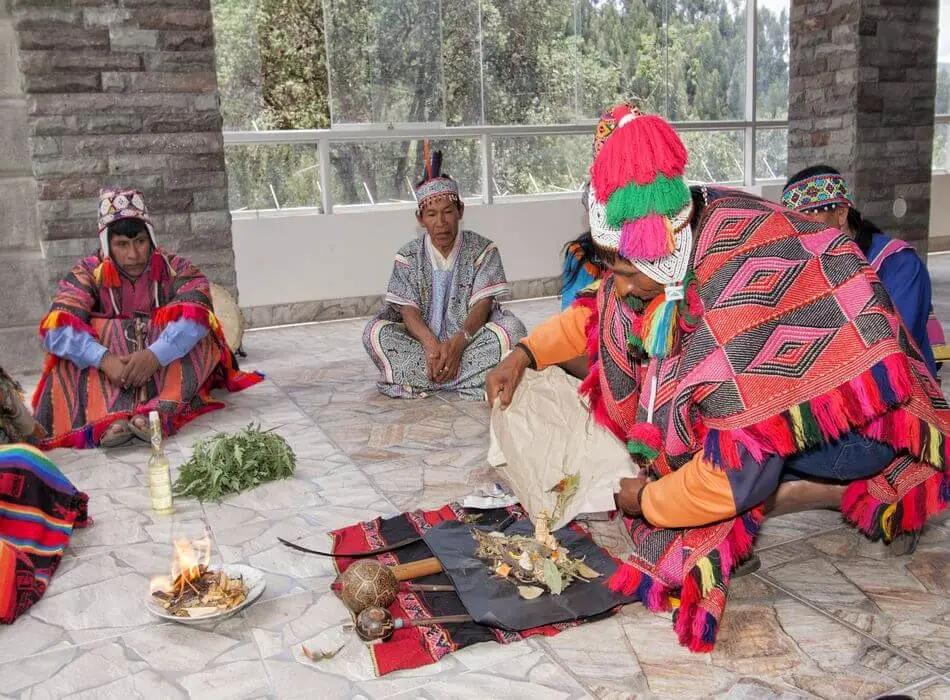
1-Day San Pedro Ceremony
A single day is enough to sit with San Pedro in the way the Andes have always intended: outdoors, under open sky, with a master who has spent decades holding this kind of space.
The Ancestral Andean Ceremonies
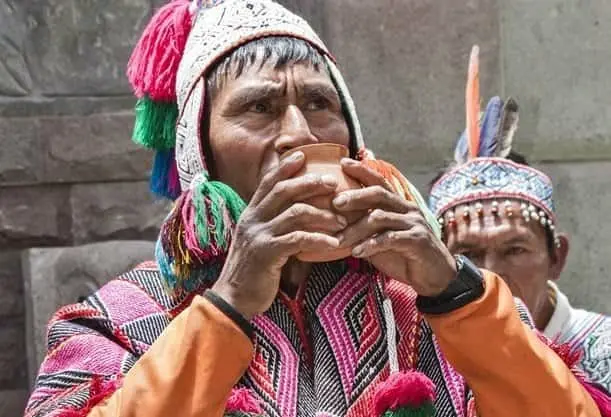
This is the part of a Peru retreat that rarely gets its own explanation anywhere, even though it’s often what shapes the emotional arc of the week as much as the plant medicine does. These come from Quechua and broader Andean cosmology, predate any tourism industry by centuries, and are usually woven around the main ceremonies rather than presented as a separate program.
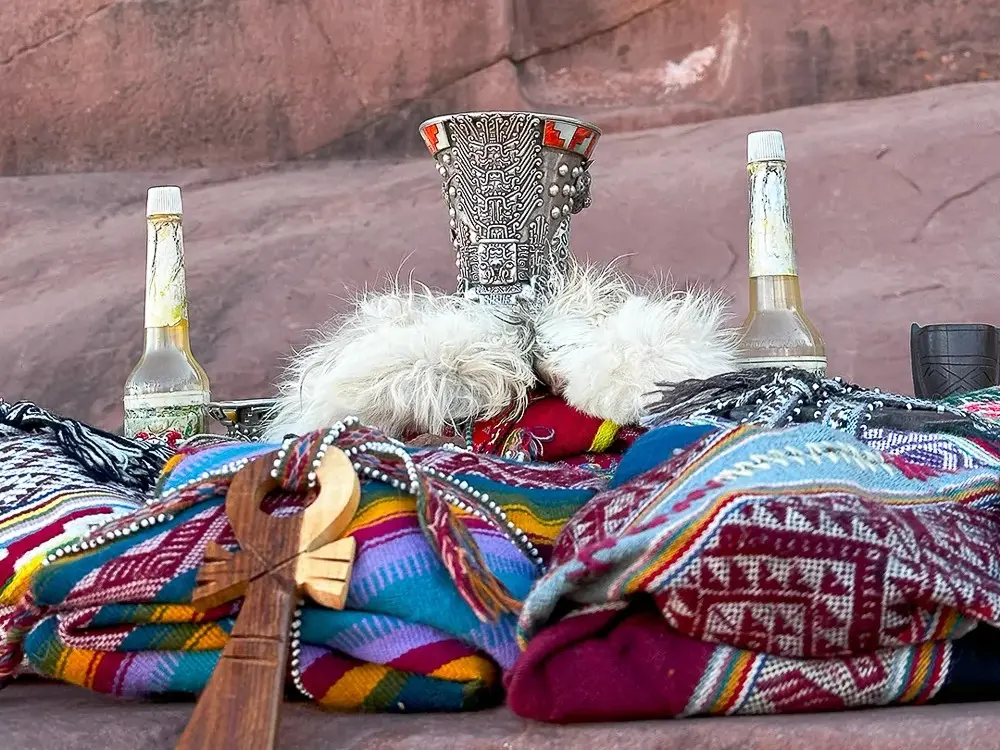
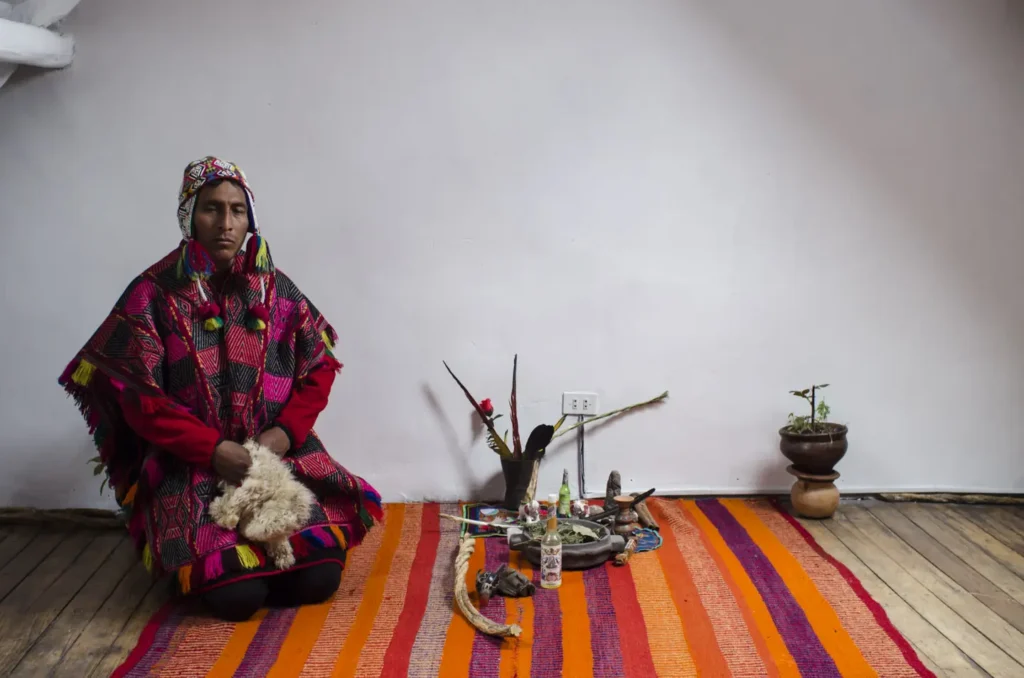
The offering to Pachamama — Mother Earth, in Quechua cosmology — is one of the oldest and most central rituals in Andean spiritual life, known traditionally as ayni, or reciprocal offering. The logic behind it is straightforward even if the practice is elaborate: Pachamama provides everything — protection, nourishment, the ground a person stands on — and the offering is how that’s acknowledged rather than simply taken for granted.
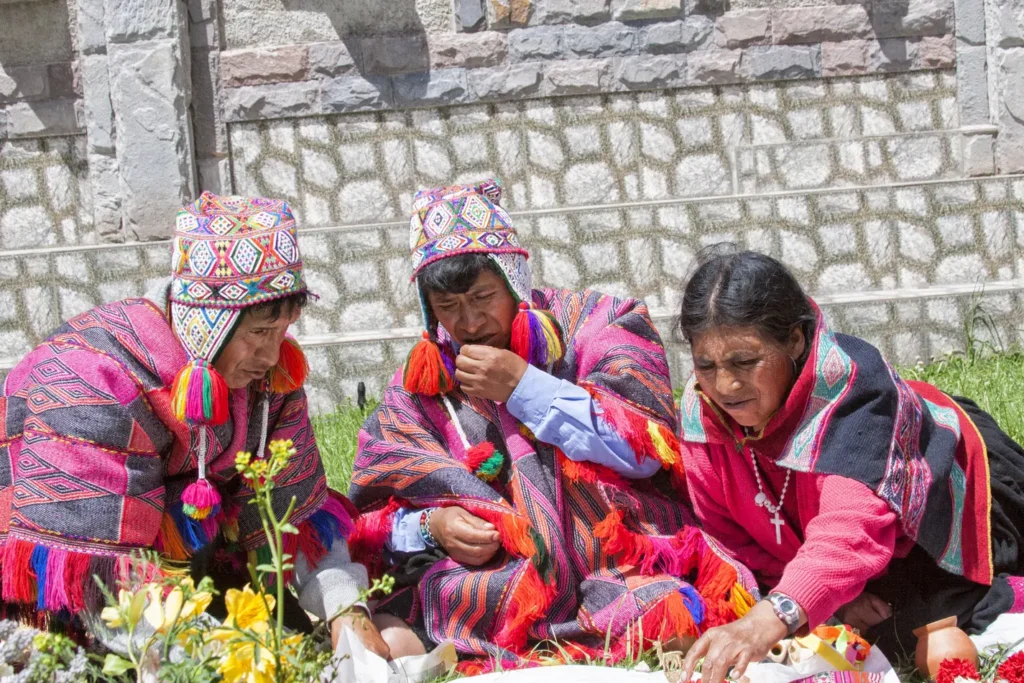
Before any of the plant medicine ceremonies begin, many retreats open with a coca leaf reading — an ancestral Andean divination practice used to assess a person’s psychological and energetic state at the start of the process. It functions less like a fortune-telling exercise and more like a diagnostic conversation: the shaman reads the pattern the leaves fall into and uses it to understand what a participant is carrying into the retreat, which then shapes how the rest of the week is guided.
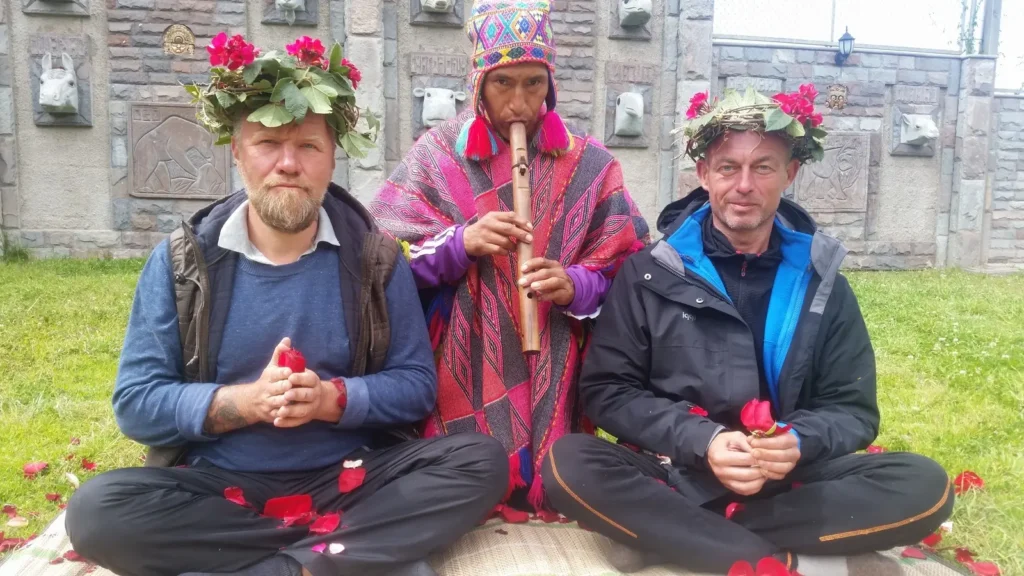
Before any of the plant medicine ceremonies begin, many retreats open with a coca leaf reading — an ancestral Andean divination practice used to assess a person’s psychological and energetic state at the start of the process. It functions less like a fortune-telling exercise and more like a diagnostic conversation: the shaman reads the pattern the leaves fall into and uses it to understand what a participant is carrying into the retreat, which then shapes how the rest of the week is guided.
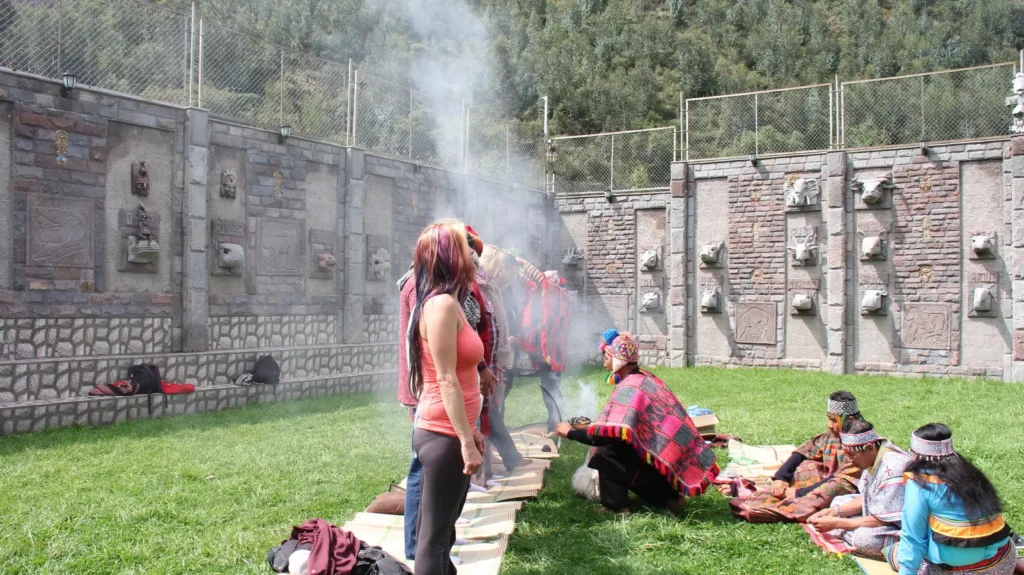
Before any of the plant medicine ceremonies begin, many retreats open with a coca leaf reading — an ancestral Andean divination practice used to assess a person’s psychological and energetic state at the start of the process. It functions less like a fortune-telling exercise and more like a diagnostic conversation: the shaman reads the pattern the leaves fall into and uses it to understand what a participant is carrying into the retreat, which then shapes how the rest of the week is guided.
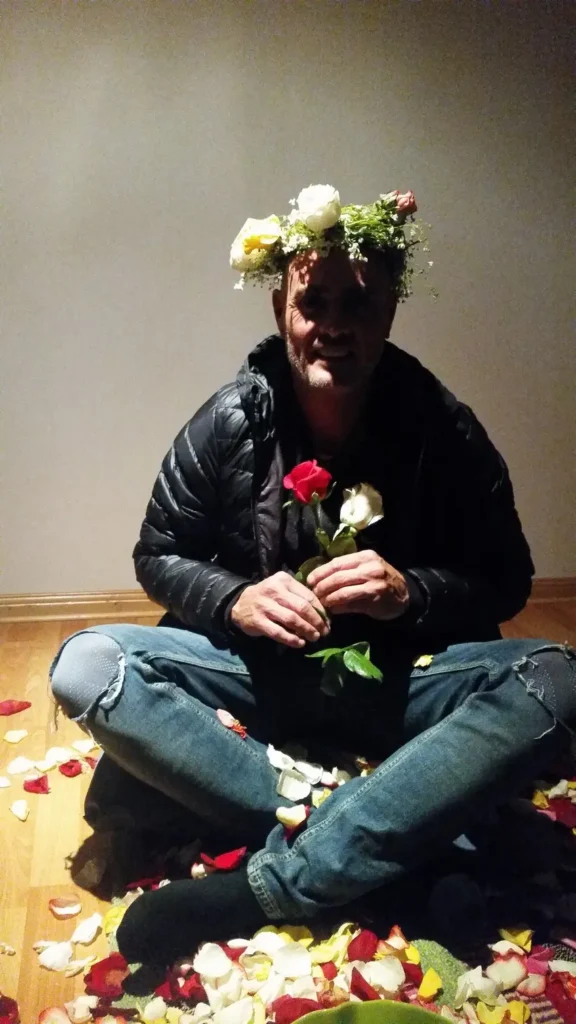
Ayahuasca: The Amazonian Night Tradition
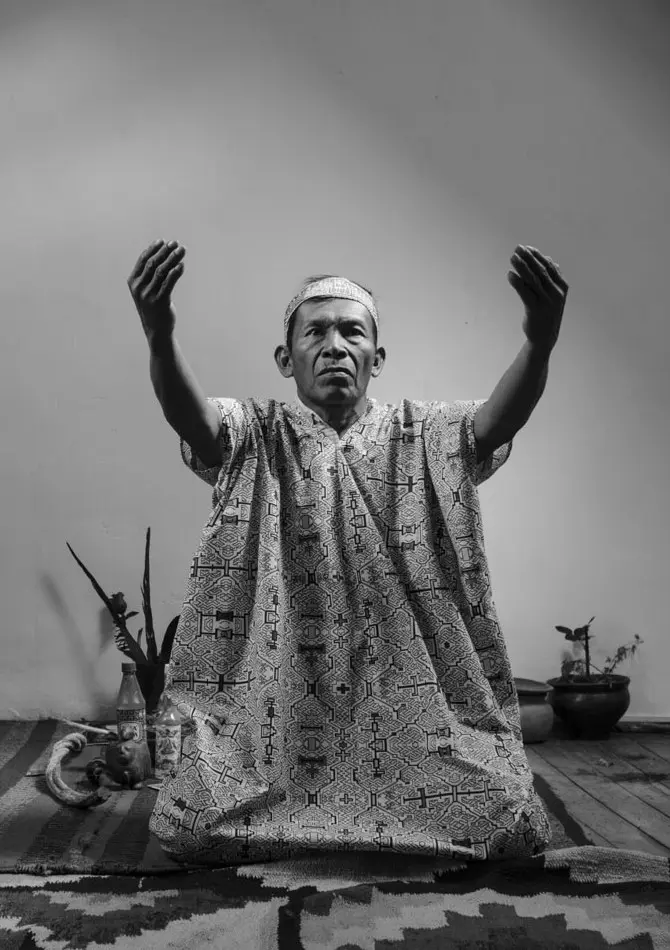
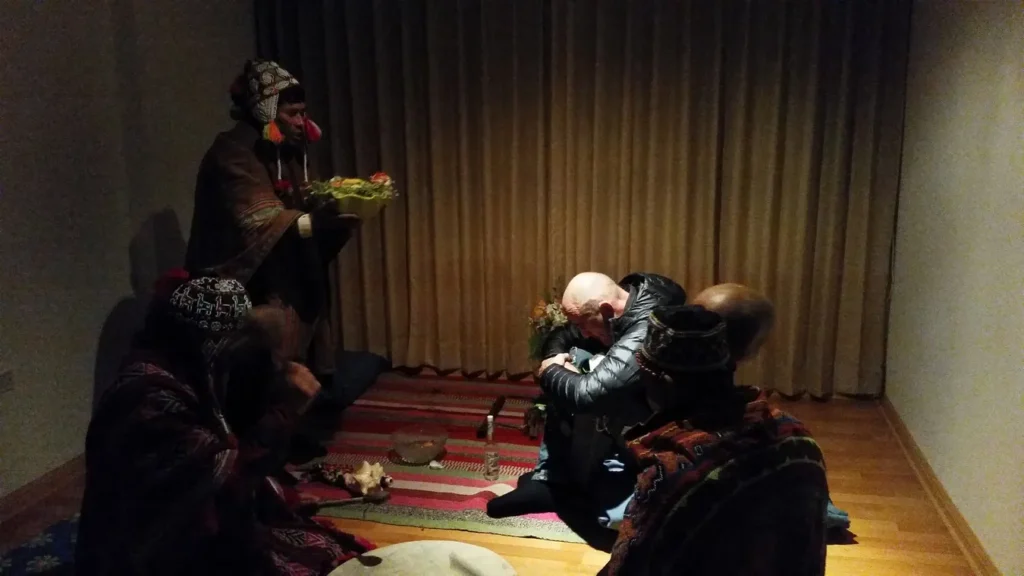
Ayahuasca itself comes from the Amazon basin, not the Andes — it’s a brew combining two plants, prepared and administered by a trained shaman (an ayahuasquero), traditionally from Shipibo or Shipibo-Konibo lineage. The ceremony happens at night, usually in a maloca or dedicated ceremonial space, and follows a structure that’s remarkably consistent across legitimate centers even when the details differ: an opening explanation, intention-setting, then the ceremony itself under icaros sung by the shaman, with a support team present the entire time.
What actually happens during the ceremony varies enormously by person. Visions are common but not universal. Physical purging — vomiting, in most cases — happens to a large share of participants and is treated within the tradition as part of the cleansing process, not as something going wrong. What’s consistent is the emotional intensity: ayahuasca has a reputation for surfacing exactly what a person has been avoiding, rather than offering comfortable insight. That reputation is largely earned.
A retreat built around ayahuasca will typically include, at minimum: a written medical and psychological screening beforehand (this matters — certain medications, particularly SSRIs and MAOIs, and certain psychiatric or cardiac histories make the medicine genuinely dangerous rather than just inadvisable), a short dietary preparation period, the ceremony or ceremonies themselves, and a grounding session the following morning where the group processes what came up
How These Traditions Combine in a Single Retreat
None of this works as a menu where you pick items independently. In practice, a well-run retreat sequences these pieces deliberately, and the order matters.
A typical structure looks something like this: arrival and a coca leaf reading to establish where each person is starting from, a negative energy cleansing to clear the ground, then the ceremonial work itself — San Pedro if the program includes it, usually earlier in the week, followed by one or more ayahuasca ceremonies as the retreat progresses and trust deepens. Each ceremony is followed by a grounding or sharing session the next morning. The retreat typically closes with a Pachamama offering and a flowering bath, giving the group a formal way to mark the end of the process rather than simply packing up and leaving.
The reason this sequencing exists isn’t decorative. Ayahuasca in particular can surface material that’s difficult to sit with alone, and the ancestral ceremonies around it give that material somewhere to go — a ritual container for gratitude, for release, for closing a chapter — rather than leaving a person to process everything internally with no structure at all.
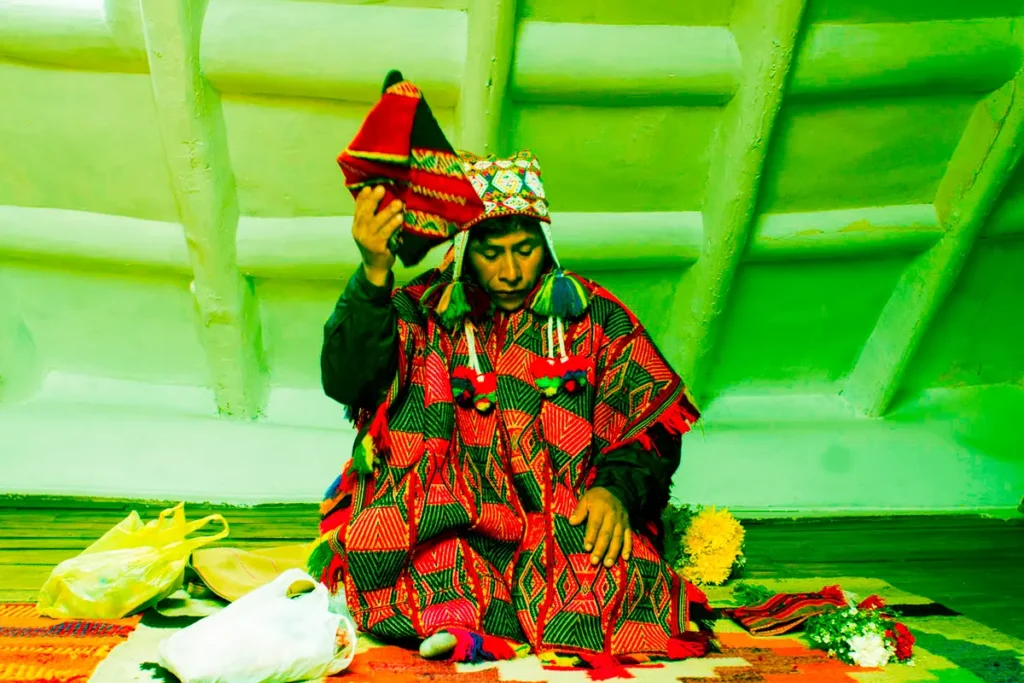
Choosing Your Retreat Length and Combination
How much of this you experience depends almost entirely on how many days you have.
A 1-day retreat generally centers on a single ayahuasca ceremony, sometimes paired with a San Pedro session earlier in the day, plus a coca leaf reading and negative energy cleansing bookending the medicine work. It’s a complete experience, not a shortened one — just fewer ceremonies packed into a tighter window.
A 2 to 3-day retreat adds a rest day between ceremonies and room for a Pachamama offering partway through, giving the ancestral ritual side more space to breathe rather than being compressed into a single afternoon.
A 5 to 7-day retreat is where all three traditions typically get their full expression: multiple ayahuasca ceremonies, a dedicated San Pedro day, and the full arc of coca leaf reading, negative energy cleansing, Pachamama offering, and flowering bath spread across the week with proper integration time between each element.
If you already know you want a specific length, the day-by-day breakdowns are on our dedicated retreat pages — 1 Day Ayahuasca Retreat, 2 Day Ayahuasca Retreat, 3 Day Ayahuasca Retreat, 5 Day Ayahuasca Retreat, and 7 Day Ayahuasca Retreat — with the exact ceremonies included in each program.
What a Legitimate Retreat in Peru Should Provide
Regardless of which combination of ceremonies you choose, a handful of things separate a properly run retreat from one that isn’t, and they’re worth knowing before you book anywhere — not just with us.
A written medical and psychological screening, taken seriously rather than as a formality, should happen before any booking is confirmed. Certain medications and conditions make ayahuasca and, to a lesser extent, San Pedro genuinely dangerous, and a retreat that skips this step is skipping the single most important safety measure available.
A support team should be present throughout the night for ayahuasca ceremonies, not just the shaman alone. Physical purging, disorientation, and intense emotional states are common enough that facilitators need to be watching for them directly, not checking in periodically.
Group size matters more than most people expect going in. A ceremony with six participants and a full support team looks very different from one run for twenty people with one facilitator. Ask directly about group size before booking.
Integration — the grounding sessions, sharing circles, and closing rituals described above — should be built into the program, not offered as an afterthought. What surfaces during ayahuasca in particular needs somewhere to go, and a retreat without structured integration is leaving that entirely up to the participant.
Choose Your Path: Retreat Options
Short Retreats (1-3 Days)
Ideal for newcomers or busy travelers, these retreats are carefully crafted to provide a respectful introduction to ayahuasca—safe, clear, and deeply touching.
Immersive Retreats (5-7 Days)
Designed for those who seek depth. You’ll engage in multiple ceremonies, reflection time, and guided practices—all enveloped by Peru’s natural beauty.
Extended Healing Retreats (10+ Days)
A deep dive into healing—for those called to walk through layers of transformation. Extended programs like these allow for profound personal insights and lasting change.
Ready to Plan Your Retreat in Peru
Whether you’re drawn to a single ayahuasca ceremony, a longer program combining San Pedro and the ancestral Andean rituals, or you’re still deciding how much of this you’re ready for, the right next step is a conversation rather than a guess. Reach out through WhatsApp or our contact form, and we’ll help you figure out which length and combination actually fits what you’re looking for.
Frequently Asked Questions About Ayahuasca Retreats in Peru
Can I do ayahuasca and San Pedro in the same retreat?
Yes, and it's common. Because the two medicines work in different ways — San Pedro daytime and outward-facing, ayahuasca nighttime and introspective — most multi-day retreats include both rather than treating them as alternatives.
Do I need to prepare for the ancestral ceremonies the same way I prepare for ayahuasca?
Not in the same sense. The dietary and medical preparation applies specifically to ayahuasca and San Pedro, since those involve psychoactive substances. The ancestral rituals — coca leaf reading, Pachamama offering, flowering bath, negative energy cleansing — don't carry the same medical restrictions, though showing up with genuine intention matters for all of them.
How long should my retreat be?
That depends on what you're looking for more than on any fixed rule. A single day covers one complete ayahuasca ceremony; five to seven days allows for multiple ceremonies of both medicines plus the full set of ancestral rituals with proper rest and integration between each one.
Is a retreat in Cusco different from one in the Amazon?
Yes, meaningfully. Ayahuasca itself originates in the Amazon, but a retreat based in Cusco and the Sacred Valley sits within Andean ceremonial tradition, which means the ancestral rituals described on this page — Pachamama offerings, coca leaf readings, the connection to the Apus — are part of the container around the medicine in a way they typically aren't at a purely jungle-based center.
Do these ceremonies have any age or health restrictions?
Yes. They're not appropriate for anyone currently on psychiatric medication, with a serious cardiac or psychiatric history, or during pregnancy. A proper medical screening before booking will identify these issues directly rather than leaving it to guesswork.
What should I bring to a multi-day retreat?
Comfortable clothing suited to both daytime warmth and cold mountain nights, a journal for integration work, a reusable water bottle, and enough openness to sit through ceremonies you can't fully predict in advance. A detailed packing list is provided after booking.