Negative Energy Cleansing
Ceremony in Cusco
Negative Energy Cleansing Ceremony Cusco – Ancestral Ceremony
Negative Energy Cleansing Cusco - Ancient Rituals
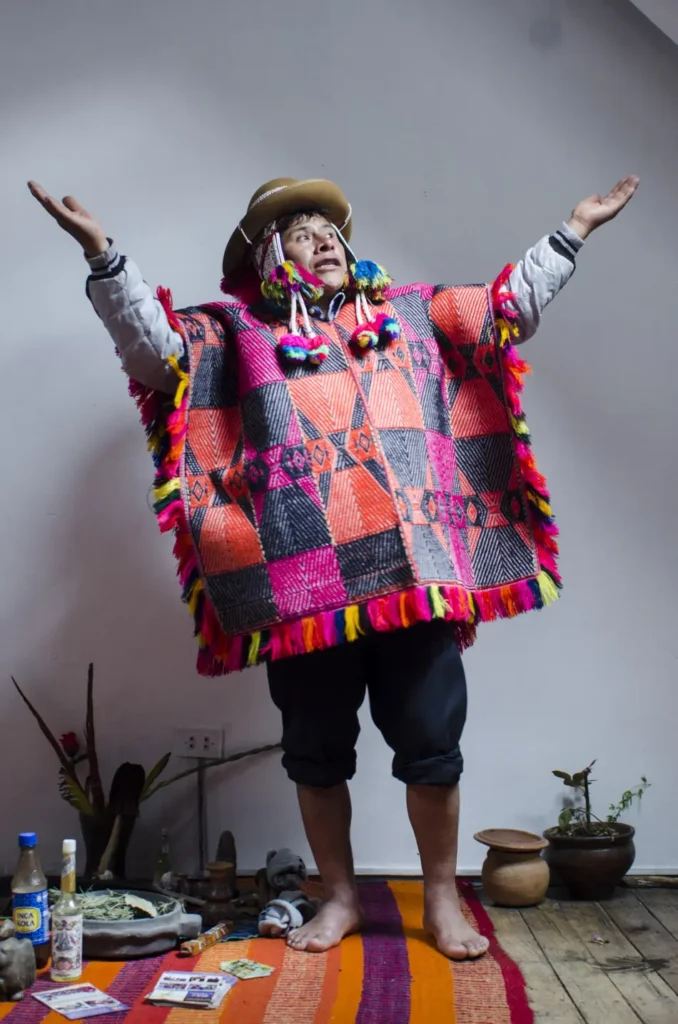
Andean healers call it a limpia. Not because anything about it is quiet — it usually involves smoke, herbs, sometimes a raw egg passed over the body, and a shaman speaking in a mix of Quechua and Spanish while working around you in slow, deliberate movements. The word simply means “cleaning,” and that’s the closest plain description of what it does.
If you’ve traveled to Cusco carrying more than luggage — stress that won’t quit, grief, a stretch of bad luck, or just the sense that something’s stuck — this is usually the ceremony locals point you toward before anything else. It’s short, it doesn’t involve plant medicine, and most retreat centers schedule it early, often before an Ayahuasca ceremony rather than after.
Quick Facts
| Duration | 45 minutes – 2 hours |
| Location | Retreat center, private site in the Sacred Valley, or your accommodation |
| Guide | Andean shaman, paqo, or altomisayoq, often from Q’ero lineage |
| Group size | Private or small group |
| Typical price | From $120 – $180 USD per person |
| Best paired with | Ayahuasca retreat (before the ceremony), Pachamama offering, coca leaf reading |
| Physical demand | Low — mostly standing or seated |
What's Included
- Andean shaman or paqo experienced in traditional energy cleansing
- All ceremonial materials (herbs, incense, and other traditional elements)
- Translation into English if needed
- A quiet space for the ceremony, whether at a retreat center or private site
Not usually included unless requested: transportation from outside Cusco, follow-up sessions, or combination with a full Ayahuasca ceremony on the same day.
What the Ceremony Actually Is
In Andean tradition, illness isn’t only physical. A run of bad luck, a lingering sadness, tension in a relationship, or a general sense of heaviness are often understood as accumulated negative energy — hucha, in Quechua — that’s settled into a person’s energy field and needs somewhere to go. A limpia is the practice built specifically to move it out.
The tools vary by shaman and by community, but the logic behind them stays consistent: smoke and herbs pull, feathers sweep, and certain plants are believed to absorb what a person can’t hold onto anymore. Rue, rosemary, and broom show up often for their traditional cleansing properties, and a condor feather is sometimes used to sweep the energy field from head to foot. None of this replaces medical or psychological care — Andean healers themselves generally see it as a complement to those, not a substitute.
Most people leave a limpia describing something similar: lighter, calmer, less weighed down, even if they can’t fully explain why.
What to Bring and How to Prepare
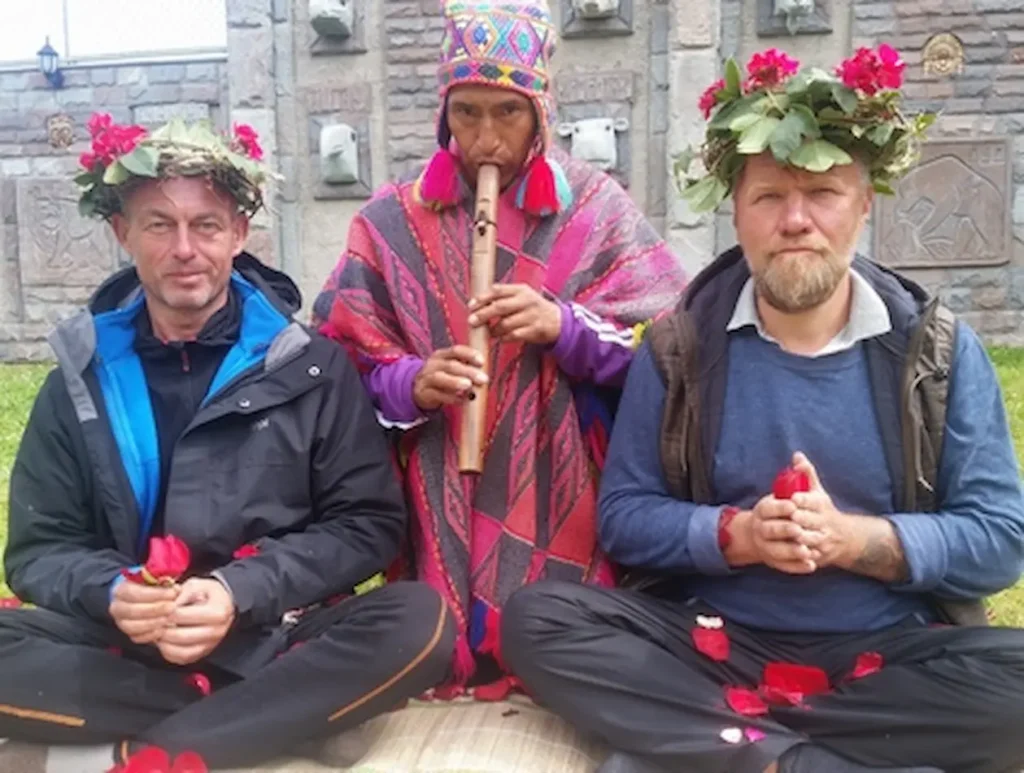
- Loose, comfortable clothing you don’t mind smelling faintly of smoke afterward
- A clear sense of what you’re hoping to release, even if it’s just “heaviness” or “stress”
- An open, patient attitude — reactions to a limpia vary and there’s no “correct” way to feel afterward
- No fasting or special diet is required for this ceremony
Pairing It With an Ayahuasca Retreat
Retreat centers in Cusco commonly place this ceremony early in the program, sometimes the same day as a coca leaf reading, and before the first Ayahuasca night. The reasoning is practical: clearing out what’s already weighing on you tends to make the deeper work with Ayahuasca more direct, since there’s less static in the way.
It also pairs naturally with our Pachamama offering ceremony and our Ayahuasca retreats in the Sacred Valley, since all three are built around the same Andean principle of restoring balance between a person and the forces around them.
Who Leads It
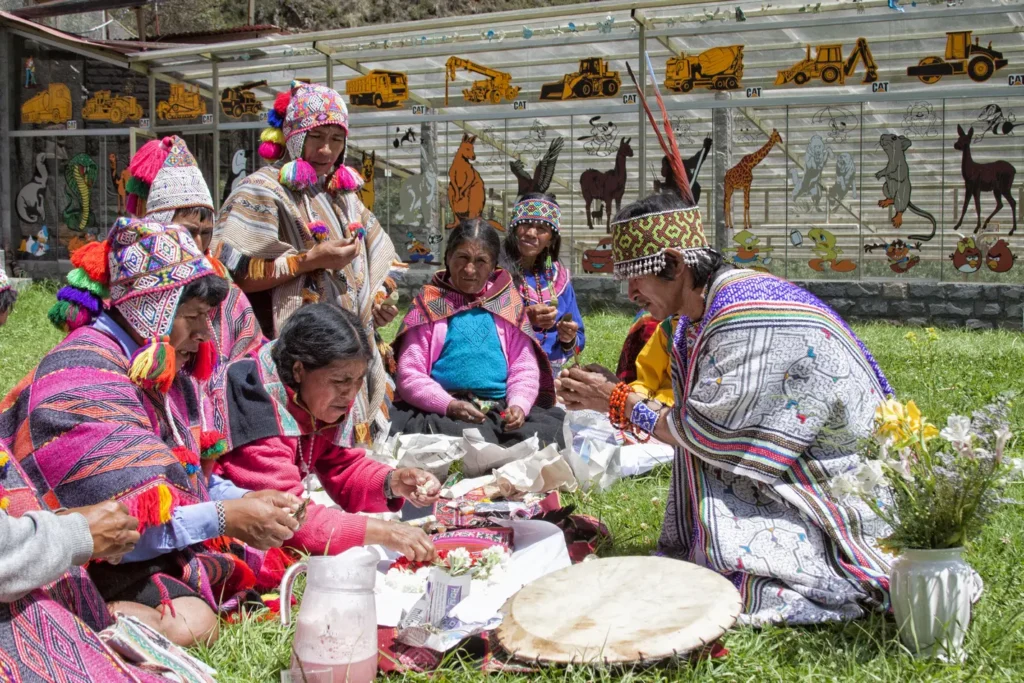
The shamans who perform this ritual most often come from Q’ero communities, descendants of a healing lineage that traces back to Inca-era priests. Training isn’t formal in the academic sense — it’s inherited, watched, and practiced over years before a shaman leads a cleansing independently. What matters most here is direct lineage and consistent ceremonial practice, not a certificate.
How the Ceremony Unfolds
1. A short check-in.
The shaman usually asks what’s brought you to the ceremony — stress, a difficult period, or simply curiosity about the practice. Some begin with a brief coca leaf reading to identify where the imbalance sits.
2. Opening the space.
As with most Andean rituals, the shaman asks permission from the Apus and Pachamama before beginning, often with incense or a prayer in Quechua.
3. The cleansing itself.
Using a bundle of herbs, smoke, sometimes an egg or a feather, the shaman works around your body — front, back, head to feet — sweeping and brushing in slow, repeated motions. This part can feel intense, ordinary, or almost nothing at all; reactions vary widely from person to person.
4. Releasing what's collected.
Whatever the herbs or tools are believed to have absorbed is disposed of deliberately — burned, buried, or left at a specific site — rather than simply discarded, following the same principle of reciprocity found in the despacho tradition.
5. Closing words.
The ceremony ends with a short blessing, thanking the Apus and Pachamama, and sometimes brief guidance on what to expect in the days that follow.
Frequently Asked Questions
What does "limpia" mean?
It’s the Spanish word for “cleaning,” used across the Andes to describe a traditional ritual for clearing accumulated negative or stagnant energy.
Is this the same as an Ayahuasca ceremony?
No. It uses no plant medicine and involves no altered state — it’s a shorter, gentler ritual usually done with herbs, smoke, and sometimes a feather or egg.
Can it help with stress, anxiety, or bad luck?
Many people seek it out for exactly those reasons, though it’s best understood as a spiritual and energetic practice rather than a medical or psychological treatment. It complements, but doesn’t replace, professional care.
Do I need to combine it with an Ayahuasca retreat?
No. It’s commonly booked as a standalone session, and many travelers do it purely out of interest in Andean tradition.
Is it physically demanding?
Not at all. Most of the ceremony involves standing still or sitting while the shaman works around you.
How will I feel afterward?
Reactions vary — many people report feeling lighter or calmer, while others notice little immediate difference. There’s no fixed outcome, and that’s considered normal.
Ready for Your Cleansing?
Whether you’re preparing for an Ayahuasca retreat or simply want to set something down before moving forward, a negative energy cleansing ceremony is one of the most direct ways Andean tradition offers to clear space for what comes next.
Book your negative energy cleansing ceremony in Cusco today and let an experienced Andean shaman guide you through this ancestral practice of release and renewal.