Flowering Bath
Ceremony in Cusco
Flowering Bath Ceremony Cusco – Ancestral Ceremony
Flowering Bath Ritual in Cusco
There’s a reason Andean retreats almost never open with this ceremony. A Flowering Bath is meant for someone who’s already been cleared out — which is why it’s traditionally the closing ritual, not the first one. You don’t plant flowers in ground that hasn’t been turned over first.
If you’ve spent a few days in Cusco doing deeper work — Ayahuasca, a negative energy cleansing, or simply reflecting on what you came here for — this is usually the ceremony that closes things out. It’s gentle, it’s symbolic, and unlike some of the more intense Andean rituals, most people find it genuinely enjoyable.
Quick Facts
| Duration | 30 – 60 minutes |
| Location | Retreat center, private site in the Sacred Valley, or your accommodation |
| Guide | Andean shaman or paqo |
| Group size | Private or small group |
| Typical price | From $120 – $180 USD per person |
| Best paired with | End of an Ayahuasca retreat, after a negative energy cleansing, or as a standalone closing ritual |
| Physical demand | Low — mostly standing while flowers and water are poured over you |
What's Included
- Andean shaman experienced in traditional flowering rituals
- Flowers, herbs, and scented water selected for the ceremony
- Translation into English if needed
- A quiet space for the ritual, whether outdoors or at a retreat center
Not usually included unless requested: transportation from outside Cusco, or a preceding cleansing ceremony (often booked as a separate but related session).
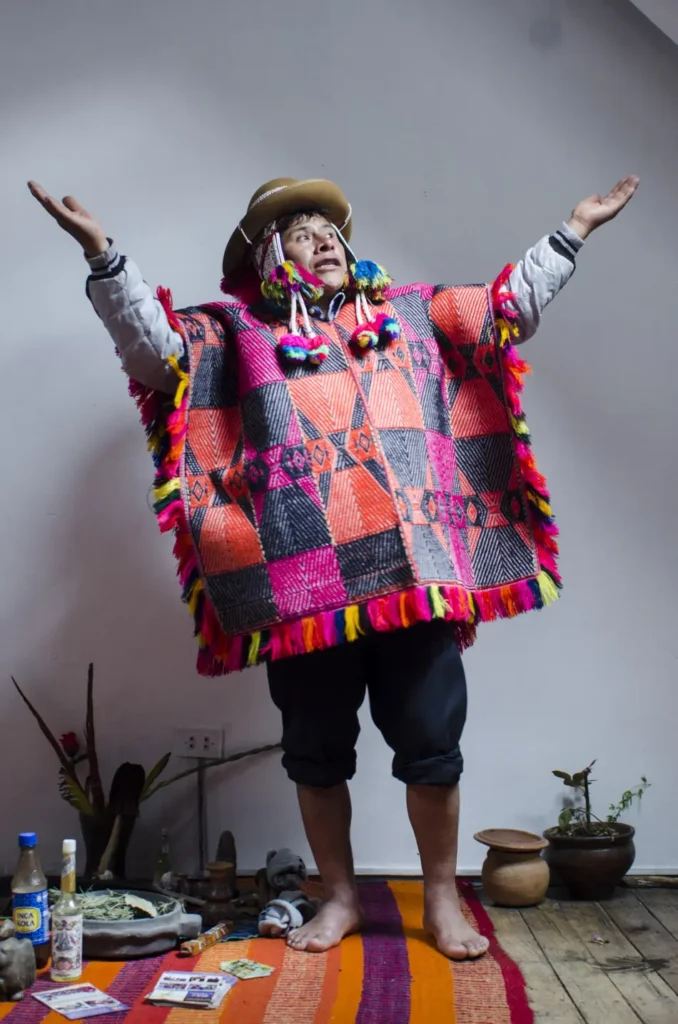
What the Ceremony Actually Is
In Quechua, it’s sometimes called baño de florecimiento — the bath of blossoming. The logic is straightforward once you see it: after a cleansing removes what’s stagnant, the Flowering Bath is what’s meant to fill that space back up. Flowers, herbs, and scented water stand in for the qualities a person is hoping to invite in — love, clarity, prosperity, renewed energy — depending on what the ceremony is built around.
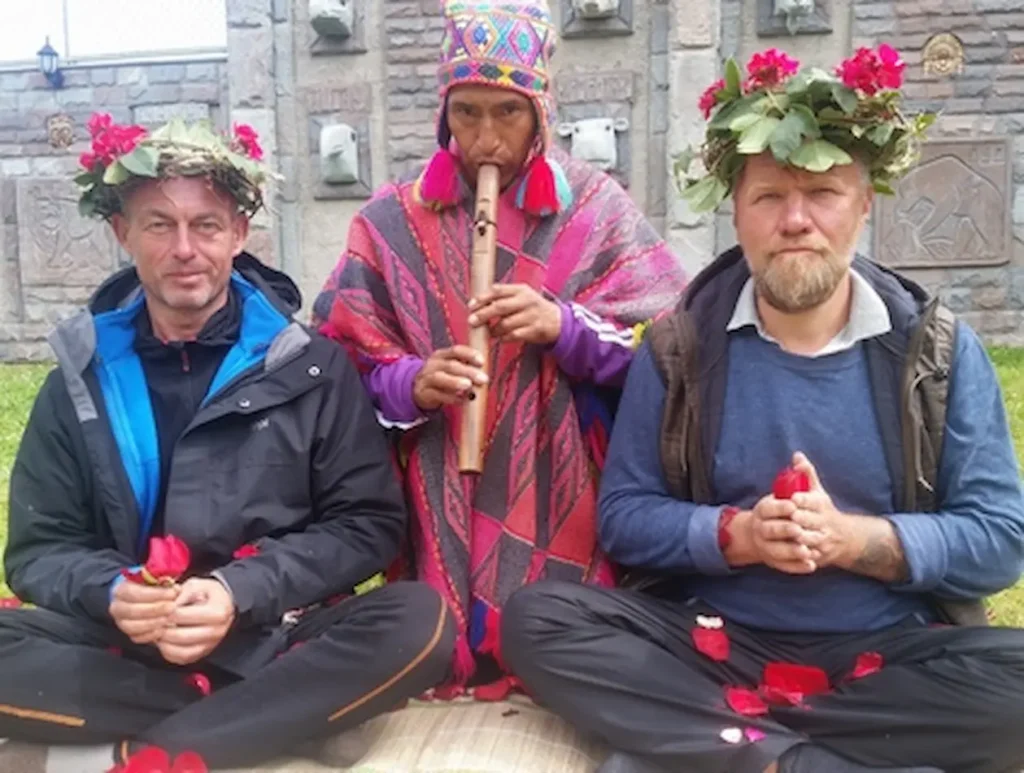
Color carries meaning here. White flowers are generally associated with purity, red with love, and yellow with luck and joy, though the exact combination varies by shaman and by what the participant is working toward. Rosemary and rue often reappear from the cleansing ritual, this time symbolizing growth rather than removal.
Most shamans are firm on one point: this ceremony works best as a second step, not a first one. Andean tradition holds that flowering only takes root in a field that’s already been cleared — which is why retreat centers in Cusco almost always schedule a cleansing ceremony beforehand, even if it’s brief.
What to Bring and How to Prepare
- Avoid alcohol from at least the day before the ceremony
- Skip lotions, perfumes, or other scented products on the day of the ritual, since they can interfere with the herbs and flowers used
- Come with a specific intention in mind — the ceremony works with whatever you bring to it
- Comfortable clothing you don’t mind getting slightly damp or scented with flowers afterward
Pairing It With an Ayahuasca Retreat
Retreat centers in Cusco almost always schedule the Flowering Bath toward the end of a program, often on the final day, as a way of closing the retreat on a note of renewal rather than release. It’s common to see it follow directly after a negative energy cleansing ceremony, which clears the space this ritual is meant to fill.
It also pairs naturally with our Ayahuasca retreats in the Sacred Valley and our Pachamama offering ceremony, rounding out a full Andean ceremonial arc from opening to close.
Who Leads It
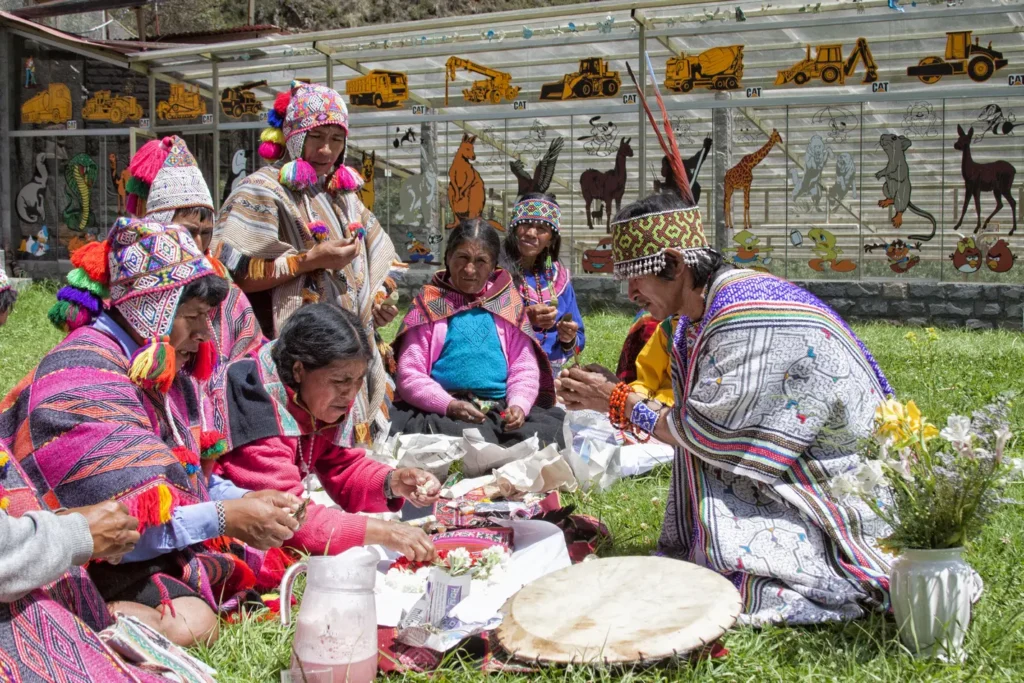
The shamans who perform this ritual are generally the same Andean priests — paqos or altomisayoq — who guide despacho offerings and cleansing ceremonies, since all three draw on the same body of Andean ceremonial knowledge. Selecting the right combination of flowers and herbs for a given intention is considered a skill passed down through years of apprenticeship rather than something standardized across shamans.
How the Ceremony Unfolds
1. A short conversation.
The shaman may ask what you’re hoping to invite into your life — health, love, work, spiritual clarity — so the flowers and herbs used can be chosen with that in mind.
2. Opening the ritual.
As with most Andean ceremonies, the shaman opens with a prayer to the Apus and Pachamama, asking for the ceremony to be received well.
3. Preparing the bath.
Flowers of different colors, aromatic herbs, and scented water are combined, sometimes in a large basin, sometimes poured directly. Incense is often lit alongside this, meant to relax the participant and shift the mood of the space.
4. The pouring.
The shaman pours the flower water over your head and shoulders while speaking prayers or intentions aloud, sometimes in Quechua, sometimes in Spanish. Petals are left to fall naturally rather than brushed away — in some traditions, the longer they stay, the better.
5. Closing words.
The ceremony ends with a short blessing of gratitude to Pachamama and the Apus, and sometimes brief guidance on carrying the ceremony’s intention forward.
Frequently Asked Questions
What's the difference between a Flowering Bath and a negative energy cleansing?
A cleansing removes what’s stagnant or negative; a Flowering Bath is meant to fill that same space with new intention — love, prosperity, clarity, or renewed energy. Most Andean shamans recommend doing the cleansing first.
Do I need to combine this with an Ayahuasca ceremony?
No, though it’s commonly scheduled at the close of an Ayahuasca retreat as a way of ending the experience on a note of renewal.
What do the different flower colors mean?
Broadly, white is associated with purity, red with love, and yellow with luck and joy, though the exact meaning can shift slightly depending on the shaman and tradition.
Is it physically demanding?
No. Most of the ceremony involves standing still while flower water is poured over you.
How should I prepare beforehand?
Avoid alcohol the day before, skip perfumes or lotions on the day of the ceremony, and come with a clear sense of what you’d like to invite into your life.
Can I do this ceremony on its own, without a retreat?
Yes. Many travelers book it as a standalone closing ritual for their time in Cusco, independent of any plant medicine work.
Ready for Your Flowering Bath?
Whether it’s closing out an Ayahuasca retreat or marking the end of your time in the Sacred Valley, a Flowering Bath is the ceremony Andean tradition built for turning a clean slate into a fresh start.
Book your Flowering Bath ceremony in Cusco today and let an experienced Andean shaman guide you through this ancestral ritual of renewal.