How to choose an ayahuasca retreat — 12 specific questions to ask any center before booking, what good answers look like, red flags to avoid, and how to protect yourself.
The ayahuasca retreat market has grown faster than any oversight mechanism designed to regulate it. Between 2015 and 2026, the number of centers offering ceremonial ayahuasca in Peru alone grew from dozens to several hundred. The demand surge brought genuine healers into contact with international participants for the first time — and it also created conditions where inadequately trained operators, commercial operations with minimal safety protocols, and in some cases outright fraudulent centers can attract bookings through polished websites and aggressive digital marketing.
The difference between a well-run ceremony and a poorly held one is not always visible on a website. It requires asking specific questions — and knowing what a good answer looks like versus what a deflection or red flag sounds like.
This guide gives you twelve questions to ask any retreat center before booking, what answers tell you about the operation’s actual standards, and the specific red flags that should prompt you to keep looking.
Table of Contents
Before the Questions: Two Things to Understand
Not all criteria carry the same weight. Some questions address non-negotiable safety standards — things that, if the answer is inadequate, should end your consideration of that center regardless of how appealing everything else looks. Others address quality and fit — important, but more flexible depending on your intentions and preferences. The twelve questions below are ordered accordingly: safety first, quality second, fit third.
Websites are not reliable. Every center has a professional website, compelling photography, and testimonials from satisfied participants. The 2026 JAMA Network Open study analyzing 49 psychedelic retreat organizations found that safety practices varied significantly even among publicly advertised operations — and all screening relied entirely on self-report. The gap between what centers say they do and what they actually do can only be identified through direct conversation. Ask the questions. Don’t assume.
Ayahuasca Retreat in Cusco
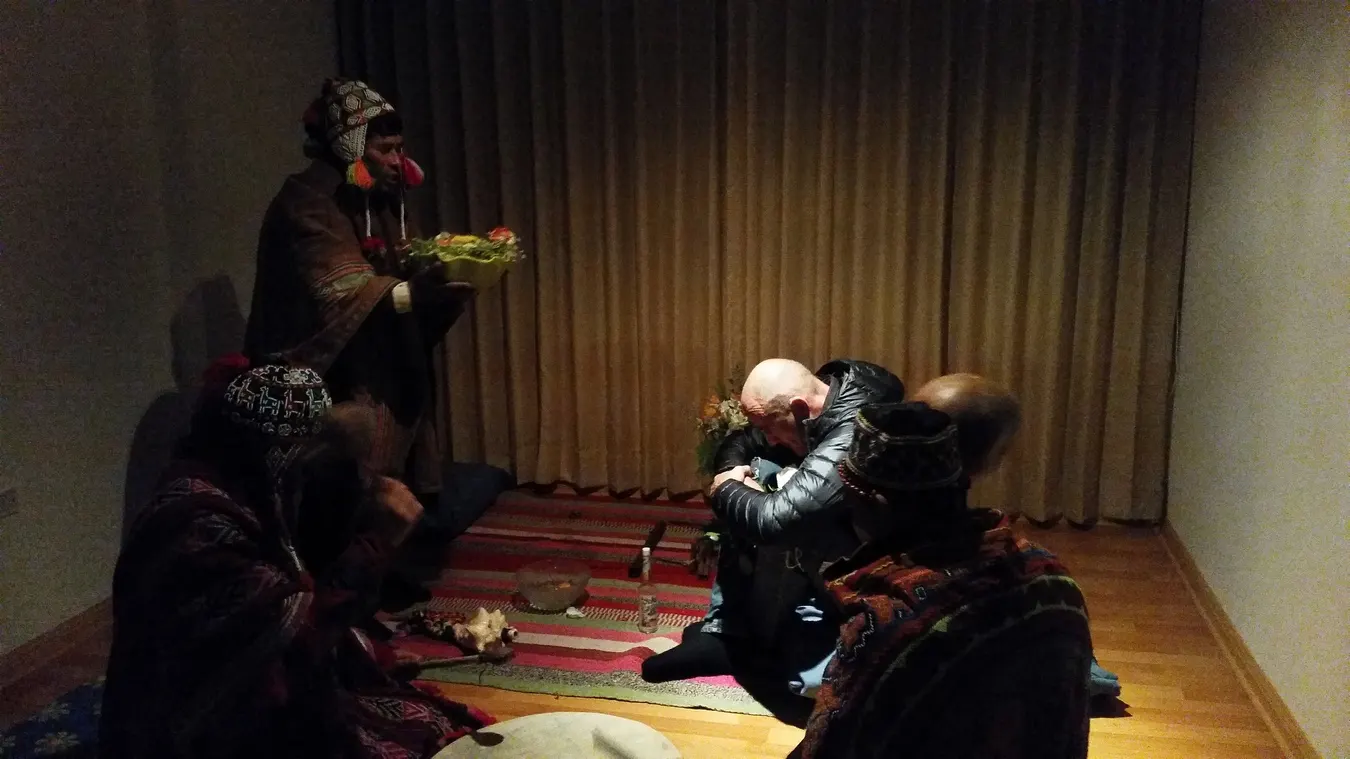
1 Day Ayahuasca Retreat Cusco
Designed for visitors with little time seeking a profound spiritual experience, the 1 Day Ayahuasca Retreat in Cusco, Peru is meant for them.
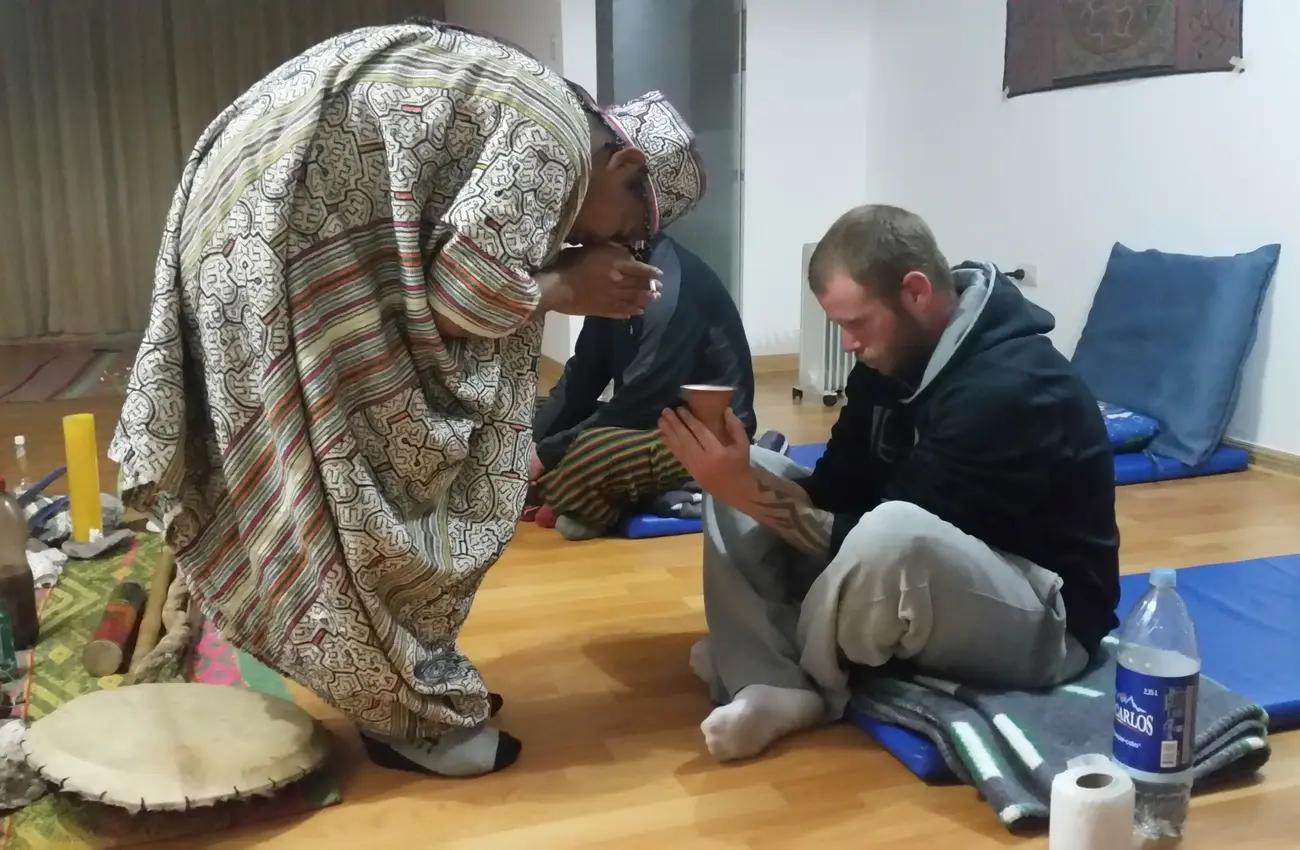
2 Day Ayahuasca Retreat Cusco
Our 2 Day Ayahuasca Retreat Cusco Peru offers a sacred space for those who seek profound healing and self-discovery in a short yet powerful journey.
The 12 Questions
Question 1: Who leads the ceremonies — by name and background?
Why it matters: The shaman is not interchangeable with the setting, the pricing, or the website copy. The quality, safety, and depth of a ceremony depend primarily on the healer — their training lineage, their years of practice, their genuine relationship with the medicine.
What a good answer looks like: The center gives you a specific name. They describe the healer’s lineage — for example, that they trained under a specific master ayahuasquero over a period of years, or that they come from a family tradition in Amazonian healing. They mention how long the shaman has been practicing — ideally decades rather than years. They are specific, not vague.
What a red flag looks like: “Our experienced team of shamans” without naming anyone. “A certified plant medicine facilitator” — certification from Western programs is not a traditional lineage. Reluctance to provide the healer’s background when asked directly. Rotating shamans from ceremony to ceremony with no consistent primary healer.
How Ayahuasca Cusco answers this: We can tell you exactly who leads our ceremonies, where they trained, and the lineage they carry — both Amazonian and Andean.
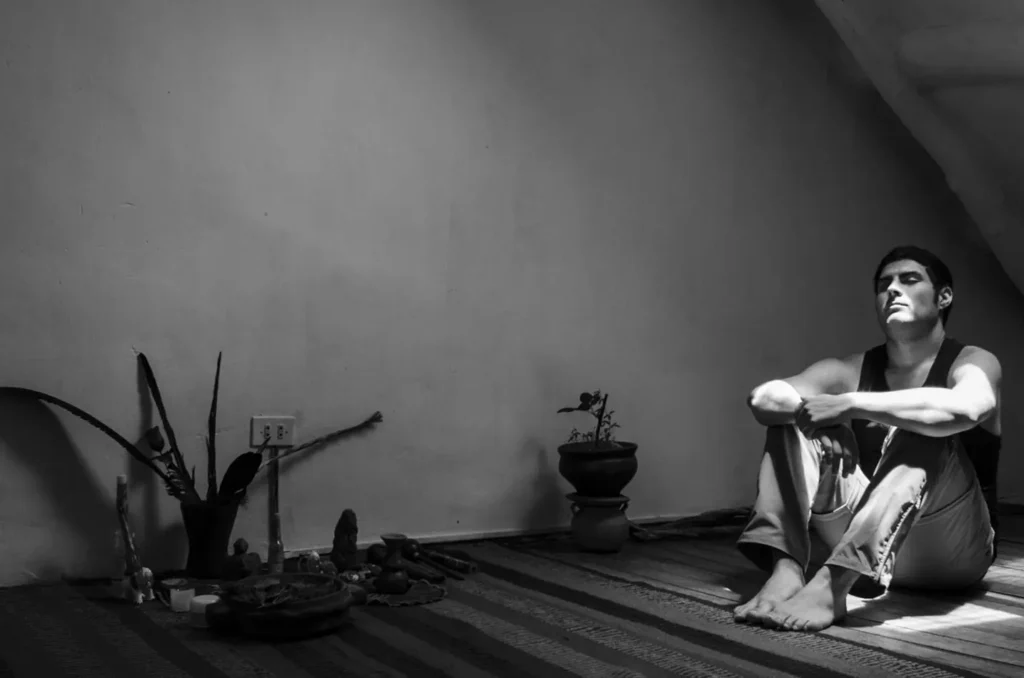
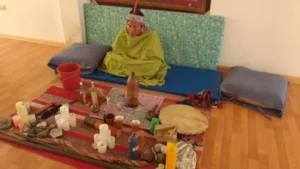
Healing center for Ayahuasca retreat in Cusco – Centro de sanación para retiro ayahuasca Cusco
Question 2: What does your medical screening process involve?
Why it matters: Ayahuasca’s contraindications are real and, in certain cases, life-threatening. The interaction between the brew’s MAO inhibitors and serotonergic medications (SSRIs, SNRIs, MAOIs) can cause serotonin syndrome. Unscreened participants with psychiatric contraindications represent documented sources of serious adverse events.
A 2026 study published in JAMA Network Open found that while 87.8% of retreat organizations required or recommended medication washout, only 73.5% had clear exclusion criteria, and screening quality varied dramatically across the 49 centers analyzed. The gap between claiming to screen and actually screening matters.
What a good answer looks like: A detailed health questionnaire covering medications, supplements, complete psychiatric history, and family psychiatric history. An individual review of that questionnaire by someone with medical knowledge — not an automated approval. The willingness to deny applications that don’t meet their criteria.
What a red flag looks like: A checkbox intake form that takes two minutes to complete. Immediate acceptance without any screening dialogue. “We welcome everyone” or similar language. No discussion of medications or contraindications at any point in the booking process.
How Ayahuasca Cusco answers this: Every participant completes a detailed intake before any booking is confirmed. We review each one individually and consult medical advisors for complex cases. We have declined applicants who presented contraindications — not to be exclusionary, but because participant safety requires it.
Question 3: Will you turn applicants away if they don’t meet your criteria?
Why it matters: This question, asked directly, is one of the most revealing you can ask. A center that is willing to lose revenue by declining inappropriate participants is demonstrating something real about how it operates. A center that accepts everyone is not actually screening — it is processing bookings.
What a good answer looks like: Yes, and here is what disqualifies someone: specific psychiatric conditions, specific medications without adequate washout, active cardiovascular conditions. They can enumerate their exclusion criteria specifically.
What a red flag looks like: Any version of “we try to accommodate everyone” or hedging that never produces a clear yes. Vague references to safety without being able to name what would actually result in a declined application.
Question 4: What is your emergency protocol?
Why it matters: Difficult experiences during ceremony — physical and psychological — are not rare. The difference between a challenging night and a medical emergency is one that an experienced facilitation team can navigate, provided they have a clear protocol, a vehicle available, and knowledge of the nearest medical facility.
What a good answer looks like: A specific protocol. “If a participant experiences a severe physical reaction, we have [x] available on-site. The nearest hospital with [x] capacity is [y] minutes away. Our team includes [x] who is trained in [y].” Specificity is the signal.
What a red flag looks like: “We are very experienced and know how to handle anything that comes up.” Vague reassurance without specific content. No mention of a vehicle, a nearby medical facility, or trained staff. The answer sounds like a marketing statement rather than an operational protocol.
Question 5: What is the facilitator-to-participant ratio during ceremony?
Why it matters: A single healer conducting ceremony for twenty people cannot provide individual support when someone is struggling. The ratio of trained facilitators to participants directly determines how much individual attention and care is available during the most vulnerable hours of the night.
What a good answer looks like: A clear ratio. Most reputable centers aim for no more than four to eight participants per trained facilitator. The center should be able to tell you how many facilitators will be present per participant, not just “our team is experienced.”
What a red flag looks like: Large group sizes (twenty or more) with a single shaman and minimal or unspecified support staff. No clear answer on the ratio when asked directly.
How Ayahuasca Cusco answers this: We keep group sizes deliberately small. Every ceremony has the primary healer plus trained facilitators whose specific role is participant support throughout the night.
Question 6: What brew do you serve, and does it contain any plants beyond Banisteriopsis caapi and Psychotria viridis?
Why it matters: The standard ayahuasca brew uses two plants: Banisteriopsis caapi (the vine) and Psychotria viridis (chacruna leaves). Some operators add additional plants — including Brugmansia (toé), which contains scopolamine and has a significantly more dangerous and unpredictable profile. Documented incidents and deaths have been associated with undisclosed additives in ayahuasca ceremonies.
What a good answer looks like: “We use Banisteriopsis caapi and Psychotria viridis. Our brew is prepared by [the shaman] over [period]. No other psychoactive plants are added.” Clear and specific.
What a red flag looks like: Vague descriptions of the brew. Reluctance to specify the plants used. Any mention of additional plants without full explanation of what they are and why. “Our special medicine” without elaboration.
Question 7: What integration support do you offer — during and after the retreat?
Why it matters: Integration is where the lasting benefit of a ceremony is either consolidated or lost. A ceremony without integration support is an incomplete experience. The most important question is not what happens during the ceremony but what support exists before, between ceremonies, and after the retreat ends.
The 2026 JAMA study found that only 30.6% of the 49 retreat organizations analyzed offered structured preparation activities — meaning roughly 70% sent participants into ceremonies without systematic support.
What a good answer looks like: Daily or post-ceremony integration circles during the retreat. Specific follow-up protocols after participants return home — whether that’s check-in calls, integration resources, or referrals to integration-trained therapists. At minimum, a clear plan for the days immediately following each ceremony.
What a red flag looks like: A ceremony followed by breakfast and checkout. “We recommend journaling after the ceremony.” Integration mentioned in marketing copy but absent from the actual program when you ask for specifics.
How Ayahuasca Cusco answers this: Every ceremony in our programs is followed by an integration circle the next morning. We provide follow-up support for all participants after they return home, and can connect participants with integration therapists for ongoing work.
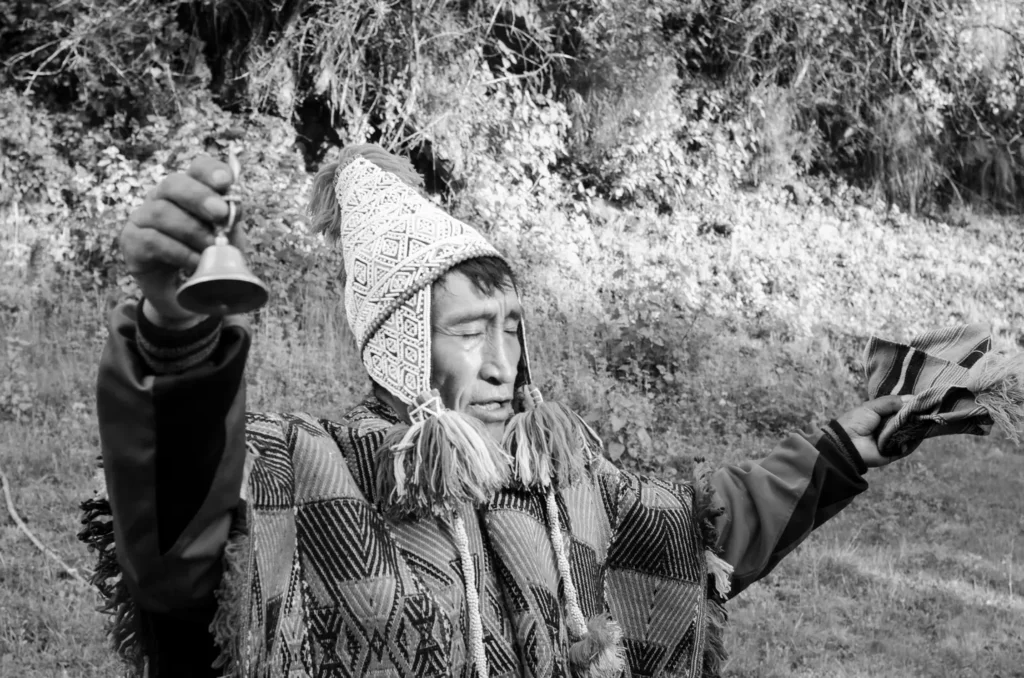
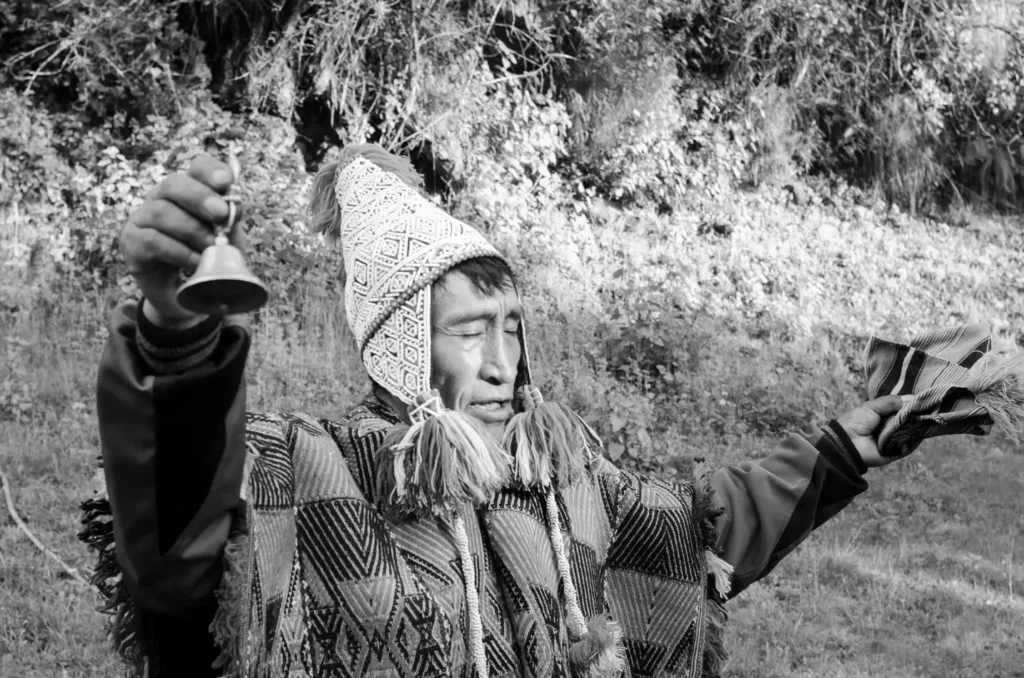
Shipibo shaman guiding ayahuasca retreat in Peru – Chamán shipibo ceremonia ayahuasca Perú
Question 8: Can you provide independent references or verifiable reviews?
Why it matters: Testimonials on a center’s own website are selected by the center. They tell you what the center wants you to know. Independent reviews on Google, TripAdvisor, AyaAdvisors, and Retreat Guru — from identifiable people over a period of time — tell a more complete story.
What a good answer looks like: “Here are our Google and TripAdvisor profiles. You can also find us listed on AyaAdvisors and Retreat Guru where participants leave unmoderated reviews.” The center actively directs you to places they don’t control.
What a red flag looks like: Reviews only on the center’s own website or social media. Suspiciously uniform positive reviews all posted within a short window. No presence on independent platforms. Reluctance to direct you to external review sources.
Question 9: What is your policy on physical contact between facilitators and participants?
Why it matters: Documented cases of sexual abuse in ayahuasca ceremony settings exist. The vulnerability produced by altered states, the power differential between healer and participant, and the absence of regulatory oversight create conditions where abuse can occur without clear boundaries and accountability. Asking this question directly is not paranoid — it is appropriate due diligence.
What a good answer looks like: A clear code of conduct. Physical contact is limited to support functions (helping someone to the bathroom, a hand on the shoulder to ground a struggling participant) and only with clear consent. The center can describe specifically what facilitators are and are not permitted to do. They are not surprised by the question.
What a red flag looks like: Surprise or defensiveness at the question. Vague references to “respecting boundaries” without specific content. A charismatic healer model where the healer’s behavior is described as beyond question or criticism. No mechanism for participants to raise concerns during or after the retreat.
Question 10: How long has the center been operating, and can you tell me about a difficult situation you’ve handled?
Why it matters: Experience over time — multiple years with consistent operations — is a meaningful signal. Any center that has been operating for years has encountered difficult moments: a medical concern, a participant in psychological distress, a ceremony that went unexpectedly. How they answer a question about those situations tells you something real about their maturity and honesty.
What a good answer looks like: They can describe a situation with appropriate discretion — without identifying participants — and explain what they did, what they learned, and how their protocols have evolved as a result. They don’t pretend nothing difficult has ever happened.
What a red flag looks like: “Nothing serious has ever happened in our ceremonies.” “We don’t have problems because our shamans are very experienced.” The absence of any difficult situations in a center’s history is not a sign of excellence — it is a sign of either very short operating history or a culture that avoids acknowledging problems.
Question 11: What preparation guidance do you provide, and when does it begin?
Why it matters: A ceremony that begins with adequate preparation — dietary protocol with explanations, intention-setting guidance, medication consultation, communication about what to expect — produces fundamentally different outcomes than one where participants arrive with no preparation. The preparation period is where participants develop the readiness that allows the ceremony to reach its potential.
What a good answer looks like: A specific dietary protocol with a clear timeline and the reasoning behind each restriction. Guidance on intention-setting and psychological preparation. Communication about contraindicated medications and the requirement to discuss with a physician. Contact with the facilitation team before arrival for questions.
What a red flag looks like: “Avoid alcohol for three days and don’t eat a big meal.” Preparation instructions that could be summarized in two sentences. No communication with participants between booking and arrival. No medication guidance.
Question 12: What is not included in your price, and are there any additional costs?
Why it matters: Unexpected costs after a retreat has begun — additional ceremonies “strongly recommended” on-site, transport not included in the stated fee, add-on therapies — are a documented pattern in lower-quality operations. Legitimate centers are transparent about exactly what is and is not included.
What a good answer looks like: A clear breakdown of what the quoted price covers: ceremonies, accommodation if applicable, meals, preparation guidance, facilitation, integration circles. An explicit statement of what is not included: international flights, domestic connections, travel insurance, personal expenses. No pressure for add-ons after arrival.
What a red flag looks like: Vague descriptions of what’s included. Additional ceremonies or “upgrades” strongly encouraged after arrival. Hidden fees that emerge at checkout. Pressure to spend more once you are on-site and your options are limited.
Red Flags Summary: What Should Prompt You to Keep Looking
The following patterns, individually or in combination, are significant warning signs:
No medical screening before acceptance. This is the single most important red flag in the sector. A center that accepts all comers without a detailed health intake is not equipped to handle the range of situations that arise in ceremony.
Anonymous or unverifiable shamans. Any center that cannot or will not identify their healer by name and background is one that cannot be properly vetted.
Promises of specific outcomes. “Heal your depression.” “Overcome trauma in one ceremony.” “Guaranteed transformation.” Legitimate centers describe the potential of the work without promising specific results. The medicine works with what each participant needs, which cannot be predicted in advance.
Pressure to book quickly. “Only two spots left” urgency, time-limited discounts, or pressure tactics of any kind are incompatible with how responsible ceremonial work approaches the booking relationship.
No integration support. A program that ends with the ceremony has provided an experience, not a healing process. Integration is where the lasting benefit of any ceremony is either built or abandoned.
Suspiciously low prices combined with large groups. This combination typically reflects a business model based on volume rather than care. A very low per-person fee with twenty-plus participants per ceremony leaves little room for the individual attention that makes a ceremony safe and meaningful.
Reluctance to discuss difficulties. Centers that have been operating for years have encountered challenging situations. A center that presents an unblemished record of perfect ceremonies should prompt skepticism rather than reassurance.
The Questions Ayahuasca Cusco Answers
We include this section not to substitute for asking these questions of us directly — but to demonstrate that every question in this guide is one we answer specifically, without deflection.
Our ceremonies are led by named shamans with traceable training lineages in both Amazonian and Andean healing traditions. Every participant completes a detailed health intake before booking is confirmed; we review each one individually and have declined applicants who presented contraindications. Our emergency protocol is specific: we have transport available, we know the nearest medical facility, and our team includes trained first responders.
Our facilitator-to-participant ratio keeps groups small enough that each person receives genuine individual attention during ceremony. Our brew uses Banisteriopsis caapi and Psychotria viridis — nothing else. Our integration support includes circles the morning after each ceremony and follow-up contact after participants return home. Our reviews are independently verifiable on Google and external platforms. Our pricing is transparent, with no hidden fees and no on-site pressure.
We do not claim a perfect record, because no center operating over time has one. What we can say is that when difficult situations have arisen, we have handled them with care, and our protocols have been refined by what we have learned.
If these answers prompt questions of your own, the right next step is a direct conversation before any booking decision is made. Contact us here or through our retreat page.
Frequently Asked Questions
How do I verify a shaman’s credentials or lineage?
Ask the center to describe the shaman’s training history specifically — who they trained under, for how long, and in what tradition. Then cross-reference: search the healer’s name in combination with the retreat center’s name. Look for their presence in participant reviews on independent platforms. Look for consistent references to the same healer across multiple reviews over time. A genuine lineage healer will have a traceable presence that doesn’t depend entirely on the center’s own marketing.
Is it safe to book through aggregator platforms like Retreat Guru or AyaAdvisors?
These platforms provide a useful starting point for discovery and for reading independent reviews. However, being listed on an aggregator platform is not a safety certification — most platforms do not independently verify the safety practices of centers they list. Use the platforms for research and reviews, then apply the questions in this guide directly to any center you are seriously considering.
How many reviews should a center have before I trust them?
There is no fixed threshold, but pattern matters more than volume. Twenty consistent reviews over two years from identifiable participants with detailed accounts is more meaningful than 200 five-star reviews posted within a six-month window. Read critically — look for specific descriptions of what happened during ceremonies, how difficult moments were handled, and what the team was like under pressure. Generic praise without specific detail provides limited signal.
What if a center refuses to answer some of these questions?
A refusal to answer, or a significant deflection on any question in this guide, is meaningful information about the center. Legitimate operations with genuine safety standards are not threatened by these questions — they answer them readily because the answers demonstrate their seriousness. A center that responds to safety questions with defensiveness or vagueness is one whose safety practices may not withstand scrutiny.
Should I trust my gut feeling about a center?
Yes — but combine intuition with the specific due diligence in this guide rather than relying on either alone. Gut feelings can detect real signals: a communication style that feels slick rather than genuine, an energy of urgency that doesn’t feel right, a facilitator who seems more interested in converting you to a booking than understanding your situation. Those signals are worth attending to. They are not sufficient without the concrete questions, but they are not irrelevant either.
Ready to ask these questions directly? Contact us for a conversation before any booking decision. We will answer every one of them specifically — and if we believe another center or program is a better fit for your situation, we will say so.
Explore our retreat programs: 1-Day Ceremony · 3-Day Retreat · 5-Day Retreat · 7-Day Retreat · Ayahuasca Retreat in Peru
Related reading: Is Ayahuasca Safe? · Ayahuasca Contraindications · Ayahuasca for Beginners · Where to Do Ayahuasca Retreat in Peru