Yes — and thousands of visitors to Cusco do exactly this every year. The combination is logistically natural, geographically coherent, and for many participants, meaningfully coherent too: the Inca heritage of Machu Picchu and the ceremonial medicine of the Sacred Valley speak the same cultural language, and experiencing both in the same trip creates a continuity that most visitors describe as one of the richest travel experiences of their lives.
What the combination requires is sequencing. Not a complicated formula — but a specific order and enough days to do both properly. Get it wrong and you arrive at your ceremony altitude-sick from Huayna Picchu, or you board your flight home before the integration process has had any time to settle. Get it right and both experiences enhance each other in ways that justify the planning effort.
This guide gives you the specific itinerary framework for combining an ayahuasca retreat with a Machu Picchu visit, across different trip lengths and different levels of time available.
Table of Contents
The Core Principle: Sequence Matters More Than Duration
Before anything else, understand why the order in which you do things matters as much as how many days you have.
An ayahuasca ceremony has specific before-and-after requirements that create a bubble of time around it — not just the night of the ceremony, but the days preceding it (dietary preparation, rest, intention-setting) and the days following it (physical recovery, emotional integration, continued dietary restriction). You cannot walk out of an all-night ceremony and immediately climb Huayna Picchu. You cannot do the Inca Trail the day before your first ceremony. These combinations don’t work physically or experientially.
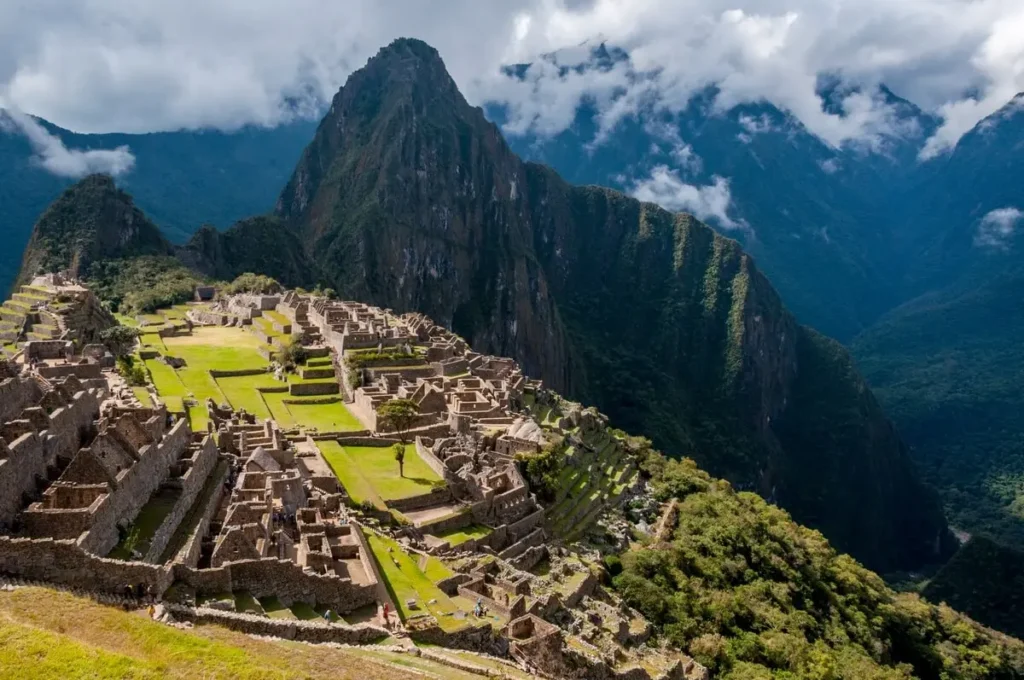
Machu Picchu, meanwhile, has its own demands: altitude (the train arrives in Aguas Calientes at 2,040 meters, and Machu Picchu sits at 2,430 meters), physical exertion, early morning wake-ups, and the stimulation of significant tourist infrastructure. These are not conditions that support the receptive, settled state the ceremonial preparation requires.
The solution is not to avoid combining them — it is to plan them sequentially, with adequate buffer between, rather than interleaving them.
The Most Important Rule: Acclimatization First, Everything Else Second
Before either Machu Picchu or a ceremony, you need to acclimatize to Cusco’s altitude.
Cusco sits at 3,400 meters. The Sacred Valley, where ceremonies typically take place, sits at 2,800 meters. If you are arriving from sea level or low altitude — which describes most international visitors — your body needs two to three full days to adapt before undertaking either significant physical exertion or a demanding night ceremony.
Altitude sickness (soroche) typically peaks 12-24 hours after arrival and resolves for most healthy people within 48-72 hours with adequate rest, hydration, and coca leaf tea. Attempting a ceremony or a demanding hike while altitude-sick adds unnecessary physical stress to an already demanding experience.
The practical rule: land in Cusco, rest genuinely for two to three days, and only then begin the activities you came for.
During those acclimatization days, gentle exploration of Cusco city — the Plaza de Armas, the San Blas neighborhood, the ruins of Sacsayhuamán at a slow pace — is entirely appropriate. Save the Inca Trail and the night ceremony for after your body has adjusted.
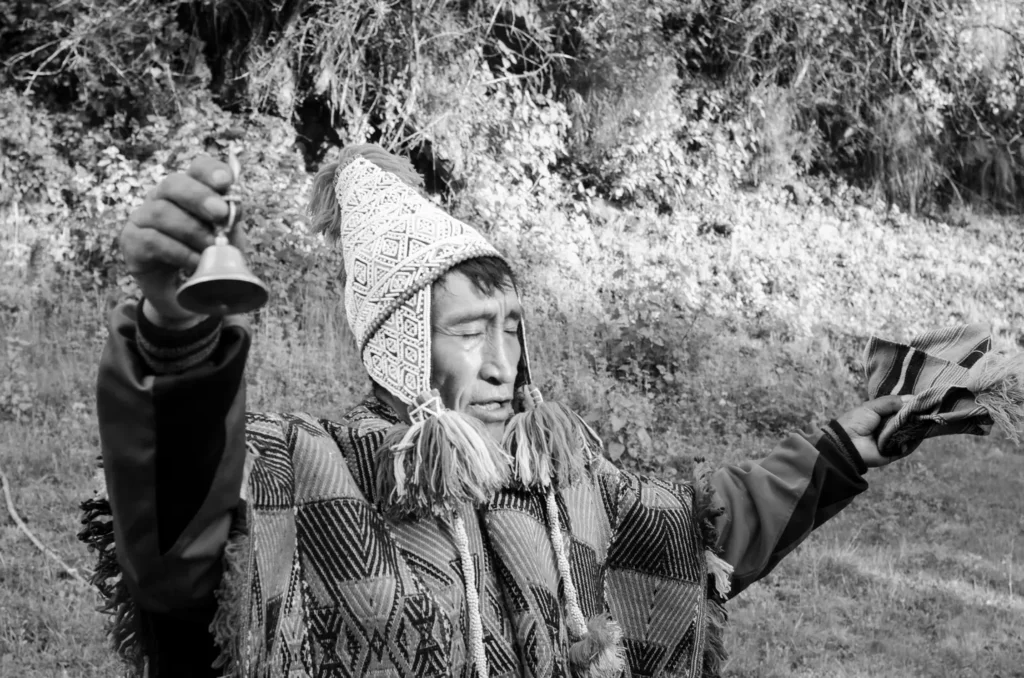
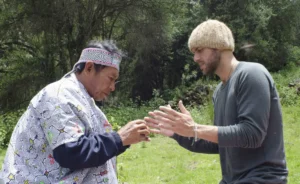
Shipibo shaman guiding ayahuasca retreat in Peru – Chamán shipibo ceremonia ayahuasca Perú
The Sequencing Decision: Machu Picchu Before or After the Retreat?
This is the planning question most visitors ask, and the answer has both practical and experiential dimensions.
The recommended sequence: Machu Picchu before the retreat.
Practical reasons:
The dietary preparation for an ayahuasca ceremony begins 3-7 days before the ceremony. During this preparation period, you want to be eating simply, sleeping well, reducing stimulation, and beginning to settle inward toward your intentions. This internal orientation is not compatible with the logistical demands and external stimulation of a Machu Picchu day trip — early trains, tourist crowds, physical exertion, and the general high-energy quality of visiting one of the world’s most visited sites.
Experiential reasons:
The integration period after a ceremony — particularly the first 2-3 days — is best spent in quiet, reflective, low-stimulation environments. A Sacred Valley ceremony followed by two days of gentle walking, journaling, and sitting with the landscape is ideal integration. A Machu Picchu visit 24 hours after an all-night ceremony is not.
Additionally, many participants find that visiting Machu Picchu after a retreat adds a quality of depth and presence to the experience — arriving at the sacred site with the heightened perceptual openness that lingers in the days after ceremony. If your schedule allows Machu Picchu after the retreat with adequate recovery time (at least 3 days between the last ceremony and the Machu Picchu visit), this sequence has genuine merit.
The exception: when Machu Picchu must come after.
If your specific travel constraints make Machu Picchu after the retreat your only option — because of train reservations already made, tour group scheduling, or other fixed commitments — it is manageable provided you allow at minimum 3 days between the last ceremony and the Machu Picchu visit. The night of the ceremony and the following day are recovery time; day 2 is integration; day 3 onwards you can begin to re-engage with physical activity and tourist experiences.
How Many Days Do You Actually Need?
This is the question most visitors underestimate. Here is the honest accounting:
| Phase | Days Required |
| Arrival + acclimatization in Cusco | 2–3 days |
| Sacred Valley / Machu Picchu visit | 1–2 days |
| Dietary pre-ceremony preparation | 2–3 days (overlaps with Cusco time) |
| Ceremony (1-night) | 1 day |
| Post-ceremony recovery and integration | 2–3 days |
| Total minimum | 7 days |
| Comfortable combined experience | 10 days |
| Full experience with integration | 12–14 days |
The 7-day minimum is genuinely tight. It works for participants who are disciplined about the sequencing and have no major logistical complications. The 10-day version allows everything to breathe properly. Fourteen days is what allows for a multi-day retreat, Machu Picchu, Sacred Valley exploration, and adequate integration.
The 7-Day Itinerary: Tight but Doable
For visitors whose total Peru time is one week, this structure works if followed precisely.
Day 1: Arrive Cusco. Rest completely. Coca leaf tea, light food, early sleep. No major activities.
Day 2: Continue acclimatizing. Gentle Cusco city exploration at a slow pace — cathedral, Qorikancha, central market. Begin dietary preparation (no alcohol, reducing processed food, eating simply).
Day 3: Sacred Valley day trip. Visit Pisac ruins and market, Ollantaytambo, Moray. This acclimatizes at slightly lower altitude while beginning to connect with the ceremonial landscape. End the day back in Cusco or stay in the valley. Full dietary preparation in effect.
Day 4: Machu Picchu. Train from Ollantaytambo or Poroy to Aguas Calientes (90 minutes). Bus up to Machu Picchu for a 3-4 hour guided visit. Return train to Cusco in the evening. Arrive Cusco tired but satisfied.
Day 5: Rest day — critical buffer before the ceremony. Light food, no alcohol, journaling, early night. This is the most important day for setting the ceremonial container.
Day 6: Ceremony. Transfer to retreat center in the Sacred Valley. Pre-ceremony rituals, coca leaf reading, evening ceremony. Sleep at the retreat center.
Day 7: Integration morning. Morning integration circle with the facilitation team. Light breakfast. Return to Cusco. Flight in the evening if necessary — though a mid-afternoon flight after a ceremony night is tight and stressful. If flying home on day 7, book an evening departure and allow the full morning for recovery.
What makes this work: Machu Picchu on day 4 ensures you are past the altitude adjustment, have experienced the sacred Inca landscape, and have a full day of buffer before the ceremony. The ceremony on day 6 leaves day 7 for initial integration before travel.
What makes this tight: One ceremony, minimal integration time, no flexibility for weather delays on the Machu Picchu day or unexpected physical recovery needs after the ceremony.
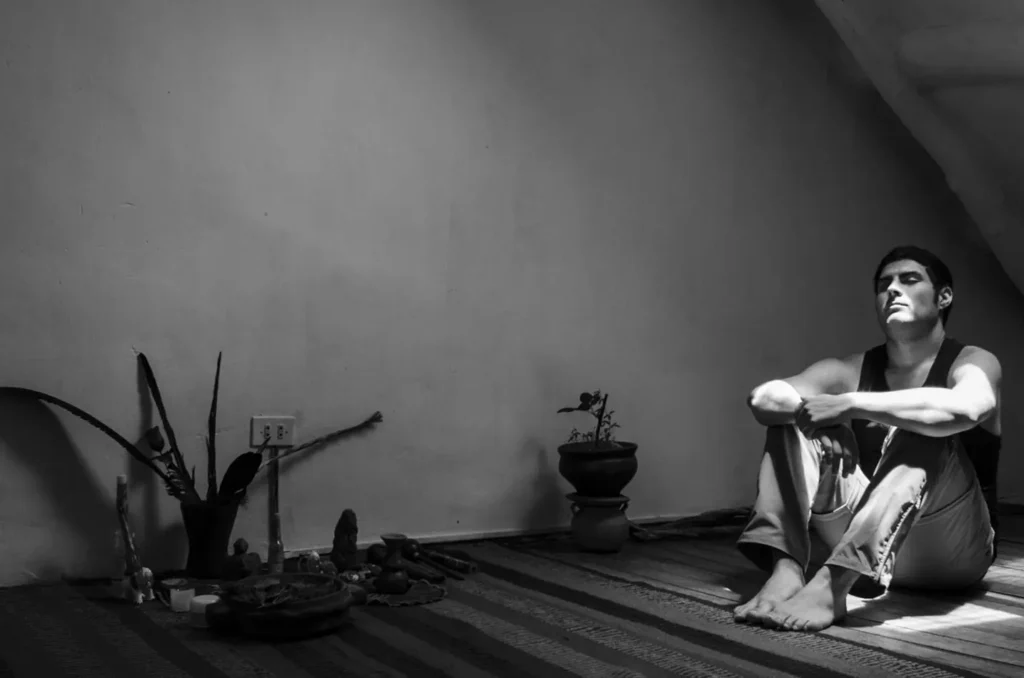
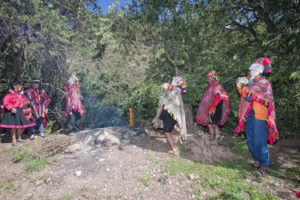
Healing center for Ayahuasca retreat in Cusco – Centro de sanación para retiro ayahuasca Cusco
The 10-Day Itinerary: The Most Complete Option
For visitors with ten days, the experience becomes genuinely rich.
Days 1–3: Arrive Cusco. Acclimatize properly. Explore the city gently. Begin dietary preparation from day 2. Day 3 includes a Sacred Valley day trip — Pisac and/or Moray — at an easy pace.
Day 4: Machu Picchu. Same logistics as above — train, guided visit, return. Accommodation either in Aguas Calientes (spend the night to catch sunrise, book separately) or same-day return to Cusco.
Day 5: Buffer day in Cusco or Sacred Valley. If you did Aguas Calientes overnight, this is the return day. Light activity — a morning walk, a visit to a craft market, time to settle before the ceremonial preparation intensifies.
Days 6–8: 3-day retreat (2 ceremonies). This is where the program deepens significantly. Two ceremonies with a full integration day between them allows the second night to build meaningfully on what the first opened. Morning integration circles after each ceremony. Meals at the retreat center.
Day 9: Integration day in the Sacred Valley. A slow morning, optional visit to a nearby Inca site at a gentle pace, journaling, time by the Urubamba. The landscape surrounding the Sacred Valley is an active integration resource.
Day 10: Return to Cusco and fly out. If flying internationally, book an afternoon or evening departure. The morning can be used for final journaling, a farewell walk, or a coca leaf tea at a Cusco café.
What this allows: A proper 3-day retreat with two ceremonies, a full Machu Picchu visit with leisure time, and a dedicated integration day before departure.
The 14-Day Itinerary: The Full Experience
With two weeks, the trip becomes a genuine healing and cultural immersion.
Days 1–3: Arrive, acclimatize. Cusco cultural exploration including Sacsayhuamán, Qorikancha, and San Blas neighborhood. Begin dietary preparation from day 2.
Days 4–5: Sacred Valley immersion. Stay in Pisac or Urubamba. Visit the ruins, walk the terraces, spend time by the Urubamba River. This is also excellent deeper acclimatization time and a natural connection to the ceremonial landscape.
Day 6: Machu Picchu. Sunrise entry (requires prior booking — book months in advance for peak season). Return to Sacred Valley for the afternoon.
Day 7: Rest and final preparation day before the retreat. Journaling, intention-setting, walking in nature.
Days 8–14: 7-day retreat with 3-4 ceremonies. Multiple ceremonies allow each night to build on the previous one, with full integration days between. The deepest work typically happens in the third and fourth ceremonies, which are only available in a longer program. Morning integration circles, Andean rituals, guided walks in the landscape.
What this allows: A complete 7-day immersion, a sunrise Machu Picchu visit, Sacred Valley cultural exploration, and adequate time for the integration process to establish itself before returning home.
Logistics You Need to Know
Machu Picchu tickets: Book well in advance — ideally 2-3 months ahead for peak season (June-August), and at minimum 2-4 weeks ahead for shoulder season. Tickets sell out. The official site is machupicchu.gob.pe. There are multiple circuits; Circuit 1 (the classic route) is the most commonly recommended for first-time visitors.
Trains: The train from Ollantaytambo to Aguas Calientes (the town at the base of Machu Picchu) runs several times daily and takes approximately 90 minutes. Peru Rail and Inca Rail are the two operators. Book in advance, particularly in high season.
Inca Trail: If the 4-day Inca Trail is part of your plan, note that it ends at Machu Picchu and requires significant physical preparation. Place the Inca Trail before any ceremony (not after), and allow at least 3 full days of rest between the final trekking day and the ceremony. The combination of altitude, physical depletion, and a demanding ceremony night is unmanageable without that buffer.
Retreat transfers: Our retreat center in the Huayllapampa area of the Sacred Valley includes transport from Cusco for all programs. Inform us of your travel dates and we coordinate accordingly.
Altitude medication: Some visitors take acetazolamide (Diamox) for altitude adjustment. Note that this medication is not on the contraindicated list for ayahuasca, but always disclose any medication to the retreat center before participating. If you are taking it, do not take it the day of or the day after the ceremony.
Frequently Asked Questions
Can I visit Machu Picchu the day after an ayahuasca ceremony?
No — not safely or enjoyably. The day immediately following an all-night ceremony requires rest and gentle integration. The physical demands of the Machu Picchu visit — early morning travel, altitude change, walking for several hours — combined with the physical and emotional state following ceremony would produce a miserable experience in both directions. Allow a minimum of 3 days between the last ceremony and the Machu Picchu visit if doing Machu Picchu after the retreat.
Can I do the Inca Trail before a ceremony?
Yes, but allow a minimum of 3 full rest days between the final day of trekking and the first ceremony night. The Inca Trail is physically demanding and leaves the body depleted. A ceremony while physically depleted is uncomfortable and reduces the depth of what is available. Book the trail for the beginning of your trip, rest afterward, and approach the ceremony from a recovered state.
Is 7 days enough for both Machu Picchu and an ayahuasca ceremony?
Yes, but the 7-day itinerary only accommodates a 1-day ceremony (one ceremony night). For a more complete ceremonial experience, 10 days allows for a 3-day retreat with two ceremonies. If you have fewer than 7 days, prioritize one experience or the other rather than attempting to compress both.
What if my Machu Picchu tickets are already booked for specific dates?
Work backward from those dates to plan your ceremony. If Machu Picchu is on day 4 of your trip, the ceremony should be on day 6 or 7 at the earliest. If your Machu Picchu is at the end of your trip, the ceremony should complete at least 3 days before your Machu Picchu date.
What should I do in the days between the ceremony and Machu Picchu?
If doing Machu Picchu after the retreat, those buffer days are integration days — not empty time. Walk in the Sacred Valley, visit Pisac or Moray at a gentle pace, journal, rest, continue the post-ceremony dietary protocol. Many participants describe these integration days in the Andean landscape as among the most meaningful of their entire trip.
Which programs at Ayahuasca Cusco work best for a combined Machu Picchu trip?
For visitors with 7-8 days: our 1-day ceremony gives a complete ceremonial experience within a tight itinerary. For 10 days: our 3-day retreat is the most popular option for travelers combining both experiences. For 14 days: our 5-day or 7-day retreat allows for the full ceremonial arc. Contact us with your specific travel dates and we’ll help you plan the sequencing.
Planning a Peru trip that includes both Machu Picchu and an ayahuasca ceremony? Contact us with your travel dates — we help participants plan the sequencing as part of our standard intake process, at no additional cost.
Our retreat programs: 1-Day Ceremony · 3-Day Retreat · 5-Day Retreat · 7-Day Retreat
Related reading: Where to Do Ayahuasca Retreat in Peru · Ayahuasca Retreat Sacred Valley Peru · How to Prepare for an Ayahuasca Retreat · Ayahuasca Retreat Cost Peru