
Most guides on ayahuasca contraindications publish a list. SSRIs, MAOIs, lithium, schizophrenia, cardiovascular disease — the names appear in a column, sometimes with a washout period attached, rarely with any explanation of why each one matters or how serious the risk actually is.
That approach leaves the reader with information but without understanding. And in a medical context — which this is — the difference between those two things matters. Someone who understands why fluoxetine and ayahuasca interact dangerously is far better positioned to make a responsible decision, have an honest conversation with their physician, and recognize whether their specific situation falls inside or outside the risk profile.
This article explains each contraindication with its mechanism, distinguishes between absolute and relative contraindications, and offers practical guidance for navigating borderline situations.
This content is educational and does not constitute medical advice. Always consult a qualified healthcare provider before making any decisions regarding medications or participation in plant medicine ceremonies.
Table of Contents
Why Almost All Contraindications Share One Root Cause
Understanding ayahuasca’s contraindications becomes significantly simpler once you understand the single pharmacological mechanism that drives nearly all of them.
The Banisteriopsis caapi vine — the base of the brew — contains a family of compounds called beta-carbolines: harmine, harmaline, and tetrahydroharmine. These compounds act as reversible inhibitors of monoamine oxidase A (MAO-A), an enzyme found throughout the gut, liver, and brain whose primary job is breaking down monoamine neurotransmitters — principally serotonin, norepinephrine, dopamine, and dietary tyramine — before they can accumulate to harmful levels.
This MAO-A inhibition is what makes ayahuasca work. Without it, DMT (the visionary compound from the Psychotria viridis chacruna leaf) would be broken down in the digestive system before reaching the brain. But the same inhibition that allows the medicine to function also means that any substance which raises serotonin, norepinephrine, or dopamine levels can accumulate far beyond what the body would normally allow.
The result, when the wrong substance is combined with ayahuasca, is excess monoamine activity — with consequences ranging from elevated heart rate and blood pressure to, at the severe end, serotonin syndrome or hypertensive crisis.
Nearly every medication on the contraindication list is there because of this one mechanism. Knowing that makes the list considerably more legible.
Ayahuasca Retreat in Cusco
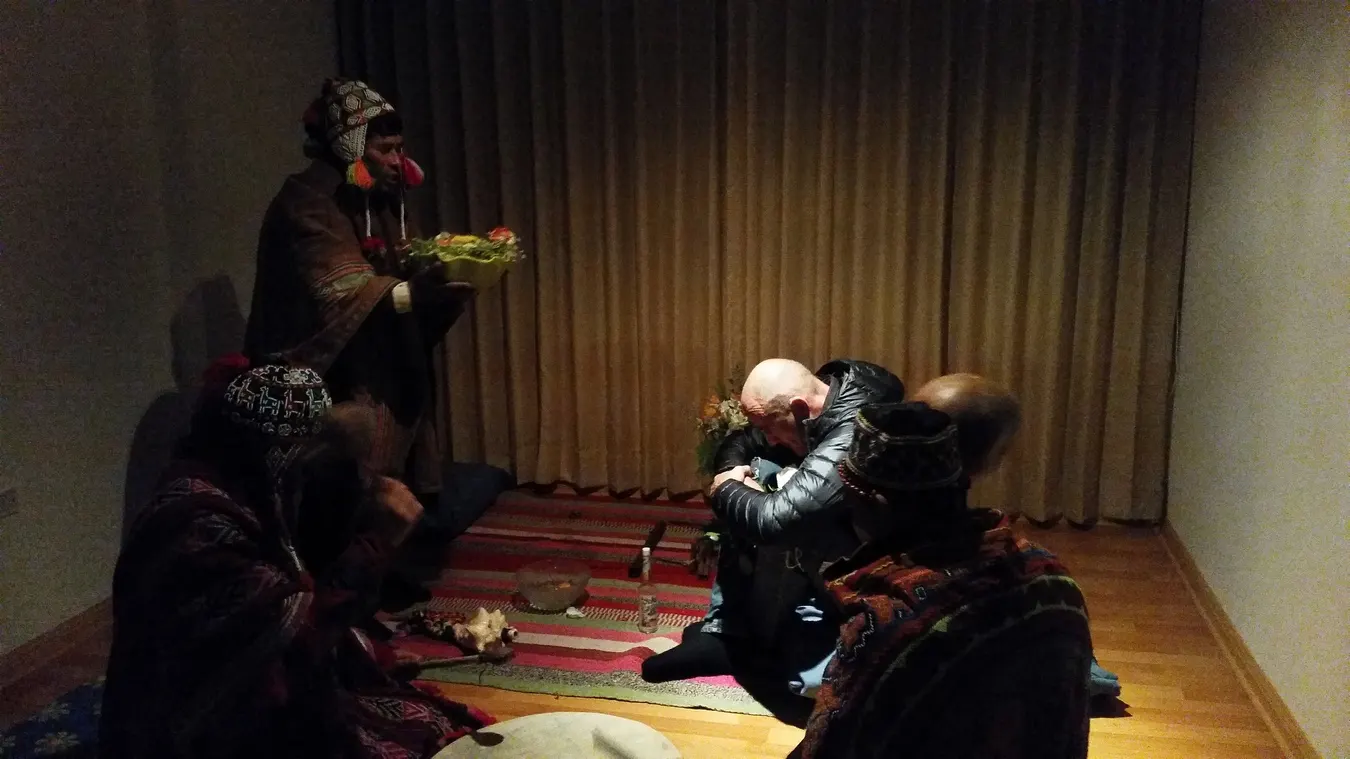
1 Day Ayahuasca Retreat Cusco
Designed for visitors with little time seeking a profound spiritual experience, the 1 Day Ayahuasca Retreat in Cusco, Peru is meant for them.
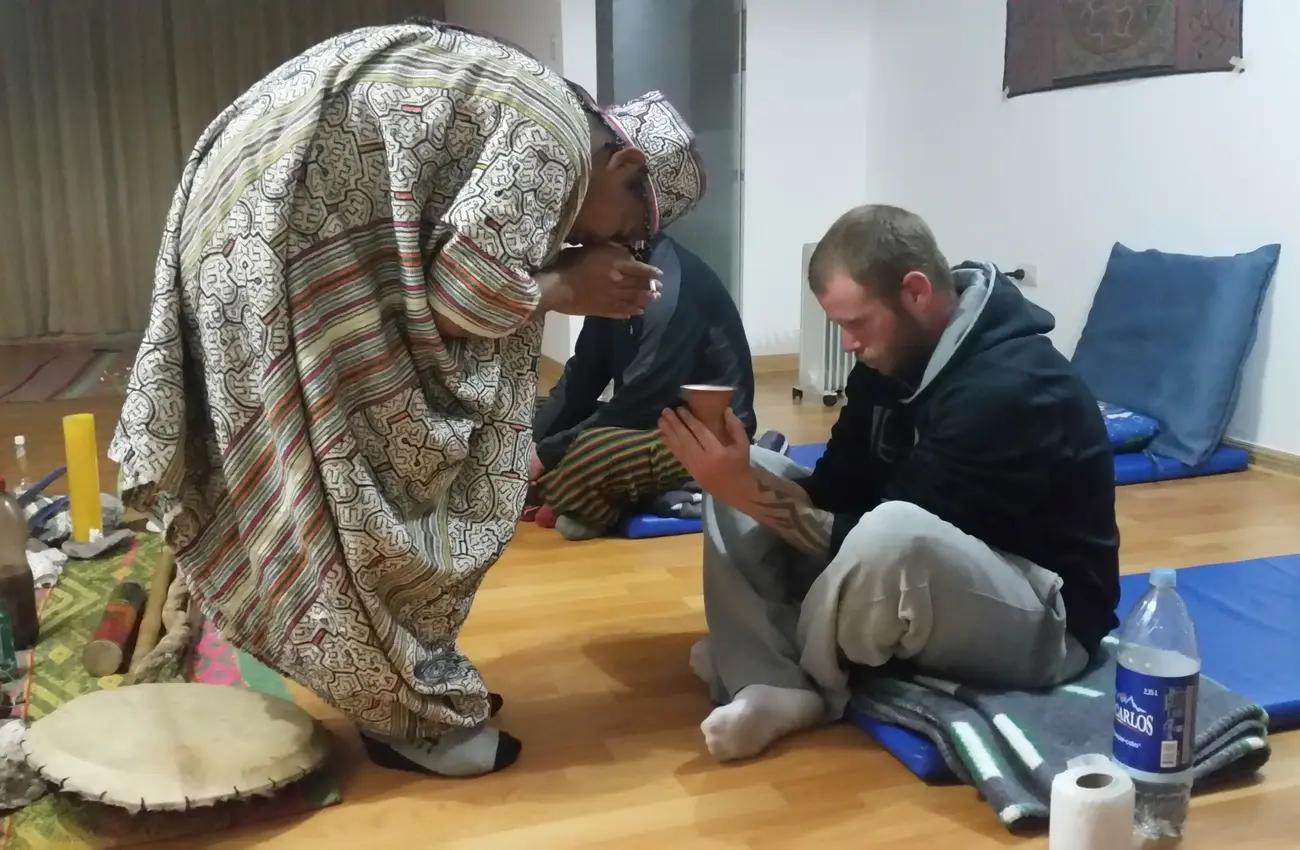
2 Day Ayahuasca Retreat Cusco
Our 2 Day Ayahuasca Retreat Cusco Peru offers a sacred space for those who seek profound healing and self-discovery in a short yet powerful journey.
Absolute vs. Relative: Understanding the Distinction
Not all contraindications carry the same weight, and treating them as equivalent creates unnecessary confusion.
Absolute contraindications are conditions or medications where participation carries a risk of serious harm — potentially life-threatening — regardless of how the ceremony is facilitated or how careful the preparation. These are firm stops, not invitations to negotiate.
Relative contraindications are situations that elevate risk without making participation categorically unsafe. They require individual assessment, medical clearance, careful screening by the retreat center, and skilled facilitation. They are not green lights — but they are also not the same as an absolute contraindication, and treating them as such excludes people who might genuinely benefit from ceremonial work.
The distinction matters practically. Someone with well-controlled hypertension and someone with uncontrolled hypertension following a recent heart attack are both “cardiovascular patients” — but their risk profiles are not remotely equivalent.
Medication Contraindications: The Complete List with Mechanisms
🔴 SSRIs, SNRIs, and Other Antidepressants — Absolute
Examples: Fluoxetine (Prozac), sertraline (Zoloft), escitalopram (Lexapro), paroxetine (Paxil), citalopram; venlafaxine (Effexor), duloxetine (Cymbalta); bupropion, mirtazapine, trazodone.
The mechanism: SSRIs and SNRIs block the reuptake of serotonin (and in the case of SNRIs, norepinephrine) from the synaptic cleft, raising their concentration. Combined with ayahuasca’s MAO-A inhibition — which simultaneously prevents serotonin from being broken down — and DMT’s direct activation of serotonin receptors, the effect is threefold amplification of serotonergic activity. The result can be serotonin syndrome.
Serotonin syndrome is a clinical triad of altered mental status (agitation, confusion), autonomic instability (hyperthermia, sweating, rapid heart rate, blood pressure instability), and neuromuscular abnormalities (tremor, clonus, rigidity). Severe cases involve temperatures above 41°C, seizures, muscle breakdown, and organ failure. It is a medical emergency.
A 2026 pharmacokinetic modeling study confirmed this interaction at the molecular level: fluoxetine and paroxetine — both strong inhibitors of the CYP2D6 enzyme that metabolizes harmine — increase harmine concentrations in the system, deepening the MAO-A inhibition and compounding the risk.
The washout requirement: The washout period for SSRIs is determined by the medication’s half-life — the time it takes for the blood concentration to halve. Most SSRIs require a minimum of two weeks after the last dose. Fluoxetine, which has an exceptionally long half-life, requires five to six weeks. Paroxetine, despite a shorter half-life, is a potent CYP2D6 inhibitor and requires careful tapering.
These windows must be completed under physician supervision. Never stop an antidepressant abruptly — the withdrawal effects (discontinuation syndrome) can be severe and destabilizing in their own right, completely separate from any ceremony concerns.
🔴 Pharmaceutical MAOIs — Absolute
Examples: Phenelzine, tranylcypromine, selegiline, isocarboxazid.
The mechanism: Pharmaceutical MAOIs produce the same type of inhibition as the beta-carbolines in ayahuasca — but typically stronger and potentially irreversible. Combining them with ayahuasca stacks two MAO inhibitors simultaneously, creating profound MAO-A suppression and an extremely high risk of serotonin syndrome or hypertensive crisis.
This is among the most dangerous potential combinations in the entire contraindication list. Minimum washout: two weeks for most pharmaceutical MAOIs.
🔴 Lithium — Absolute
The mechanism: Lithium does not primarily affect serotonin reuptake, which makes it different from the SSRIs on this list. Its danger is specific to psychedelics as a class and relates to neuronal excitability. Lithium modulates ion channels, GSK-3β signaling, and inositol pathways in ways that appear to lower the seizure threshold when combined with serotonin receptor agonists.
The data here is striking. A Johns Hopkins analysis of 62 online experience reports of lithium combined with classic psychedelics found that 47% involved seizures, with 39% requiring medical attention. This seizure rate is far higher than with any other drug combination in psychedelic research. Lithium is an absolute contraindication with no known safe threshold for combination.
Because lithium is primarily prescribed for bipolar disorder, patients face a double contraindication: the medication itself and the underlying condition.
🔴 Tricyclic Antidepressants — Absolute
Examples: Amitriptyline, clomipramine, imipramine, nortriptyline.
The mechanism: Several TCAs — particularly clomipramine and imipramine — have significant serotonin reuptake inhibition alongside their noradrenergic effects, producing a similar risk profile to SSRIs. All TCAs add noradrenergic load that compounds the cardiovascular effects of MAO-A inhibition. Clomipramine in particular is among the most serotonergic antidepressants available.
🔴 Tramadol — Absolute
The mechanism: Tramadol is unusual among opioids in having significant serotonin and norepinephrine reuptake inhibition — separate from its opioid receptor activity. Combined with MAO-A inhibition, this creates serotonin syndrome risk similar to SSRIs. Tramadol with pharmaceutical MAOIs has caused fatalities. The combination with ayahuasca carries the same underlying risk.
Other opioids (morphine, oxycodone, codeine) primarily carry risk of compounded sedation and respiratory depression rather than serotonin syndrome specifically, but should still be disclosed and assessed.
🔴 Stimulants — Absolute
Examples: Amphetamines, methamphetamine, methylphenidate (Ritalin, Concerta), cocaine, MDMA.
The mechanism: These substances release or block the reuptake of norepinephrine, dopamine, and (for MDMA) serotonin. With MAO-A inhibited, these monoamines cannot be broken down, risking hypertensive crisis, hyperthermia, and stroke. Documented fatalities from combinations of harmala alkaloids with MDMA and amphetamines exist in the literature. ADHD medications (Adderall, dextroamphetamine) fall into this category.
🔴 Dextromethorphan (DXM) — Absolute
The mechanism: DXM, found in many over-the-counter cough syrups and multi-symptom cold medications, acts as a serotonin reuptake inhibitor at the doses present in those products. It is also metabolized by CYP2D6 — the same enzyme that harmine inhibits — meaning DXM accumulates to higher levels when MAO-A is blocked. Combined with ayahuasca, it can produce serotonin syndrome, rapid heart rate, and elevated blood pressure.
The practical trap here is that DXM appears in branded medications that don’t advertise it prominently. Any product containing “DM,” “DX,” or “-tuss” in its name likely contains DXM and should be avoided.
🔴 Decongestants with Pseudoephedrine or Ephedrine — Absolute
The mechanism: These sympathomimetic amines stimulate norepinephrine release. With MAO-A inhibited and unable to break down that norepinephrine, the result can be hypertensive crisis — a sudden and dangerous spike in blood pressure. This applies to pseudoephedrine, ephedrine, and phenylephrine found in many cold and sinus medications.
🔴 St. John’s Wort and 5-HTP — Absolute
The mechanism: St. John’s Wort (Hypericum perforatum) has documented serotonin reuptake inhibiting activity, functioning similarly to a mild SSRI. 5-HTP (5-hydroxytryptophan) is a direct serotonin precursor: with MAO-A blocked, it floods the system with serotonin that cannot be broken down. Both are classified as absolute contraindications. Stop at least two weeks before any ceremony.
🟡 Cannabis — Relative (Washout Recommended)
The mechanism: Cannabis is not an MAO interaction risk. The concern is different: THC can amplify anxiety, paranoia, and — in vulnerable individuals — trigger psychotic reactions in combination with a psychedelic. Experience reports and clinical observations document psychotic episodes following combined ayahuasca and cannabis use, in some cases recurring specifically when cannabis was added to subsequent ceremonies. Most responsible centers request a washout of one month or more before ceremony.
🟡 Cardiovascular Medications — Requires Assessment
Beta-blockers, calcium channel blockers, and antihypertensives interact variably with ayahuasca’s sympathomimetic effects. The critical principle: do not abruptly stop cardiovascular medications. The goal is well-controlled blood pressure at the time of ceremony. Some medications in this category are contraindicated (notably those with MAO-like interactions); others require cardiology clearance rather than cessation. This category requires individual medical assessment rather than a blanket rule.
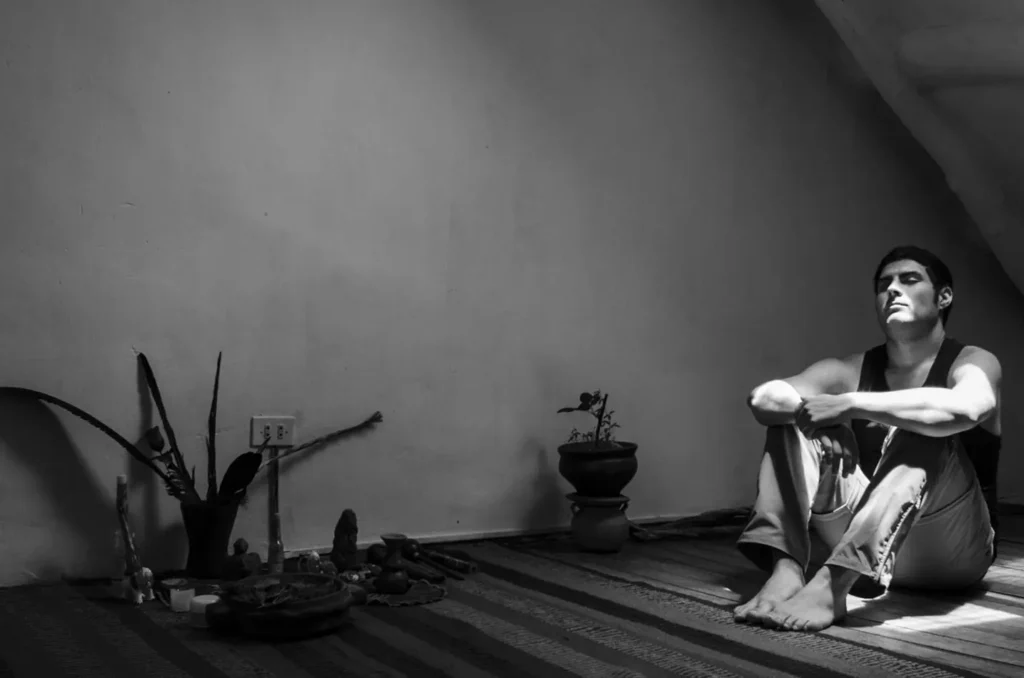
Healing center for Ayahuasca retreat in Cusco – Centro de sanación para retiro ayahuasca Cusco
Psychiatric Contraindications
🔴 Schizophrenia and Schizoaffective Disorder — Absolute
DMT activates 5-HT2A receptors — the same receptors implicated in psychotic symptoms. In people with schizophrenia or schizoaffective disorder, this activation can intensify hallucinations, delusions, and disorganized thinking. It can precipitate prolonged psychotic episodes that persist well beyond the pharmacological duration of the brew. This is an absolute contraindication with no known safe ceremonial context.
🔴 Personal or Family History of Psychosis — Absolute
A systematic review found that psychotic episodes associated with ayahuasca occur almost exclusively in people with a personal or family history of psychotic or manic disorders. The family history signal is strong enough that reputable centers — including Temple of the Way of Light — explicitly exclude participants with a family history of psychosis, not only a personal one.
🔴 Bipolar Disorder with Manic or Psychotic Features (Bipolar I) — Absolute
The combination of MAO-A inhibition (which functions similarly to antidepressants that can trigger manic switches), 5-HT2A agonism, and the intensity of the ceremonial experience creates real risk of precipitating a manic episode in people with Bipolar I. A documented case report describes a 30-year-old with a family history of Bipolar I developing a full manic episode within two days of a four-day ayahuasca ritual. Bipolar I is an absolute contraindication.
Bipolar II (relative): The evidence is less definitive for Bipolar II without psychotic features, and the question of whether blanket exclusion is always warranted is genuinely debated. The prudent position — and the one most reputable centers take — is to treat it as a contraindication pending thorough psychiatric evaluation. This should not be self-determined.
🔴 Active Suicidal Ideation — Absolute While Active
Active suicidal ideation is a contraindication at the time of participation, not a permanent exclusion. Stability comes first. It is worth noting that a history of depression, including severe depression, is not itself a contraindication — and the research on ayahuasca’s antidepressant effects specifically includes participants with significant depressive histories. The relevant distinction is current state, not history.
🔴 Active Psychosis — Absolute
Any person currently experiencing psychotic symptoms — regardless of underlying diagnosis — should not participate in ceremonial work until those symptoms have resolved and a period of stability has been established.
🟡 PTSD — Relative, Requires Careful Assessment
PTSD is not automatically contraindicated, and this is where the field’s position differs meaningfully from the rest of this list. Ayahuasca is actively researched as a PTSD treatment. The mechanism — surfacing emotional material and reducing its defensive charge — resembles exposure therapy in some respects.
However, unlike graded exposure therapy, ayahuasca cannot be titrated or stopped mid-session. Traumatic material may emerge with full intensity, without the graduated control of a therapeutic protocol. Data from the Global Ayahuasca Survey indicates people with PTSD histories were approximately 10% more likely than average to report dangerous experiences.
PTSD with a history of severe trauma requires trauma-informed facilitation, thorough pre-ceremony preparation, and honest assessment of whether the participant has the capacity to navigate what may arise. It is a relative contraindication that demands more from both the participant and the facilitation team — not a prohibition, but not a routine case either.
🟡 Severe Dissociative Disorders — Relative
The altered state produced by ayahuasca can amplify dissociation. People with severe dissociative identity disorder or depersonalization/derealization disorder require careful individual assessment before any ceremonial participation is appropriate.
Medical Contraindications
🔴 Pregnancy and Breastfeeding — Absolute
Animal studies have found dose-dependent developmental toxicity at roughly four times the ceremonial dose, including fetal skeletal changes and elevated maternal mortality. There is no human safety data, and no responsible framework permits this combination. Ayahuasca’s alkaloids cross into breast milk. Both conditions are absolute contraindications.
🔴 Severe or Uncontrolled Cardiovascular Disease — Absolute
Ayahuasca produces transient cardiovascular activation — a clinical study measuring effects at 0.85 mg DMT/kg found diastolic blood pressure rose approximately 9 mmHg at peak. Combined with sympathomimetic norepinephrine effects from MAO-A inhibition, uncontrolled hypertension, active arrhythmia, heart failure, recent myocardial infarction, and prior stroke are absolute contraindications. Well-controlled conditions require cardiology clearance rather than automatic exclusion.
🔴 Active Epilepsy and Seizure Disorders — Absolute
MAO-A inhibition plus 5-HT2A activation can lower the seizure threshold. The risk increases substantially when cannabis or lithium are also involved. People with active seizure disorders should not participate.
🔴 Severe Liver or Kidney Disease — Absolute
The beta-carboline alkaloids are metabolized hepatically and excreted renally. Impaired liver or kidney function extends and intensifies the brew’s effects in ways that cannot be predicted or controlled. Severe disease in either organ system is a contraindication.
🟡 Controlled Hypertension — Relative
Well-controlled blood pressure with stable medication is not an automatic exclusion but requires individual cardiovascular assessment. The key variables are: how controlled the blood pressure actually is, whether the specific antihypertensive medication interacts with the brew’s pharmacology, and whether the treating cardiologist considers participation appropriate.
🟡 Glaucoma — Relative
Listed as a contraindication by several established references based on the potential for sympathomimetic effects to raise intraocular pressure. The evidence base is thin, but caution is standard. Requires ophthalmology clearance.
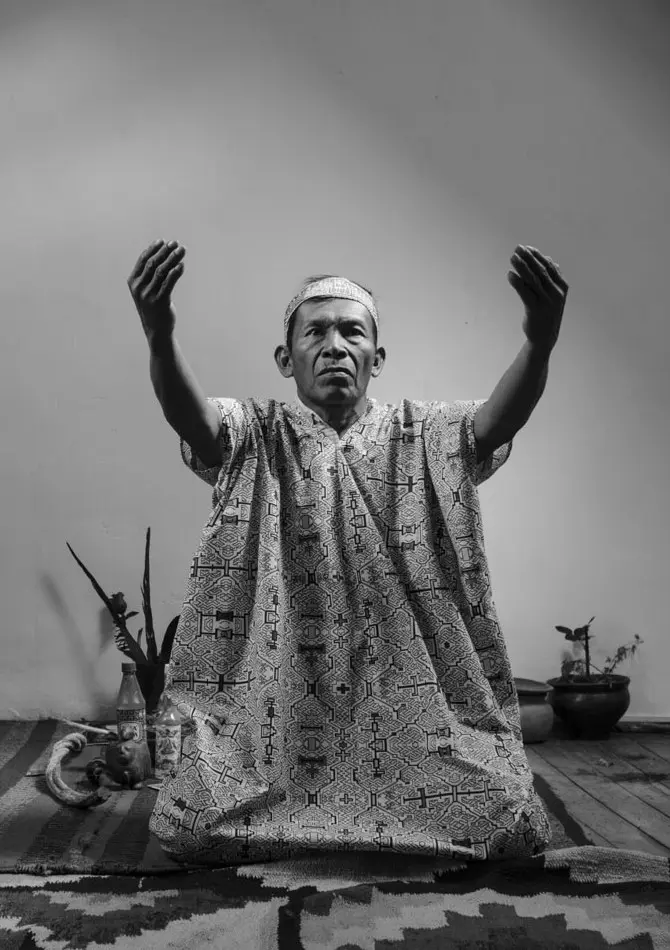
Ayahuasca retreat in Peru Sacred Valley – Retiro de ayahuasca en Cusco
Borderline Situations: How to Assess Your Own Case
If you have a condition or medication that falls in the relative category — or you are unsure where you fall — these questions help structure the assessment:
Is the condition currently stable? A well-managed condition with months of documented stability is a different situation from a recently diagnosed or fluctuating one. Stability over time matters.
Is the medication on the absolute list? If yes, the question is not whether to proceed but whether safe discontinuation under physician supervision is possible and appropriate. If no, the question becomes whether the underlying condition itself creates risk.
What does the retreat center’s medical advisor say? A responsible center will review complex cases with medical advisors — not just facilitators. If a center accepts your application without engaging with the complexity of your situation, that tells you something important about their screening process.
Has your treating physician been informed and consulted? This is not optional for borderline situations. Your psychiatrist or physician has clinical context about your specific history that a retreat center cannot replicate. Their assessment matters.
Can you be fully honest in the screening process? The 2026 JAMA Network Open study of 49 retreat organizations noted that all screening relied on self-report. The most important safety variable in the entire screening system is your own honesty — about your medications, your psychiatric history, and your family history. The consequences of concealment fall primarily on you.
How to Talk to Your Psychiatrist or Physician
This conversation is one that many people avoid — either from embarrassment about the nature of what they are considering, or from anticipating a reflexive negative response. A few principles help make it more productive.
Be specific about what you’re asking. “I’m considering participating in an ayahuasca ceremony in Peru, which involves consuming a brew that acts as a reversible MAO-A inhibitor. I want to understand whether my current medications or health history create specific risks, and if tapering is appropriate, how to do it safely.” This framing provides the clinical information the physician needs to give you a useful answer rather than a reflexive one.
Ask about mechanism, not just permission. The most useful information your physician can give you is not yes or no but why — specifically, how your medication or condition interacts with the brew’s pharmacology. That understanding allows you to make an informed decision.
Ask about washout specifically. If your physician agrees tapering is appropriate, ask for a specific timeline based on your medication’s half-life and your dose history. Not a general estimate — a specific plan with clear endpoints and monitoring.
Ask whether stopping is safe at all. For some people and some medications, even a supervised taper is not safely achievable. That answer matters and should come from your physician, not a retreat center.
Understand that a physician’s reluctance is not necessarily prohibition. Physicians in most countries have received no training on psychedelic medicine and may respond with caution that reflects unfamiliarity rather than clinical assessment. If you receive a reflexive “no,” asking for the specific mechanism of concern gives you more useful information than a categorical response.
What Responsible Medical Screening Looks Like
Not all retreat centers screen with the same rigor, and the quality of the screening directly affects your safety. A 2026 JAMA Network Open study analyzing 49 psychedelic retreat organizations found that while all collected some health information, only 73.5% had clear exclusion criteria, only 87.8% required medication washout, and just 30.6% offered structured preparation activities. The variability is significant.
What responsible screening includes:
A detailed questionnaire covering all current and recent medications, supplements, herbal products, psychiatric history, family psychiatric history, cardiovascular history, and prior ceremonial experience. A questionnaire that takes two minutes to complete is not thorough screening.
An individual review of your completed intake by someone with medical knowledge — not an automated system. Complex cases should involve a medical advisor, not just a facilitator reading a form.
Specific washout guidance tied to your actual medications, paired with a clear instruction to taper under your physician’s supervision rather than independently.
The willingness to decline your application. A center that accepts everyone is not screening — it is collecting bookings. A center that has turned people away is one that takes its exclusion criteria seriously.
At Ayahuasca Cusco, every participant completes a detailed health intake before any booking is confirmed. We review each intake individually, consult medical advisors for cases involving psychiatric history or multiple medications, and will always tell a prospective participant honestly if we believe our program is not appropriate for their current situation. We also encourage every participant with a medical question to contact us directly before completing an intake — a preliminary conversation costs nothing and can clarify whether a formal application makes sense.
Frequently Asked Questions
What is the most dangerous drug combination with ayahuasca?
The combinations carrying the highest risk of life-threatening outcomes are SSRIs/SNRIs combined with ayahuasca (serotonin syndrome risk), tramadol combined with ayahuasca (serotonin syndrome risk), pharmaceutical MAOIs combined with ayahuasca (compounded MAO inhibition), and lithium combined with any classic psychedelic (documented 47% seizure rate in experience report analyses). Any of these combinations in the absence of appropriate washout should be treated as a medical emergency risk, not a precaution.
How long do I need to stop my SSRI before an ayahuasca ceremony?
The washout period is determined by your specific medication’s half-life. Most SSRIs require a minimum of two weeks after the last dose. Fluoxetine (Prozac), with its unusually long half-life, requires five to six weeks. Paroxetine (Paxil) requires careful tapering due to its potent CYP2D6 inhibition. These windows must be completed under physician supervision — never stop an antidepressant abruptly. Your prescribing physician should determine the specific timeline and monitoring plan for your situation.
Can I participate in an ayahuasca ceremony if I have PTSD?
PTSD is a relative contraindication, not an absolute one. The medicine is actively researched as a therapeutic tool for trauma. However, the ceremonial context cannot be graded or stopped mid-session, which means traumatic material can surface with full intensity. Participation is potentially appropriate for people with PTSD who are in a stable state, have done preparatory therapeutic work, and are working with a retreat center that has trauma-informed facilitation and strong integration support. It requires honest self-assessment and thorough screening — not a casual decision.
Does bipolar disorder automatically disqualify me from ayahuasca?
Bipolar I, particularly with a history of mania or psychosis, is an absolute contraindication. Bipolar II without psychotic features occupies more contested territory — it is treated as a contraindication by most reputable centers pending thorough psychiatric evaluation, but the evidence base for blanket exclusion in all cases is less definitive. If you have a bipolar diagnosis, that conversation belongs with your psychiatrist first and a retreat center second. Do not self-assess on this.
Is controlled high blood pressure a contraindication?
Controlled hypertension is a relative contraindication requiring cardiovascular assessment, not an automatic exclusion. The key factors are how well-controlled your blood pressure actually is, whether your antihypertensive medication interacts with ayahuasca’s pharmacology, and whether your treating cardiologist considers participation appropriate. Uncontrolled hypertension or a recent cardiac event is an absolute contraindication.
What happens if I don’t disclose a contraindicated medication?
The most serious consequence falls on you. The MAO-A inhibition from ayahuasca is present regardless of whether you disclosed your medication — the pharmacological interaction happens whether or not the facilitation team knows about it. Concealing a contraindicated medication removes the possibility of anyone intervening appropriately if something goes wrong during the ceremony. It also places the facilitation team in the position of managing a medical situation without the information they need. Honest disclosure is not a bureaucratic requirement. It is the primary safety mechanism in a system that relies almost entirely on self-report.
If you have a medical condition, psychiatric history, or medication situation you want to discuss before completing a full intake, contact us directly. We answer these questions honestly — which sometimes means telling someone that our program is not appropriate for their current situation. That conversation is always better before a booking than after.
Related reading: Is Ayahuasca Safe? · Ayahuasca Diet · How to Prepare for an Ayahuasca Retreat · Benefits of Ayahuasca
MEDICAL DISCLAIMER
This article is for educational purposes only and does not constitute medical advice. Ayahuasca contains compounds that interact with certain medications and medical conditions. Always consult a qualified healthcare provider before making any decisions about participation in plant medicine ceremonies or changing any prescription medication.