Is ayahuasca safe? An honest, evidence-based guide covering real risks, medical contraindications, drug interactions, psychological dangers, and how to choose a safe retreat.
The question deserves a real answer — not a reassurance designed to convert you into a booking, and not a fear-based dismissal that ignores decades of traditional use and a growing body of clinical research. Both versions exist in abundance online. This guide attempts something more useful: an honest account of what the evidence actually shows, what the genuine risks are, who they apply to, and how they can be meaningfully reduced.
The short answer is this: for healthy individuals without contraindicated medications or psychiatric conditions, participating in a well-facilitated ayahuasca ceremony with proper screening carries a relatively low risk of serious harm. The most dangerous situations involve people who should not be participating in the first place, in settings where no one asked the right questions beforehand. Those two variables — who participates and in what context — explain the overwhelming majority of serious incidents.
Understanding those variables in detail is what makes the difference between an informed decision and a gamble.
Table of Contents
Why “Safe or Unsafe” Is the Wrong Question
Safety is not a fixed property of ayahuasca as a substance. It is a function of who takes it, in what context, with what preparation, under what facilitation, and with what medical history.
The same brew, in a ceremony led by an experienced shaman with proper screening, adequate facilitation staff, and clear emergency protocols, carries a very different risk profile than the same brew consumed in an unvetted setting by someone on antidepressants who found the ceremony through a WhatsApp group.
This distinction is not semantic. It explains why the research literature consistently finds that serious adverse events are rare in well-run ceremonial contexts, while documented incidents — including deaths — cluster almost entirely around situations involving contraindicated medications, absent medical screening, and inadequate facilitation.
Yaogara, a harm reduction organization that has worked with hundreds of retreat participants, frames it precisely: the risks associated with ayahuasca come from three sources — the brew itself, the person drinking it, and the context in which it is consumed. When all three are appropriately managed, the risk picture is substantially different from when any one is neglected.
The question worth asking, then, is not whether ayahuasca is safe in the abstract. It is whether the specific situation you are considering — your health status, your medications, the center you’re evaluating, the screening and facilitation they provide — constitutes a low-risk or high-risk context. That question has a practical and specific answer.
Ayahuasca Retreat in Cusco
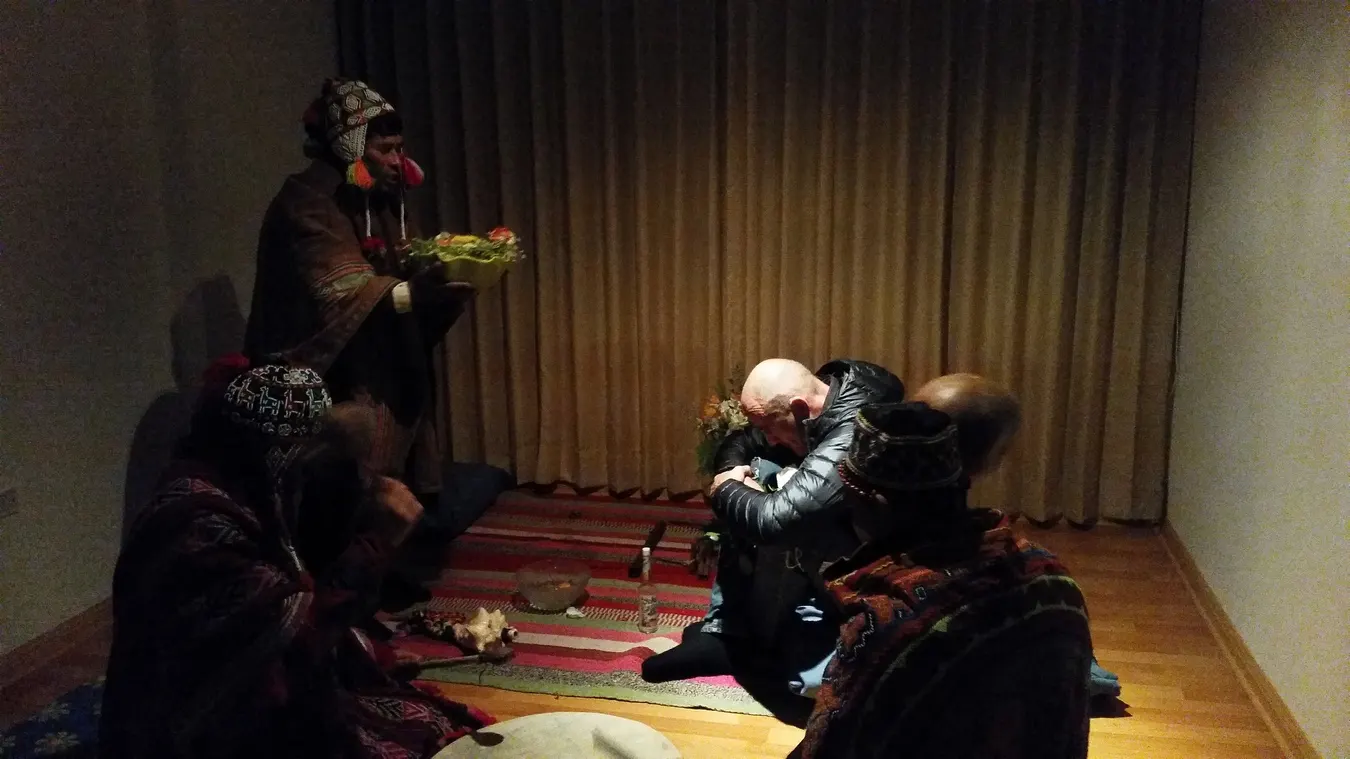
1 Day Ayahuasca Retreat Cusco
Designed for visitors with little time seeking a profound spiritual experience, the 1 Day Ayahuasca Retreat in Cusco, Peru is meant for them.
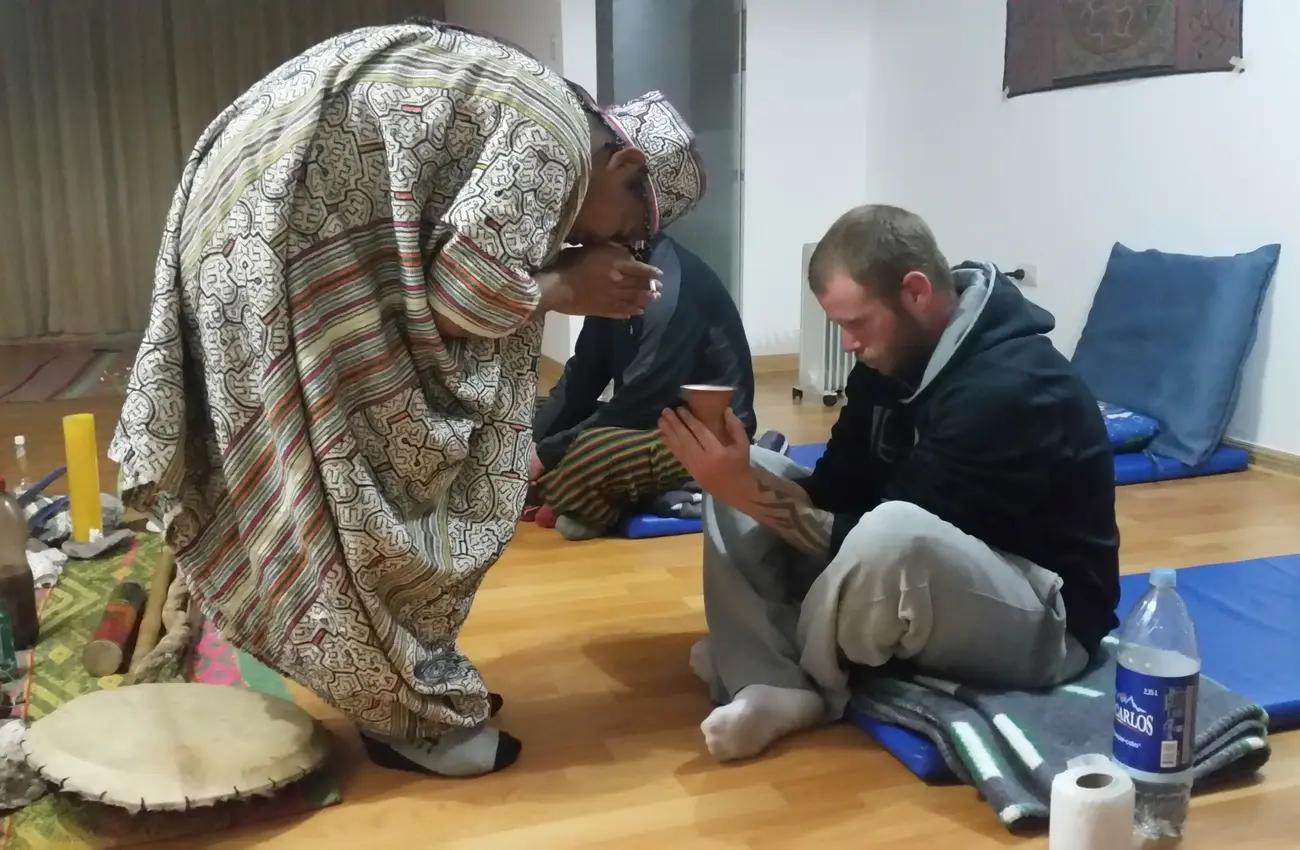
2 Day Ayahuasca Retreat Cusco
Our 2 Day Ayahuasca Retreat Cusco Peru offers a sacred space for those who seek profound healing and self-discovery in a short yet powerful journey.
What the Research Actually Shows (2025–2026)
The scientific literature on ayahuasca safety has grown substantially in recent years. The findings are nuanced enough to resist simple summary, but several points emerge consistently.
In healthy populations with appropriate screening, serious adverse events are rare. Dr. David Streem of the Cleveland Clinic, reviewing available evidence, described the risk of complications from ayahuasca use “in a clinical or research setting” as “quite low.” The majority of participants in well-designed studies complete ceremonies without serious physical or psychiatric harm.
Challenging psychological experiences are common and are not the same as harm. Approximately 55–60% of participants report some form of difficult psychological material — intense fear, confrontation with painful memories, emotional overwhelm — during or after a ceremony. Research published in Scientific Reports and Frontiers in Psychology consistently finds that these challenging experiences, when held in appropriate ceremonial contexts, are frequently associated with positive long-term mental health outcomes. Fear during a ceremony does not equal harm. The distinction matters.
A small percentage experience persisting negative effects. Long-term studies identify a subset of participants — typically those with pre-existing psychiatric vulnerabilities or who participated in poorly facilitated ceremonies — who experience lasting anxiety, disorientation, or destabilization. These cases are not common, but they are real, and they underscore the importance of proper screening and facilitation.
The most preventable harm involves drug interactions. A 2026 paper in JAMA Network Open examining safety practices across 49 publicly advertised psychedelic retreat organizations found that 87.8% of centers require or recommend stopping certain medications before ceremonies — specifically because of documented dangerous interactions. The interaction between ayahuasca’s MAO inhibitors and serotonergic medications is the most significant preventable safety risk in the field.
Outcome variability is large. The 2026 global field report from Weles Group, reviewing research from 2025–2026, concluded that “the strongest research signal in this period is variability: outcomes and after-effects differ by person and context, and retreat safety practices are inconsistent.” The literature supports nuanced risk framing — not a blanket safe or dangerous label.
Physical Risks: What Can Happen to the Body
The physical effects of ayahuasca are significant and should be understood clearly before participating.
Nausea and vomiting occur in approximately 65–70% of participants. This is the most common physical experience and is generally self-limiting — it resolves within the ceremony without medical intervention. The traditional understanding of purging as a form of cleansing is not contradicted by the physiological reality: most participants feel significantly better immediately after.
Cardiovascular activation. Ayahuasca produces measurable increases in heart rate and blood pressure during the peak of its effects, typically in the range of 10–20 bpm heart rate elevation and moderate blood pressure increase. For healthy individuals without cardiovascular conditions, this is well-tolerated and resolves without intervention. For people with underlying heart disease, uncontrolled hypertension, or other cardiovascular vulnerabilities, it represents genuine risk. Dr. Streem notes that “elevated heart rate and blood pressure indicate increased stress on the heart, which increases the risk of heart attack” in vulnerable individuals.
Dehydration can result from sustained vomiting and sweating during ceremony, particularly at altitude. This is manageable with appropriate hydration before and careful monitoring during.
Thermoregulation changes. Body temperature can shift during the peak of the experience. In cold settings — including the Andean highlands at night — this requires appropriate provision of warmth. Well-run centers anticipate and address this.
Diarrhea is less common than vomiting but occurs in some participants, particularly when dietary preparation has been incomplete. It generally resolves without medical intervention.
Seizures have been reported in very rare cases, almost always in individuals with pre-existing seizure disorders or involving substances that lower seizure threshold. This is a specific contraindication, not a general risk.
Death has occurred in documented cases associated with ayahuasca ceremonies. It is important to be clear about the circumstances of these deaths: the majority involve identified contraindicated medications (particularly serotonin syndrome from SSRI interactions), unscreened participants with serious pre-existing cardiovascular conditions, or the presence of additional substances (notably toé/scopolamine, which some unscrupulous operators add to the brew). Deaths in well-facilitated ceremonies with proper screening are extraordinarily rare. They are not impossible, and honest guidance acknowledges this — but the risk category they belong to is primarily the category of preventable harm through appropriate screening and facility quality.
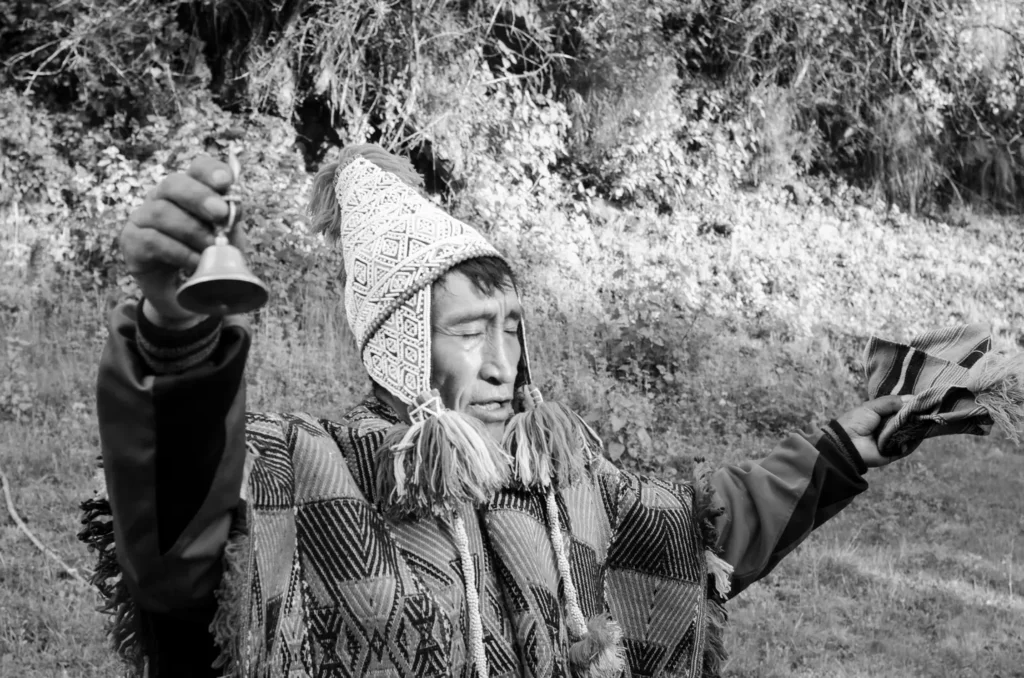
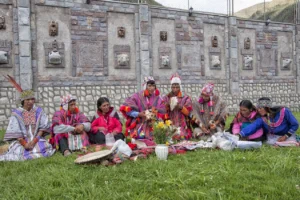
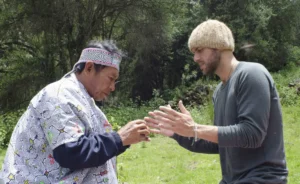
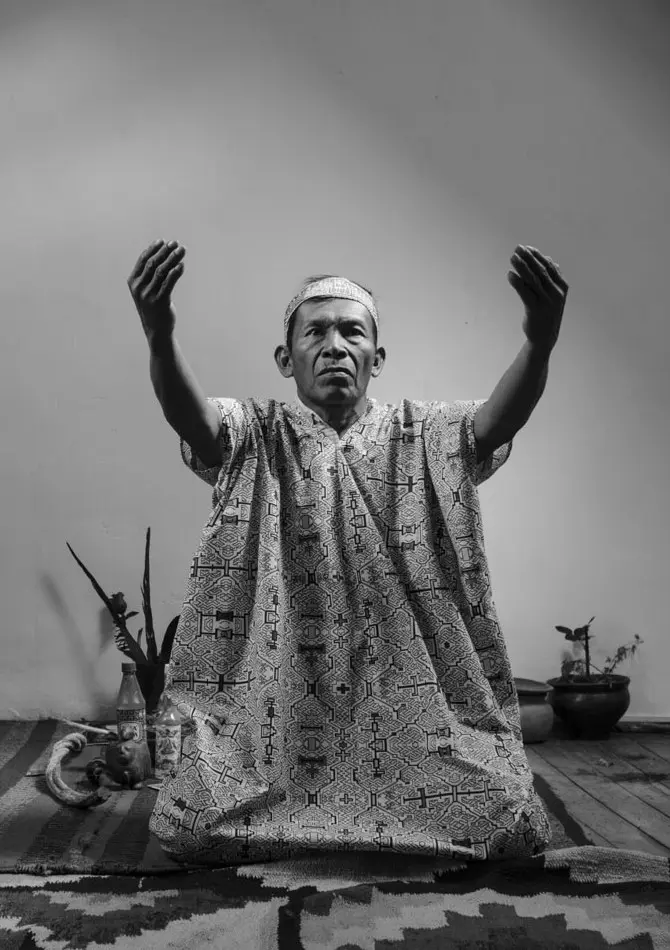
Shipibo shaman guiding ayahuasca retreat in Peru – Chamán shipibo ceremonia ayahuasca Perú
The MAOI Interaction: The Most Preventable Danger
This is the safety issue most deserving of clear, detailed explanation — because it is both the most serious and the most preventable.
Banisteriopsis caapi contains beta-carboline alkaloids — primarily harmine, harmaline, and tetrahydroharmine — that act as reversible inhibitors of monoamine oxidase A (MAO-A). This is what allows the DMT in ayahuasca to become orally active: MAO-A normally breaks down DMT in the digestive system before it can reach the brain.
MAO-A also normally breaks down serotonin and other monoamine neurotransmitters. When MAO-A is inhibited by ayahuasca and a person simultaneously takes a medication that increases serotonin activity — SSRIs, SNRIs, MAOIs, tricyclics, and certain other agents — the result is excess serotonin accumulation.
Serotonin syndrome is the clinical term for what happens when serotonin levels become dangerously elevated. Symptoms progress through three stages:
Mild: Tremor, tachycardia (elevated heart rate), diaphoresis (sweating), mydriasis (pupil dilation), intermittent tremors
Moderate: Hyperthermia (elevated body temperature), hyperreflexia (exaggerated reflexes), agitation, clonus (rhythmic muscle contractions)
Severe: Hyperthermia exceeding 41°C, rhabdomyolysis (muscle breakdown), metabolic acidosis, seizures, renal failure, cardiovascular instability
Severe serotonin syndrome is life-threatening and requires emergency medical intervention. The interaction between ayahuasca and SSRIs is not theoretical — it is documented in clinical reports and the 2026 pharmacokinetic modeling study published in JAMA Network Open specifically predicted “clinically meaningful interactions” between ayahuasca alkaloids and SSRIs including fluoxetine and paroxetine.
This is why the medication screening process at responsible retreat centers is not a formality. It is a genuine medical safety measure. And it is why anyone on antidepressants who wants to participate in an ayahuasca ceremony must work with their prescribing physician on an appropriate tapering and washout protocol — a process that typically takes weeks to months, not days.
Complete Medication Contraindication List
The following medications are contraindicated with ayahuasca. This list is not exhaustive — always disclose every medication you take to your retreat center for individual assessment.
🔴 Absolute Contraindications (Do Not Combine)
Antidepressants:
- SSRIs: fluoxetine (Prozac), sertraline (Zoloft), escitalopram (Lexapro), paroxetine (Paxil), citalopram, fluvoxamine
- SNRIs: venlafaxine (Effexor), duloxetine (Cymbalta), desvenlafaxine
- MAOIs (pharmaceutical): phenelzine, tranylcypromine, selegiline, isocarboxazid
- Tricyclic antidepressants: amitriptyline, clomipramine, imipramine
- Other antidepressants: bupropion, mirtazapine, trazodone
Mood stabilizers:
- Lithium
Stimulants:
- Amphetamines, methylphenidate (Ritalin, Concerta), cocaine
Opioids:
- Tramadol (significant serotonergic activity)
- Meperidine (pethidine)
Supplements:
- St. John’s Wort (Hypericum perforatum)
- 5-HTP (5-Hydroxytryptophan)
- High-dose tryptophan supplements
🟡 Require Medical Evaluation and Center Assessment
Cardiovascular medications:
- Certain beta-blockers and calcium channel blockers
- Some ACE inhibitors and ARBs
- Antiarrhythmic medications
Respiratory:
- Some asthma inhalers (particularly those containing sympathomimetics)
Pain management:
- Some opioids other than tramadol (depending on specific agent)
- Certain migraine medications (triptans)
Neurological:
- Anticonvulsants / antiepileptics
- Some antihistamines and decongestants (particularly those containing pseudoephedrine or ephedrine)
- Carbamazepine
Gastrointestinal:
- Metoclopramide (has dopaminergic/serotonergic activity)
Over-the-counter:
- DXM (dextromethorphan, found in many cough syrups)
- Certain cold and flu medications
The rule: If you take any prescription medication, over-the-counter drug, or supplement regularly, disclose it fully. Do not assume something is safe because it is not on this list. A responsible center will review your complete medication list with medical advisors.
Psychiatric Contraindications: Who Should Not Participate
Several psychiatric conditions make ayahuasca participation inappropriate, and these contraindications are not about stigma — they reflect the specific ways the medicine interacts with certain neurological states.
Schizophrenia and schizoaffective disorder. Ayahuasca’s effects on serotonin and dopamine systems can trigger or amplify psychotic episodes in individuals with these conditions. This risk is sufficiently serious and consistent in the literature to constitute an absolute contraindication.
Bipolar disorder with psychotic features. Individuals with a history of manic episodes involving psychosis are at elevated risk of triggering similar states under ayahuasca. Bipolar disorder without psychotic features requires careful individual assessment rather than automatic exclusion — but full disclosure is mandatory.
Active psychosis. Someone currently experiencing psychotic symptoms should not participate in any ceremonial plant medicine work. Stability comes first.
Personal or family history of psychosis. A family history of schizophrenia or psychotic disorders, even without personal history, is a risk factor that requires disclosure and careful evaluation.
Active suicidal ideation. This is not a permanent exclusion but a current-state contraindication. Active suicidal ideation requires stabilization before ceremonial work can be considered.
Severe dissociative disorders. The altered state of consciousness produced by ayahuasca can amplify dissociation in individuals with severe dissociative conditions. This requires careful individual assessment.
Borderline personality disorder in acute crisis. BPD without acute crisis is not an absolute contraindication, but the emotional intensity of ceremony requires that the individual be in a relatively stable state and that the facilitation team be experienced with this population.
The nuance worth stating clearly: Having a mental health diagnosis does not automatically preclude participation. Many people with histories of depression, anxiety, PTSD, and even carefully managed psychiatric conditions have participated in ayahuasca ceremonies with positive outcomes. The contraindications above relate to specific conditions and states where the risk of serious harm is substantially elevated. Individual assessment by a qualified practitioner — ideally in collaboration with your existing mental health care provider — is the appropriate pathway when any doubt exists.
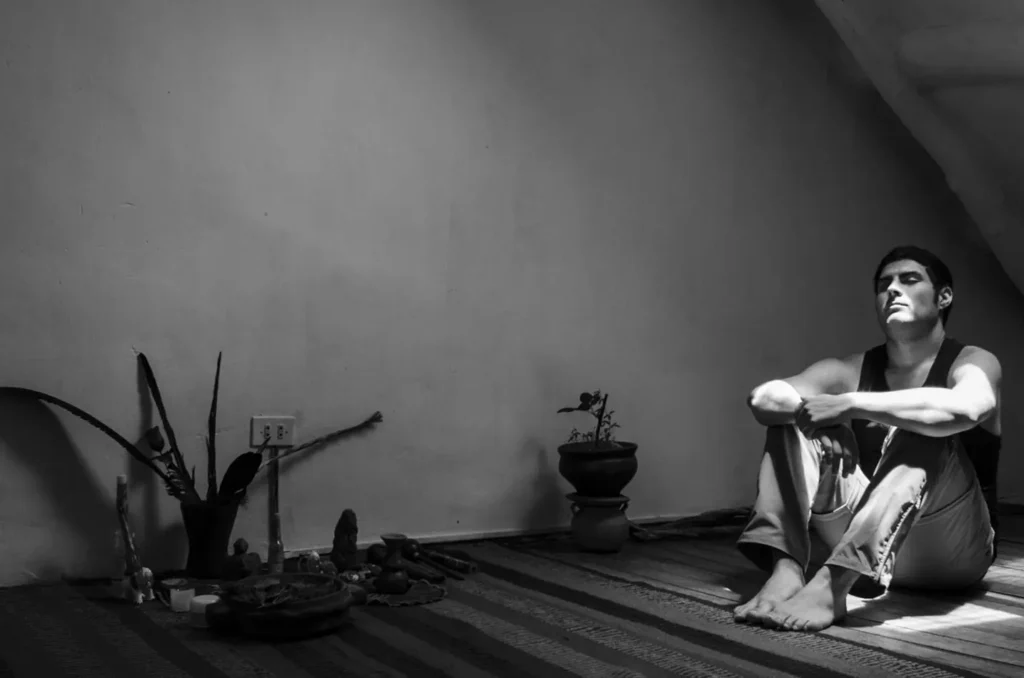
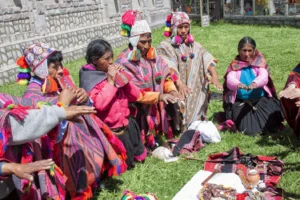
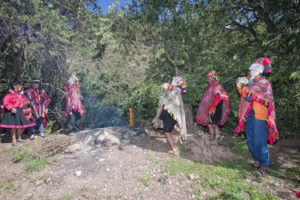
Healing center for Ayahuasca retreat in Cusco – Centro de sanación para retiro ayahuasca Cusco
Psychological Risks: Challenging vs. Genuinely Harmful
This distinction is the one most frequently blurred in discussions of ayahuasca safety, and getting it wrong in either direction causes problems.
Challenging experiences are expected and are part of the process. Approximately half to two-thirds of ceremony participants encounter difficult psychological material — intense fear, confrontation with buried trauma, emotional overwhelm, a terrifying quality of ego dissolution. Research consistently shows that these experiences, when held in appropriate ceremonial containers with skilled facilitation, frequently correlate with positive long-term mental health outcomes. The discomfort is not incidental to the healing; for many participants, it is where the healing actually occurs.
A 2025 study on adverse life event reexperiencing in ayahuasca ceremonies — published in Scientific Reports — found that reexperiencing traumatic memories was common and was associated with improved mental health outcomes at three-month follow-up in most cases. The authors noted that the emotional tone of the ceremony — whether it felt spiritually meaningful — was a significant moderating factor.
Genuinely harmful psychological outcomes exist but are distinguishable. A smaller subset of participants — particularly those with pre-existing psychiatric vulnerabilities, those in inadequately facilitated ceremonies, and those who enter ceremonies in states of acute psychological crisis — can experience lasting destabilization, anxiety, or in rare cases, the triggering of psychotic episodes. These outcomes are real and deserve honest acknowledgment.
The key differentiating factor in the research is consistently the quality of the ceremonial container: the experience of the facilitators, their capacity to support participants through difficult material, the presence of adequate staff-to-participant ratios, and the existence of post-ceremony integration support. The same challenging experience, when held by a skilled team, tends to resolve and integrate; when encountered in a poorly facilitated setting with no support afterward, it can remain unresolved and destabilizing.
Lasting psychological distress after ceremony — anxiety that persists for weeks, a sense of disorientation, difficulty reconnecting with ordinary life — is real and should be taken seriously. It requires professional support, and resources like ICEERS’ El Faro support service (which offers free integration sessions for people experiencing difficulties after plant medicine use) exist precisely for this reason.
The Risk of Abuse in Ceremonial Settings
This topic is rarely addressed directly by retreat centers, which is one reason it is addressed here.
Documented cases of sexual abuse, financial exploitation, and psychological manipulation by unqualified or unethical “healers” exist in the ayahuasca ceremony space. The vulnerability produced by altered states of consciousness, the inherent power differential between facilitator and participant, and the absence of regulatory oversight in most jurisdictions create conditions that can be exploited.
The 2026 JAMA study on retreat safety practices found significant variability in the policies and protections retreat organizations maintain. Not all centers have explicit codes of conduct, clear consent protocols, or mechanisms for participants to report concerns.
This risk is not a reason to avoid ceremonial work. It is a reason to choose carefully — to verify the reputation of a center through independent reviews rather than the center’s own testimonials, to ask specifically about the center’s code of conduct and what recourse participants have if something goes wrong, and to trust your own sense of something feeling wrong.
If a facilitator or shaman makes physical contact that feels inappropriate, asks for money beyond the stated fees, creates pressure to consume more medicine than you want, or says anything that suggests their interests are in conflict with your wellbeing — those are grounds for ending participation. A ceremonial healing space should feel safe from the first contact, not only during the ceremony itself.
The Altitude Factor: Cusco-Specific Safety Considerations
For ceremonies in Cusco and the Sacred Valley, altitude is a safety variable that deserves specific attention — and one that responsible centers in this region actively manage.
Cusco sits at 3,400 meters above sea level. The Sacred Valley, where many retreat centers operate, sits at 2,800 meters. Ayahuasca produces cardiovascular activation — heart rate and blood pressure elevation — that is well-tolerated at sea level in healthy individuals. At altitude, where the cardiovascular and respiratory systems are already working harder to compensate for reduced oxygen, this activation is compounded.
For participants with no cardiovascular conditions, adequate acclimatization of two to three days before ceremony is sufficient to make this combination safe. For participants with cardiovascular conditions, kidney disease, or significant respiratory issues, the altitude adds a layer of risk that requires specific medical assessment.
Practical altitude safety protocol for Cusco retreats:
Arrive at least two to three full days before your first ceremony. Do not rush this. Symptoms of altitude sickness — headache, fatigue, nausea, disturbed sleep — peak 12–24 hours after arrival and resolve in most people within 48–72 hours with appropriate rest and hydration.
Drink coca leaf tea (mate de coca) throughout the acclimatization period. It is widely available throughout Cusco, legal and safe, and genuinely effective for mild altitude symptoms.
Hydrate substantially. The dry Andean air increases fluid loss through respiration. Dehydration at altitude compounds the cardiovascular demands of both acclimatization and ceremony.
Do not participate in a ceremony while actively altitude-sick. Combining the purging, cardiovascular activation, and altered state of ayahuasca with active soroche (altitude sickness) is both uncomfortable and avoidable with proper planning. A responsible center will assess your acclimatization status before proceeding.
Inform the center of any prior altitude sensitivity or cardiovascular history before arrival. This allows them to prepare appropriately and assess whether any adjustments to the ceremony protocol are warranted.
How Context Determines Safety: Setting, Screening, and Facilitation
The research literature is consistent on this point: the three variables that most determine whether an ayahuasca ceremony is safe are the quality of pre-participation screening, the experience of the facilitation team, and the adequacy of the ceremonial container.
Pre-participation screening identifies the people for whom participation carries elevated risk before a ceremony occurs. It is the front line of safety. A center that accepts participants without detailed health questionnaires, medication review, and psychiatric history assessment is not screening — it is guessing.
The facilitation team’s experience determines what happens when things become difficult. An experienced healer and facilitation team can recognize the difference between a challenging experience that needs support and an experience that requires medical intervention. They know how to ground a participant in distress, when to use ceremonial tools, and when to call for outside help. This experience is not acquired quickly, and centers with inadequately trained personnel in this role represent a structural safety risk.
The ceremonial container includes the physical setting, the staff-to-participant ratio, the emergency protocols, and the post-ceremony integration support. A well-run ceremony in a dedicated space with appropriate ratios (no more than six to eight participants per facilitator), clear emergency protocols, and integration circles the following morning is a fundamentally different safety environment than a large group ceremony in an improvised space with a single operator managing everyone.
What the JAMA 2026 Study Revealed About Retreat Safety Practices
A January 2026 study published in JAMA Network Open — “Reported Safety Practices of Publicly Advertised Psychedelic Retreats” — analyzed the safety practices of 49 publicly advertised psychedelic retreat organizations, the majority of which offered ayahuasca. Its findings illuminate the range of safety standards currently operating in the sector.
Key findings:
87.8% of organizations require or recommend stopping certain medications before ceremonies — but this also means that 12.2% do not, which is concerning given the severity of potential interactions.
73.5% exclude participants with specific psychiatric or medical conditions. Again, 26.5% of centers do not report clear exclusion criteria — a meaningful safety gap.
Only 30.6% of organizations offer structured preparation activities for participants. This finding is significant: the majority of publicly advertised centers send participants into ceremonies without systematic preparation support.
63.3% encourage participants to consult their physician for medication tapering guidance — an important safety measure, but one that only two-thirds of centers formally recommend.
The study’s authors noted that the data reflects publicly advertised practices only — what organizations say they do. Actual practices may vary. Underground, invitation-only, or informally operated ceremonies were not captured.
What this means practically: The existence of a professional-looking website and an English-language booking process does not indicate a center operates with adequate safety standards. The questions in the checklist below are designed to distinguish between centers with genuine safety practices and those whose safety claims are primarily marketing.
Red Flags: How to Identify an Unsafe Operation
These are specific signals that an ayahuasca ceremony or retreat may be operating without adequate safety standards.
No health screening before acceptance. If a center accepts your booking without asking detailed questions about your medications, medical history, and psychiatric history — that is the single most important red flag in the entire sector. No legitimate operation accepts all comers without this assessment.
Vague or anonymous facilitation team. A center that cannot or will not tell you who leads the ceremonies, what their training and lineage are, and how long they have been practicing is one you should not trust with your safety in an altered state.
Promises of specific outcomes. Any center claiming it will “cure” depression, “heal” trauma, or guarantee a transformative experience is prioritizing marketing over honesty. Legitimate centers describe the potential of the work without promising specific results.
No emergency protocol when asked. A direct question — “What happens if a participant has a serious medical or psychological reaction during ceremony?” — should produce a specific, clear answer. If it doesn’t, that is a meaningful signal.
Combination with unlisted substances. Some operations add other plants — notably toé (Brugmansia/scopolamine) — to the brew without informing participants. Toé has a very different and significantly more dangerous pharmacological profile than ayahuasca. Ask directly whether the brew contains any plants other than Banisteriopsis caapi and Psychotria viridis.
Pressure to drink more than you want. A legitimate ceremony never involves pressure to consume more medicine than a participant has chosen to take. Any facilitation that pushes participants toward additional doses against their wishes is operating outside appropriate boundaries.
No post-ceremony integration support. Integration is where most of the lasting benefit of a ceremony occurs — and where poorly facilitated experiences can become destabilizing without support. A center that ends its involvement with participants at the close of the ceremony night is providing an incomplete and less safe experience.
Suspicious pricing below market rate. This is not always a red flag — authentic healers do not necessarily charge premium prices — but extremely low prices in combination with any of the above signals should increase scrutiny.
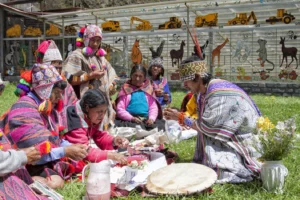
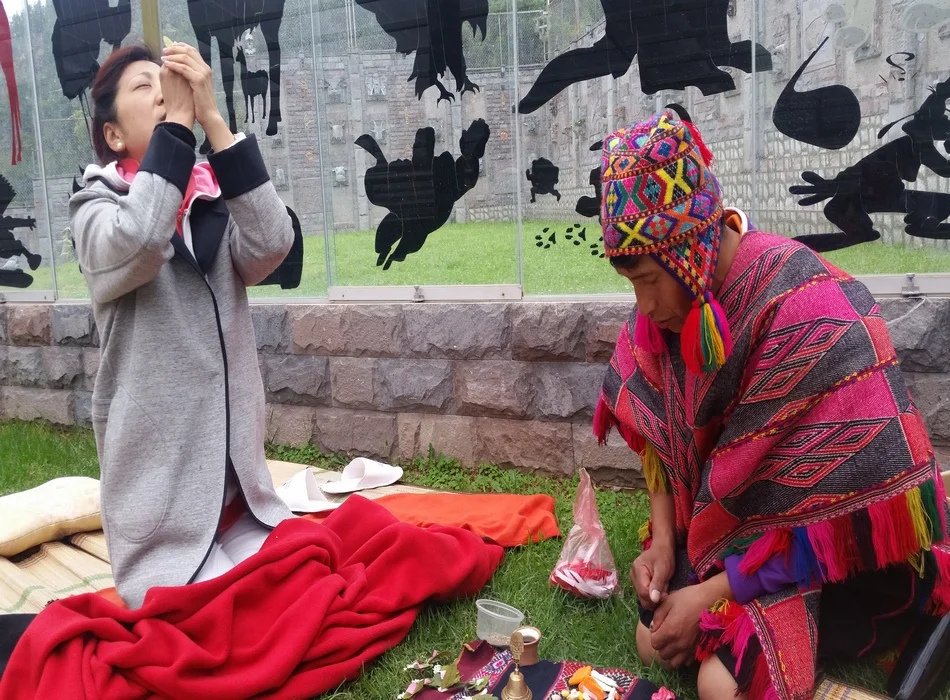
Ayahuasca retreat in Peru Sacred Valley – Retiro de ayahuasca en Cusco
Safety Checklist: Questions to Ask Before Booking
The following questions should be answered directly and clearly by any retreat center before you commit to attending.
About the shamans and facilitation team:
- What is the name of the shaman who will lead my ceremony, and what is their healing lineage?
- How many years have they been practicing, and under whom were they trained?
- How many facilitators will be present per participant during ceremony?
About screening and medical safety:
- What is the health screening process? Will someone review my medications individually?
- What conditions automatically disqualify participation?
- Is there a physician or medical professional involved in the screening process?
About the ceremony:
- What plants are in the brew? Are any admixture plants other than Banisteriopsis caapi and Psychotria viridis included?
- What is the emergency protocol if a participant has a medical crisis during ceremony?
- What is the distance to the nearest medical facility?
About integration:
- What integration support is provided during the retreat?
- Is there any follow-up support available after I return home?
About safety culture:
- What is the center’s code of conduct regarding facilitator-participant relationships?
- How does the center handle participant concerns or complaints?
A center that responds to these questions with specific, transparent answers is one that has thought seriously about safety. A center that deflects, gives vague answers, or seems surprised by the questions is one that warrants further scrutiny before you proceed.
How Responsible Centers Minimize Risk
A well-run ayahuasca retreat minimizes risk through a layered set of practices that begin before arrival and continue after departure.
Pre-arrival medical intake. A detailed health questionnaire covering medications, medical history, psychiatric history, and prior plant medicine experience. Individual review of the completed questionnaire — ideally with medical advisor input for complex cases. Clear communication about any adjustments required before participation is appropriate.
Preparation guidance. Specific dietary instructions with explanations of why each restriction matters. Medication guidance in collaboration with the participant’s physician. Intention-setting support and preparation for the psychological terrain of the ceremony.
Experienced, identified healers. Named shamans with verifiable backgrounds and authentic training lineages. Not “our experienced team” — specific people with specific histories.
Adequate facilitation staff. A ratio that allows each participant to receive individual attention during ceremony. Facilitators trained to recognize and respond to the full range of experiences that can arise.
Emergency preparedness. Clear protocols for medical and psychological crises. A vehicle available for rapid transport if needed. Knowledge of the nearest medical facility and the conditions under which to use it.
Post-ceremony integration. Structured integration circles the morning following each ceremony. Facilitator availability for individual questions and processing. Follow-up support available after departure.
At Ayahuasca Cusco, every participant completes a detailed health intake before any booking is confirmed. We review each intake individually, consult medical advisors for complex cases, and will honestly tell any prospective participant if we believe our program is not the right fit for their situation. The conversation happens before the booking — not after. We consider this non-negotiable.
Our retreat programs range from a 1-day ceremony to a 7-day immersion in the Sacred Valley, each with full preparation guidance, medical screening, and integration support. If you have specific questions about your health history and its implications for participation, contact us directly before booking.
Frequently Asked Questions
Is ayahuasca safe if I’m healthy with no medications?
For physically and psychiatrically healthy individuals without contraindicated medications, participating in a well-facilitated ceremony with proper screening carries a relatively low risk of serious physical harm. Challenging psychological experiences are common and are part of the process — they are not the same as harm. The risk profile is substantially different from that of someone with contraindicated conditions or medications, which is why thorough screening matters.
Can ayahuasca cause permanent psychological damage?
Persistent negative psychological effects following ayahuasca — lasting anxiety, disorientation, or destabilization — are documented in a small subset of participants, particularly those with pre-existing psychiatric vulnerabilities or who participated in poorly facilitated settings without adequate follow-up support. In well-facilitated ceremonies with appropriate screening and integration support, these outcomes are uncommon. They are not impossible, and this is one reason that follow-up integration support is not optional for a responsible operation.
What is serotonin syndrome and how serious is it?
Serotonin syndrome is a potentially life-threatening condition caused by excess serotonin accumulation, most commonly resulting from the combination of ayahuasca’s MAO inhibitors with serotonergic medications (SSRIs, SNRIs, MAOIs, and others). Mild serotonin syndrome produces tremor, elevated heart rate, and sweating. Severe cases involve hyperthermia, muscle breakdown, seizures, and cardiovascular instability. Severe serotonin syndrome requires emergency medical intervention. This is why the MAOI interaction is the most serious preventable risk in the ayahuasca ceremony space — and why anyone on antidepressants must work with their physician on an appropriate tapering protocol before participating.
How long do I need to stop SSRIs before a ceremony?
The washout period for SSRIs varies significantly by medication. Most SSRIs require a minimum of two weeks after the last dose, but fluoxetine (Prozac) — which has an unusually long half-life — requires five to six weeks minimum. This process must be done under physician supervision and should never be done abruptly. The specific timeline for your situation requires a conversation with your prescribing physician, who should be aware of why you are tapering.
Is ayahuasca safe at altitude in Cusco?
For healthy individuals who acclimatize properly — arriving two to three full days before their first ceremony, resting adequately, staying hydrated, and not participating while actively altitude-sick — the combination of ayahuasca and Cusco’s altitude carries manageable risk. For individuals with cardiovascular conditions, kidney disease, or significant respiratory issues, altitude adds a risk layer that requires specific medical assessment before participation is appropriate. A responsible center in Cusco will assess your acclimatization status before proceeding with any ceremony.
How do I know if a ceremony or retreat is genuinely safe?
The most reliable indicators are: explicit, detailed medical screening before acceptance (not just a checkbox form); named, verifiable shamans with traceable training lineages; a clear emergency protocol when asked directly; adequate facilitation ratios during ceremony; and structured integration support after. Independent reviews on Google, TripAdvisor, and AyaAdvisors — from real participants over time — provide more reliable signal than the center’s own testimonials. The questions in the safety checklist above are designed to quickly distinguish centers with genuine safety practices from those without.
What should I do if I have a difficult experience after returning home?
First, recognize that prolonged difficulty after ceremony is real and deserves attention rather than dismissal. Contact your retreat center — a responsible one will have follow-up protocols. Consider working with a therapist experienced in psychedelic integration. If you are experiencing severe distress, ICEERS’ El Faro Support Center offers free integration sessions with trained psychologists for people experiencing difficulties after plant medicine use (available via iceers.org). If you are experiencing symptoms that suggest psychiatric emergency — paranoia, delusions, inability to function — seek conventional medical care without delay.
If you have specific questions about your medical history and its implications for participating in an ayahuasca ceremony in Cusco, contact us directly before making any decisions. We review every participant’s health situation individually and will give you an honest assessment — including telling you if we believe our program is not the right fit.
Related reading: What is Ayahuasca? · Ayahuasca Diet · Is Ayahuasca Legal in Peru? · How to Prepare for an Ayahuasca Retreat · Ayahuasca for Beginners