The ceremony ends. The medicine fades. You eat something light, sleep a few hours, and in the morning you feel different — raw and open and somehow larger than you were before. For a few days, maybe a week, something important feels very close. The insights from the night are vivid. The emotional shifts feel real and settled. You return home thinking this time, something has genuinely changed.
And then ordinary life reasserts itself. Work, relationships, routine, the accumulated friction of daily existence — these things don’t pause for transformation. The clarity that felt certain in Cusco begins to feel less certain in your kitchen at 7am on a Tuesday. What the medicine showed you starts to feel more like a memory than a map.
This is not failure. This is precisely the moment when ayahuasca integration begins.
The ceremony opens something. Integration is the work of ensuring that what was opened doesn’t simply close again — that the insights, emotional movements, and shifts in perspective that became available during the ceremony find their way into lasting change in how you live. Without that work, even the most profound ceremonial experience tends to fade into a meaningful story rather than a meaningful life.
This guide covers integration honestly and practically: what it is, what the timeline actually looks like week by week, what works, what doesn’t, and what the specific context of a Cusco or Sacred Valley retreat adds to the integration process that other settings don’t provide.
Table of Contents
What Ayahuasca Integration Actually Is
The word integration comes from the Latin integrare — to make whole. That etymology is more useful than the clinical definitions that tend to surround it in contemporary psychedelic discourse.
Ayahuasca integration is not the same as processing. Processing is what happens involuntarily — the mind and body working through the material of the experience in the days and weeks after ceremony, whether you engage with it consciously or not. Integration is the deliberate act of meeting that material, making sense of it, and allowing it to change how you live.
The distinction matters because processing happens automatically; integration requires effort. You can have a profound ceremony, go home, and allow the experience to process itself into a set of stories you tell at dinner parties without those stories changing anything meaningful about how you spend your days, treat the people you love, or navigate the patterns that brought you to ceremony in the first place.
ICEERS — the International Center for Ethnobotanical Education, Research and Service — describes integration as the process of “making sense of what happened: organizing emotions, interpreting symbols, reshaping relationships, and turning insights into concrete steps.” That last phrase is the one most people skip. Turning insight into concrete steps is the work.
Integration also has a social dimension that Western framings often miss. In traditional Amazonian contexts, the experience does not end when the ceremony does — it ends when the community receives the participant back, hears what they went through, and gradually reintegrates them into daily life. The ritual container of the ceremony has a social closing, not just a personal one. In contemporary settings, where that community framework doesn’t exist, creating some version of it — people who know what you’ve been through and can witness the changes — becomes part of the integration work itself.
Why Integration Is Where Most People Fall Short
The research on ayahuasca outcomes consistently shows that the durability of the medicine’s benefits is strongly tied to the quality of integration that follows. This finding appears across studies on depression, anxiety, trauma, and addiction — the improvements seen after ceremonies are significantly more durable in participants who engaged in structured integration support compared to those who did not.
Despite this, integration remains the most underprovided element in the ayahuasca retreat sector. A 2026 JAMA Network Open study analyzing 49 psychedelic retreat organizations found that only 30.6% offered structured preparation activities — and post-ceremony integration support, while somewhat more common, was similarly inconsistent across the field.
The reasons people under-invest in integration are understandable. After spending significant time and money on a retreat, returning home feels like the natural end of the investment. Work obligations reassert themselves. The people in your daily life didn’t participate in the ceremony and don’t fully understand what it involved. Life doesn’t pause to give you space to integrate.
And paradoxically, the ceremony’s intensity can create a false sense of completion. Something real happened. Something shifted. The most dramatic work is over. What remains must be the easy part.
It isn’t. The ceremony is the opening. Integration is the construction.
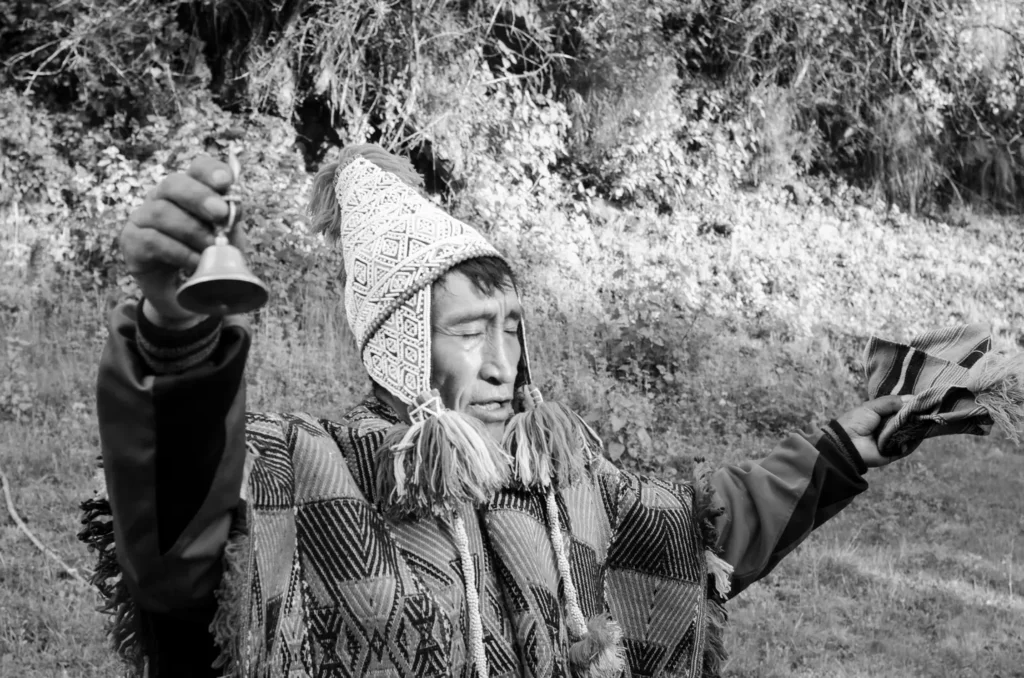
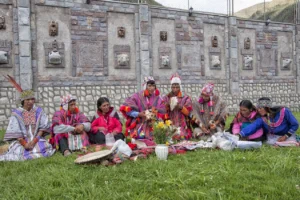
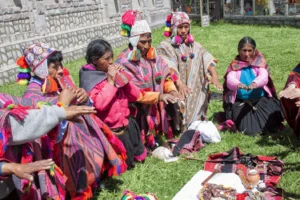
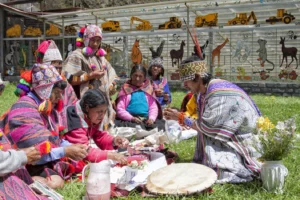
Shipibo shaman guiding ayahuasca retreat in Peru – Chamán shipibo ceremonia ayahuasca Perú
The First 72 Hours: The Most Sensitive Window
The three days immediately following a ceremony — or the final ceremony of a multi-day retreat — are among the most important in the entire integration process. They are also the window that most people least protect.
Day 1 (ceremony night / morning after):
After the ceremony closes, the body and nervous system need gentleness above everything else. Eat something light — fresh fruit, plain rice, broth. Sleep when you can, for as long as you can. The nervous system has been through something significant and is still processing. Dreams in the hours after ceremony are typically vivid and often continue the work of the night.
Don’t try to interpret or analyze. The impulse to immediately make sense of what happened — to translate the experience into a coherent narrative — is natural but premature. The material needs space before it needs structure.
Write immediately. Not analysis — impressions. Images, emotions, phrases, sensations, anything that was present during the ceremony. Do this while it’s fresh. Ceremony memories can be remarkably fluid — what feels indelible in the immediate aftermath may be significantly less accessible by the following afternoon.
Day 2:
The morning integration circle, if your retreat includes one, is among the most valuable things you can do. Sharing fragments of what happened — not necessarily the whole experience, but the parts that feel important — in a held space with people who were also in ceremony creates a witnessing that begins the social dimension of integration.
Rest continues to be the primary work of day 2. Light walking outdoors if you have access to it. Avoid screens, social media, and news. The nervous system in this state is more porous than usual — what you take in matters more than it does ordinarily.
If you are still in Cusco or the Sacred Valley on day 2, the landscape itself is an integration resource. A slow walk in the Andean countryside, sitting by the Urubamba, spending time in Pisac or at the edges of the valley — these activities support the grounding that the first days after ceremony require.
Day 3 (travel day or re-entry day):
For many participants, day 3 involves a flight home. This is one of the most difficult transitions in the integration process — and almost nobody prepares for it specifically.
On the plane: resist the pull toward films and distraction. Use the sustained quiet of the flight to write more, to sit with what is present, to allow the transition to unfold consciously rather than numbing it. Avoid alcohol. The integration window is still very much open; how you use the hours of travel matters.
At the airport and in transit: the contrast between the ceremonial experience and the noise, speed, and commercialism of international airports can feel jarring in ways that are uncomfortable and also informative. The heightened sensitivity of the post-ceremony state gives you access to a direct experience of what aspects of ordinary life feel aligned and which do not. This is useful data, not something to suppress.
Key principle for the first 72 hours: protect this window. It is the most sensitive period of integration, the time when the nervous system is most open and the insights are most accessible. What happens in these three days significantly shapes what is available in the weeks that follow.
The First Week: Processing Without Forcing
The week following ceremony is one of active receiving — attending to what is arising without forcing it into premature conclusions.
Continue journaling daily. Not necessarily at length — even 10 to 15 minutes of unstructured writing each morning creates a record and a practice that will matter significantly over the following months. The act of writing itself is integrative: it moves experience from the implicit, felt level into language, making it possible to think with and act from.
Dreams continue to be active and informative for most participants during this first week. Keep a notebook by the bed. The night’s material often continues working through the dream space in ways that extend the integration beyond waking hours.
Physical movement is important but should be gentle. This is not the time for intense workouts or physical depletion — the body is already engaged in metabolic and neurological adjustment. Walking, gentle yoga, swimming, time outdoors in nature — these support the integration process by keeping the body present and grounded without adding stress.
Avoid alcohol and stimulants for the full first week. The neurological state of the post-ceremony period is characterized by increased plasticity and sensitivity — exactly the conditions under which new patterns can form and old ones can loosen. Alcohol disrupts this state directly. Caffeine in large quantities adds nervous system agitation that works against the receptive quality the integration requires.
Limit social engagements that require you to perform normalcy. The first week after ceremony is typically not the time for dinner parties, crowded social situations, or environments that demand you show up as your ordinary pre-ceremony self. This isn’t about isolation — it’s about giving yourself permission to still be in a process.
Signs the integration is working in week one: emotional sensitivity that feels productive rather than destabilizing; a quality of unusual clarity about specific situations or relationships; moments of unexpected grief, gratitude, or joy that feel connected to the ceremony material; a settled sense that something has genuinely shifted, even if you can’t fully articulate what.
Signs to pay attention to: significant sleep disruption that doesn’t resolve; inability to engage with the experience at all (numbness, avoidance); intense anxiety or dissociation; a sense of the experience being overwhelming without any felt movement or resolution.
Ayahuasca Retreat in Cusco
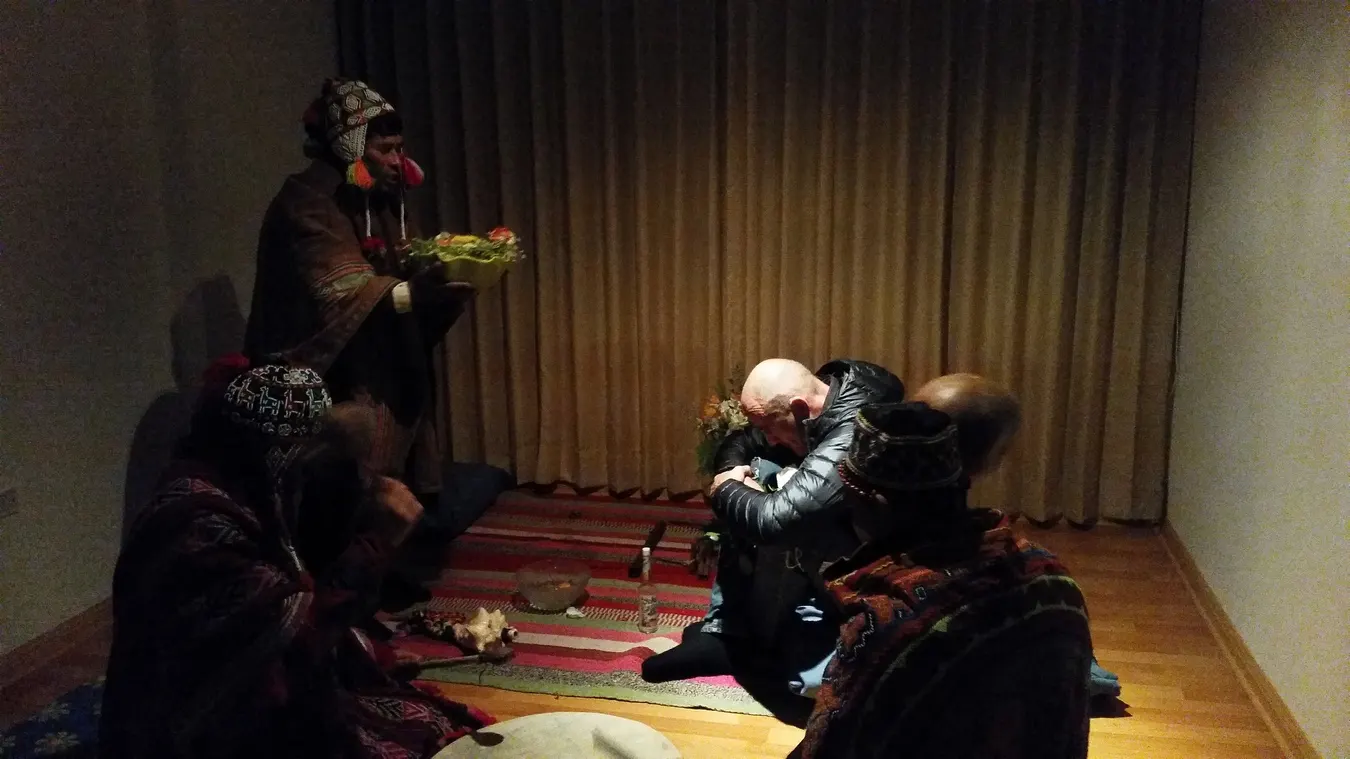
1 Day Ayahuasca Retreat Cusco
Designed for visitors with little time seeking a profound spiritual experience, the 1 Day Ayahuasca Retreat in Cusco, Peru is meant for them.
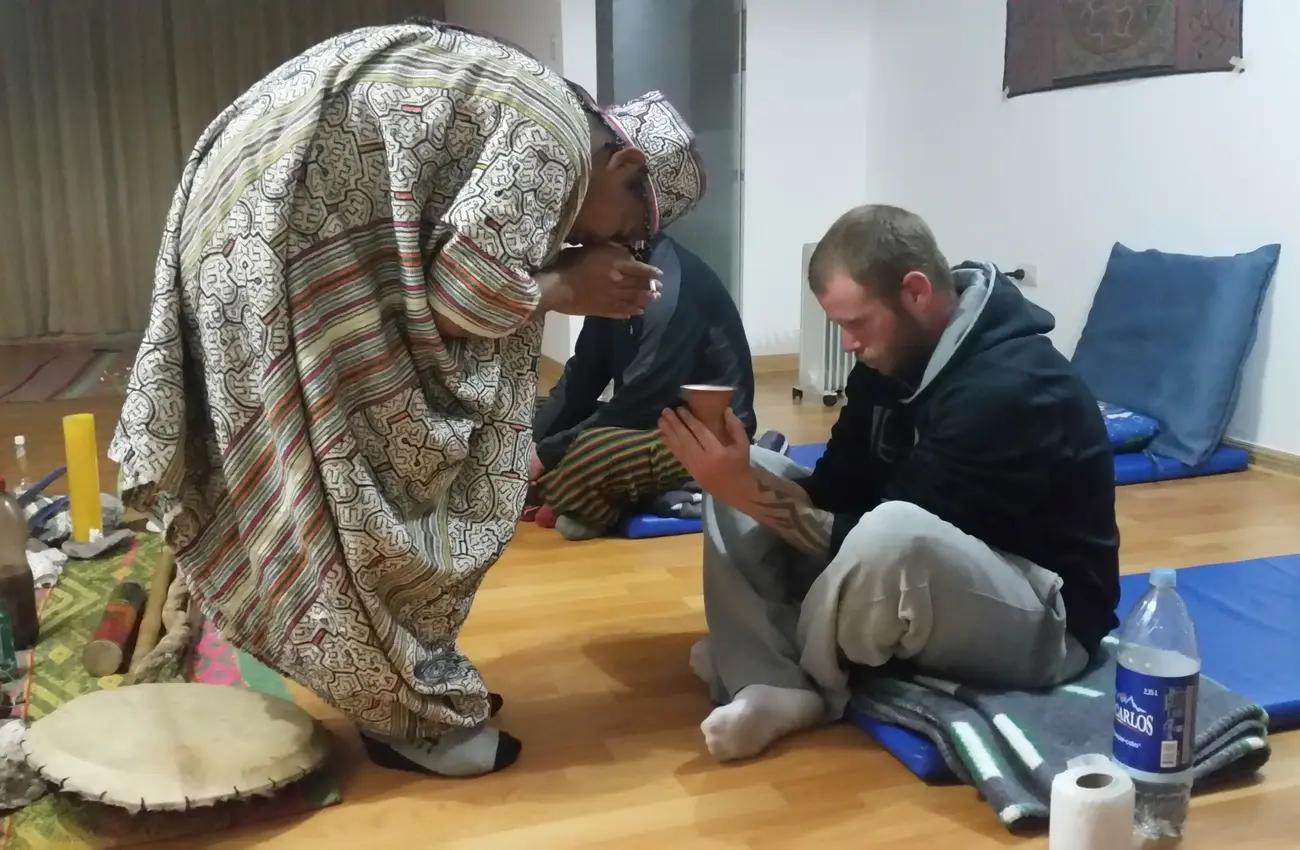
2 Day Ayahuasca Retreat Cusco
Our 2 Day Ayahuasca Retreat Cusco Peru offers a sacred space for those who seek profound healing and self-discovery in a short yet powerful journey.
The First Month: Active Integration
If the first week is about receiving, the first month is about engaging. This is the period when the insights from ceremony need to move from the level of understanding to the level of behavior — from “I see that I do this” to “I am actually doing something different.”
Journaling shifts in week 2-4. Move from impressionistic morning writing toward a more structured engagement with specific themes that emerged during the ceremony. What was shown to you? What patterns did you see clearly that you’d previously avoided? What did you feel called to change? What did you feel called to release? Writing specifically about these questions — not just describing the experience but working with its implications — is where insight begins to become action.
Identify one to three concrete changes. This is the most practically important work of month one. Not a complete life overhaul — one to three specific, behavioral changes that directly respond to what the ceremony surfaced. The research consistently shows that large life restructurings after ceremony tend to falter without the sustained work of integration; small, specific changes that address real patterns tend to stick. The question is not “what do I want my life to look like?” but “what is one thing I can actually do differently, starting now?”
Consider professional support. Working with a therapist experienced in psychedelic integration — either in person or via telehealth — is one of the most consistently valuable things a participant can invest in during month one. This is not because the experience was problematic (though professional support is even more important when it was difficult) but because the material that surfaced in ceremony is now available in a way it wasn’t before, and a skilled professional can help you work with it directly. ICEERS’ El Faro Support Center offers up to five free psychological integration sessions for people who need support — a resource worth knowing about.
Integration circles and community. Connecting with others who have had similar experiences — through integration circles, online communities like those maintained by MAPS or the Chacruna Institute, or smaller peer groups — provides the social witnessing that traditional communities provided through ritual. You don’t need to find a community of ayahuasca veterans; you need people who can receive what you’re working with without dismissing it or treating it as pathological.
The return of old patterns. At some point in month one, for almost everyone, the old patterns begin to reassert themselves. This is the moment most often described as “the effect wearing off” — and it is one of the most misunderstood parts of the integration process. The patterns returning is not evidence that the ceremony didn’t work. It is evidence that patterns are persistent and that the insight the ceremony provided is necessary but not sufficient for change. The return of old patterns is the invitation to apply what was seen. This is when the work begins in earnest.
Months 2–6: When the Real Work Happens
The three-to-six-month period after an ayahuasca ceremony is, in the experience of most practitioners and the research on outcomes, when the most significant and lasting integration work occurs.
The acute sensitivity of the first weeks has softened. The experience is no longer immediate but is still accessible. The new patterns have been established or not. The old patterns have returned or been genuinely restructured.
This is the phase that requires patience rather than intensity.
Integration at this stage tends to move through ordinary daily life rather than through dramatic moments of revelation. It shows up in how you respond to a conflict with a partner differently than you would have before the ceremony — not because you remembered the ceremony, but because something in how you’re showing up has shifted. It shows up in a capacity to stay present with difficult emotions that previously would have sent you directly to the nearest distraction. It shows up in the slow, gradual restructuring of what you prioritize, how you spend your time, and who you choose to be close to.
The research on lasting ayahuasca outcomes at six months consistently documents improvements in depression scores, anxiety levels, quality of life, and personality traits (particularly increased openness) that are larger than what was measured at one month. The integration process doesn’t peak immediately — it matures over time, which is why the six-month mark is considered by most researchers as the most meaningful measure of lasting change.
What tends to work in months 2-6: sustained daily practices (even brief ones — 10 to 15 minutes of journaling or meditation), continued work with a therapist or integration counselor, regular time in nature, engagement with a community that understands your process, and consistent attention to the specific behavioral changes identified in month one.
What tends to fail: attempting to reproduce the ceremony experience as the primary integration strategy (chasing rather than integrating), over-intellectualizing the experience (building elaborate frameworks for understanding it without changing behavior), and withdrawing from the support structures established in the first month once the acute intensity has subsided.
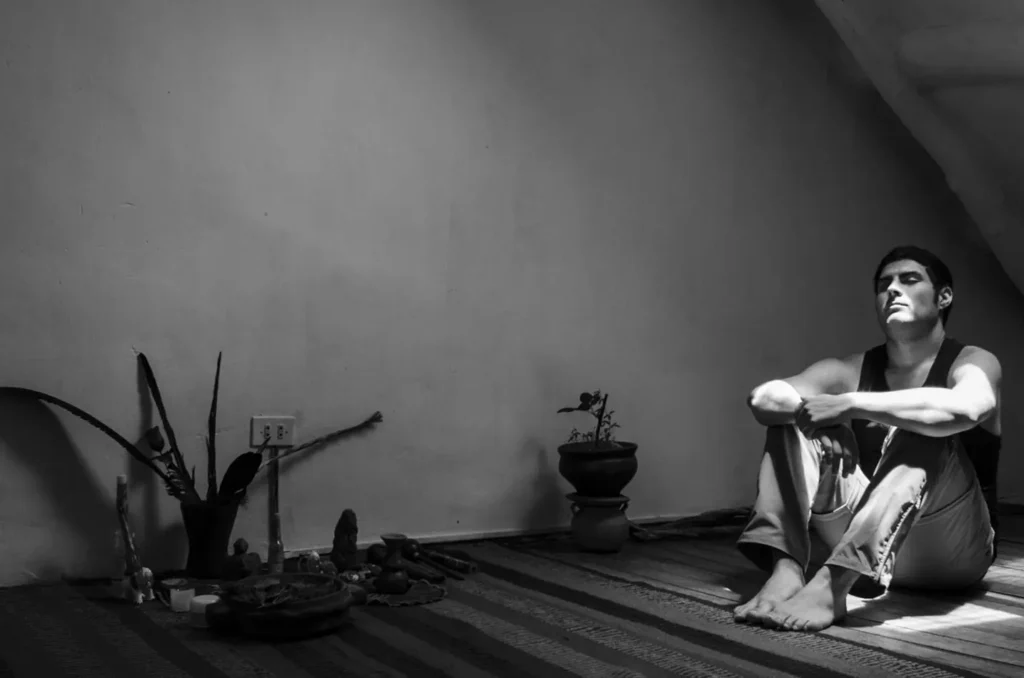
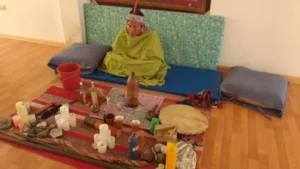
Healing center for Ayahuasca retreat in Cusco – Centro de sanación para retiro ayahuasca Cusco
Long-Term Integration: The Continuing Journey
Some participants’ most significant integration insights arrive six months, a year, or even two years after a ceremony. The material that was surfaced during the night continues to be worked with across time — in ways that are not always linear and do not follow a schedule.
Long-term integration is characterized by a gradual, sustained increase in the alignment between who the ceremony revealed you could be and who you actually are in daily life. This is not a dramatic transformation — it is the slow, unglamorous work of living differently.
Temple of the Way of Light’s integration team describes a phenomenon they observe consistently: participants who feel the “effects are fading away” several months post-ceremony often interpret this as the medicine wearing off. What is actually happening, in most cases, is that the neurological uplift of the ceremony has settled into the nervous system as a new baseline — and the invitation is now to investigate the structures (relational patterns, professional choices, habitual behaviors) that are keeping the new baseline from fully expressing itself in daily life. The fading of the acute experience is not the end of the integration. It is the beginning of its deepest phase.
The Integration Toolkit: Practices That Work
The following practices have the strongest evidence base across both research and practitioner experience for supporting ayahuasca integration.
Journaling is the most consistently useful and most accessible practice. Daily writing — unstructured in the early weeks, progressively more directed toward specific themes and questions — keeps the material alive and moving. It creates a record of the integration journey that is invaluable for tracking changes over time. Return to early entries months later; what you couldn’t see then often becomes clear in retrospect.
Time in nature is disproportionately valuable for people who have worked with ayahuasca. The medicine deepens the relationship with the natural world — and maintaining that relationship through regular time outdoors provides both grounding and a sustained connection to what the ceremony opened. Walking, sitting, gardening, swimming in natural water — all of this feeds the integration.
Somatic practices — yoga, breathwork, dance, bodywork — address the dimension of the experience that is stored in the body rather than the mind. Ayahuasca frequently produces somatic releases (trembling, crying, physical sensations of energy moving through the body) that leave residue in the nervous system. Somatic practices work with that residue in ways that purely cognitive approaches cannot.
Meditation develops the capacity to remain present with experience rather than immediately narrating or suppressing it — which is precisely the capacity the integration process asks of you. Even a brief daily sitting practice creates a container for the material of integration to be met with steadiness.
Creative expression — writing beyond journaling, visual art, music, movement — provides access to dimensions of the ceremonial experience that language doesn’t capture well. Many participants find that what they couldn’t write their way into understanding became available through drawing, painting, or song.
Therapy and integration counseling with practitioners familiar with psychedelic experiences offers the most direct professional support available. The number of therapists trained in psychedelic integration has grown significantly since 2020. MAPS, ICEERS, and the Multidisciplinary Association for Psychedelic Studies all maintain directories or training programs for finding qualified support.
Returning to Work: The Most Overlooked Integration Challenge
Almost nobody prepares for this, and almost everyone finds it difficult.
Returning to work after an ayahuasca retreat — particularly a multi-day retreat — is one of the most concrete integration challenges participants face, and it receives almost no attention in integration guides. Here is what typically happens: the participant returns home in a state of heightened sensitivity, emotional openness, and expanded perspective. Two to three days later, they are back at their desk managing ordinary professional obligations in an environment that has not changed at all.
The contrast can be jarring. Work environments that felt merely unpleasant before the ceremony can feel actively wrong in the post-ceremony state. Meetings that felt meaningless before can feel excruciating. Relationships with colleagues that felt adequate can suddenly feel unsatisfying or inauthentic in ways the ceremony made visible.
This is useful information. It is not necessarily a sign that everything in your professional life needs to change — it is a sign that the ceremony increased your sensitivity to what is and isn’t aligned with your values. The integration work here is not to immediately quit your job or confront every problematic colleague in week one. It is to notice what the heightened sensitivity is pointing to, and to make considered, gradual changes in response to what you see.
Practical guidance for the return to work:
If possible, protect two to three days between return from retreat and first day back. This is the single most impactful logistical decision available to participants.
Set realistic expectations for your performance in the first week back. Concentration may be different, emotional availability may be higher than usual, the capacity to perform at your ordinary level of professional efficiency may be reduced. This is temporary.
Identify one or two colleagues or close work contacts who know you did a retreat and can provide informal support or at least understanding. You don’t need to explain everything — “I’m still processing a significant personal experience” is sufficient context for most people.
Avoid making major professional decisions (resignations, confrontations, major proposals) in the first two to four weeks after ceremony. The perspective you have access to in that window is real and valuable, but the decisions based on it are best made after some integration has occurred.
When Difficulty After Ceremony Is Healthy vs. When to Seek Help
Not every difficult post-ceremony experience indicates a problem. In fact, the research suggests that participants who experience some challenging material in the weeks following ceremony tend to show better long-term outcomes than those whose experience was uniformly pleasant — the medicine’s tendency to surface what needs attention doesn’t always produce comfort.
Signs that difficulty is part of healthy integration:
- Emotional sensitivity that is productive — feelings moving through rather than getting stuck
- Difficulty with specific situations that the ceremony identified as problematic, now felt more acutely
- Grief that processes and lightens over time
- Temporary disruption of sleep patterns in the first one to two weeks
- A sense of things being in flux without a clear resolution yet — the feeling of being in between
Signs that professional support is needed:
- Persistent inability to function in daily responsibilities (work, relationships, basic self-care) extending beyond three to four weeks
- Severe anxiety or panic attacks that are not resolving
- Paranoid or dissociative thinking that is not anchored in ordinary reality
- Active suicidal ideation
- Feelings of unreality or depersonalization that are intensifying rather than resolving over time
- An inability to engage with the ceremonial experience at all — complete avoidance or numbing
If any of the second group describes your experience, reach out to a mental health professional familiar with psychedelic experiences. ICEERS’ El Faro Support Center offers free integration sessions. The therapist directory maintained by MAPS can help you find qualified practitioners.
The Social Dimension of Integration
ICEERS describes integration not only as an individual psychological process but as a social one — the work of rebuilding one’s relationship with one’s environment, community, and the people who matter.
This dimension is often the most challenging and the most transformative simultaneously. The ceremony may have shown you things about specific relationships — patterns that don’t serve you, connections that do, communications that have been avoided, changes that need to happen. Integrating these insights is not just journaling about them. It is having the conversations, making the changes, and allowing the relationships themselves to shift in response to what the ceremony opened.
This is where integration becomes most real and most difficult. It is relatively easy to have profound insights during ceremony. It is significantly harder to bring those insights into a conversation with a partner about what isn’t working, to tell a parent something true that has never been said, to leave a friendship that the medicine clearly showed has run its course.
The social integration of ayahuasca is the longest and the most concretely life-altering dimension of the process. It is also the one that most directly produces the lasting change that participants came to Peru seeking.
San Pedro as Integration Support
For participants who experienced ayahuasca ceremonies in Cusco or the Sacred Valley, San Pedro (Wachuma) is available as a genuinely complementary integration tool — something specific to this geography that other retreat contexts don’t offer.
The pharmacological and experiential character of San Pedro is well-suited to integration work. Where ayahuasca descends and excavates, San Pedro expands and integrates. Where ayahuasca can surface material with significant intensity, San Pedro tends to approach that same material through warmth, expanded perspective, and connection with the outer world.
Many participants who work with both medicines describe a San Pedro ceremony in the days or weeks after ayahuasca as the experience that brought the previous nights’ material into coherence — that allowed what was opened to settle and become navigable. The heart-opening quality of Wachuma provides a kind of emotional warmth and spaciousness in which the harder material of ayahuasca can be integrated more gently.
If you are returning to Cusco for integration purposes or extending your stay after a retreat, a San Pedro ceremony in the Sacred Valley is worth serious consideration as part of your integration plan.
The Andean Dimension: Cusco as an Integration Resource
Participants who did their retreat in Cusco and the Sacred Valley have access to an integration resource that no other retreat context provides: the landscape itself.
The Apus that were invoked by name during your ceremony — Veronica, Pitusiray, Ausangate — are visible from within Cusco and the valley. The Urubamba continues to flow. The terraces of Pisac, the stones of Ollantaytambo, the open sky of the Andean highlands — these are not just beautiful. They are the landscape that held your ceremony, and in the Andean understanding, they continue to witness and support the work that began there.
For participants who remain in Cusco for integration days after their retreat, the most valuable integration activities tend to be the simplest ones: walking in the landscape, visiting sacred sites not as a tourist but as someone in a process, sitting with the mountains in view, drinking coca leaf tea and attending to what is present.
The ICEERS understanding of integration as a re-embedding in community and landscape is literally available in Cusco in a way that is specific to this geography. The ceremonial work that began in the Sacred Valley extends into the landscape around it — and participants who use that continuity actively, rather than immediately departing for home, tend to arrive at their integration with more grounded material to work from.
Integration Support from Ayahuasca Cusco
At Ayahuasca Cusco, integration is not a feature we mention in passing — it is a structural element of every program we offer.
Every ceremony is followed by an integration circle the following morning. We provide guidance for the post-retreat dietary protocol, the first week of practices, and the longer-term integration process. We make follow-up contact available in the weeks after participants return home — because we understand that the questions and challenges of integration don’t appear only while you are still in the Sacred Valley.
We can connect participants with integration therapists and counselors for ongoing support after their retreat. For participants who want to deepen their work in a subsequent visit, combined programs that include both ayahuasca and San Pedro ceremonies — with appropriate integration time built between them — are available across our full range of retreat durations.
Our programs range from a 1-day ceremony to a 7-day immersion in the Sacred Valley, each structured to maximize the integration process rather than simply the ceremonial experience. Contact us if you have questions about what integration support looks like for any specific program.
Frequently Asked Questions
How long does ayahuasca integration take?
Most practitioners and researchers refer to a full integration cycle of three to six months as the timeframe during which the most significant lasting change typically unfolds. However, the integration of a single experience can continue for years — new layers of meaning and new applications of ceremonial insight becoming available at different life stages. The question is not when integration is “done” but whether you are actively engaging with the process, and that engagement can and does continue indefinitely.
What is the most important thing to do in the first week after an ayahuasca ceremony?
Journal immediately and consistently. Protect your time from major social obligations and alcohol. Stay in contact with the retreat’s facilitators if you have questions or if something feels difficult. Rest more than you think you need to. These four things — journaling, protection of the integration window, facilitated support, and rest — are what the research and practitioner experience most consistently identify as determinative of what’s available in the weeks that follow.
Is it normal to feel worse after an ayahuasca ceremony?
Yes — temporarily and in specific ways. The medicine increases sensitivity to what isn’t aligned with your values and your wellbeing, which means situations that felt tolerable before the ceremony can feel more acutely uncomfortable afterward. This is not the ceremony making things worse; it is the ceremony making previously tolerable misalignment intolerable. The appropriate response is to attend to what the increased sensitivity is pointing to — not to suppress it. Sustained and severe distress that does not resolve in the first few weeks warrants professional support.
How do I find an integration therapist?
ICEERS’ El Faro Support Center offers up to five free psychological integration sessions. MAPS (Multidisciplinary Association for Psychedelic Studies) maintains a directory of therapists with psychedelic integration training. The Chacruna Institute and Fluence also offer practitioner directories. For participants from the United States or Europe, telehealth integration therapy has become widely accessible and removes the geographic limitation.
What is the difference between a difficult experience that needs integration and one that needs clinical support?
Difficulty that is moving — emotions surfacing, processing, and gradually lightening — is typically healthy integration material. Difficulty that is static, escalating, or significantly impairing your ability to function in daily life for more than three to four weeks warrants clinical support. Specific signs that clinical support is appropriate: active suicidal ideation, persistent dissociation or paranoid thinking, complete inability to engage with work or close relationships, and overwhelming anxiety that is not reducing over time.
Does San Pedro (Wachuma) help with ayahuasca integration?
Yes — and specifically for participants who have worked with both medicines in the Sacred Valley context. San Pedro’s character (heart-opening, outward-facing, oriented toward connection and expansion) is pharmacologically and experientially complementary to ayahuasca’s (inward-facing, excavating, depth-seeking). Many participants describe a San Pedro ceremony in the weeks following ayahuasca work as the experience that allowed the previous material to settle and integrate. In Cusco, where both medicines are authentically available, this combination is a genuine option. See our San Pedro ceremony for what this looks like in practice.
How do I integrate something I don’t understand from my ceremony?
Not all ceremony material arrives pre-interpreted. Symbolic images, emotional states without clear narrative content, physical sensations without obvious meaning — these are common ceremonial experiences that don’t immediately yield to rational analysis. The approach that works is not forcing interpretation but continuing to sit with the material through journaling, somatic practice, and time. Many ceremonial experiences that seemed opaque in the first weeks become clear at two months, six months, or a year — not because you figured them out, but because you continued to live with them and allowed their meaning to emerge.
If you have questions about integration support before or after a retreat at Ayahuasca Cusco, contact us directly. Integration guidance is included in every program — not as a formality but as a genuine commitment to what happens after you leave the Sacred Valley.
Explore our retreat programs: 1-Day Ceremony · 3-Day Retreat · 5-Day Retreat · 7-Day Retreat · San Pedro Ceremony
Related reading: What to Expect at an Ayahuasca Ceremony · How to Prepare for an Ayahuasca Retreat · Benefits of Ayahuasca · Ayahuasca for Beginners · Ayahuasca Retreat Sacred Valley Peru