Not sure where to do an ayahuasca retreat in Peru? This complete guide compares Cusco, Sacred Valley, Iquitos, and Pucallpa — with logistics, costs, climate, and how to choose. Where to Do Ayahuasca Retreat Peru: Cusco, Amazon & Sacred Valley Compared
Peru has more ayahuasca retreat centers than any other country in the world. That’s not a marketing claim — it’s a reflection of the fact that this is the ancestral home of the medicine, the place where the vine grows wild, where the healing traditions are oldest, and where the infrastructure for ceremonial work has developed most completely.
But “Peru” is not one place. It is a country of extraordinary geographic and cultural diversity — high Andean mountains, deep Amazon jungle, coastal desert — and the experience of an ayahuasca retreat varies significantly depending on where in Peru you do it. The right location for one person is the wrong one for another, and knowing the difference matters more than most comparison guides acknowledge.
This article gives you the honest picture: what each region offers, who each suits best, how to get there, what it costs, when to go, and what to look for — regardless of where you end up choosing.
Table of Contents
Why Location Matters More Than You Think
Most people searching for where to do an ayahuasca retreat in Peru focus primarily on the ceremony itself — the shaman, the brew, the duration, the price. Those factors matter. But the physical location shapes the experience in ways that go beyond logistics.
The geography of a retreat affects the energetic quality of the space. It determines how accessible the center is from your arrival airport. It dictates the altitude your body will need to adjust to. It shapes whether the ceremony takes place surrounded by jungle sounds or Andean mountain silence. It determines whether you can realistically combine your retreat with other travel in Peru, and how much time you need to do that well.
None of this is trivial. A retreat at 3,400 meters in the Andes is a genuinely different experience — in preparation, in physical sensation, in the days of recovery after — from a retreat at 100 meters above sea level in the Amazon basin. Understanding those differences in advance is part of responsible planning.
Ayahuasca Retreats in Cusco
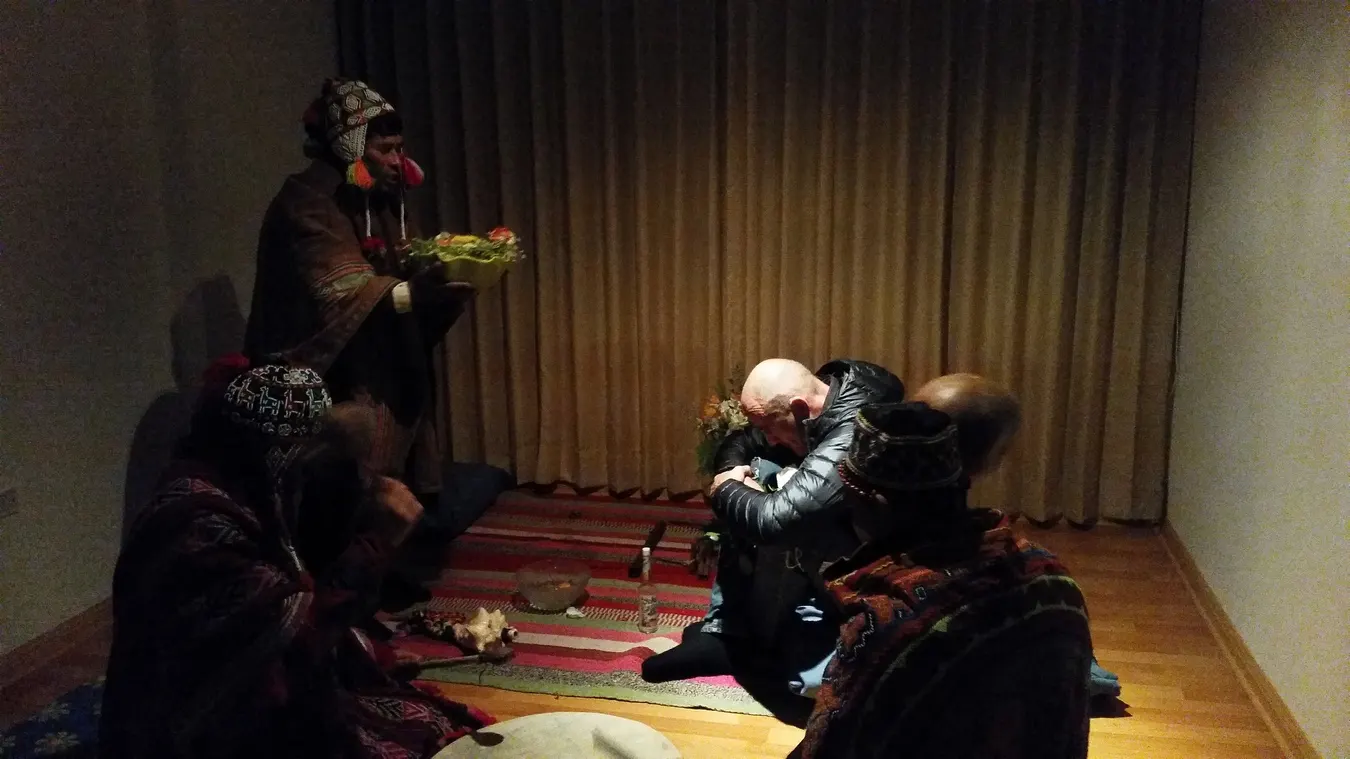
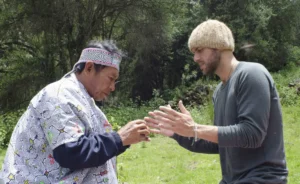
1 Day Ayahuasca Retreat Cusco
Designed for visitors with little time seeking a profound spiritual experience, the 1 Day Ayahuasca Retreat in Cusco, Peru is meant for them.
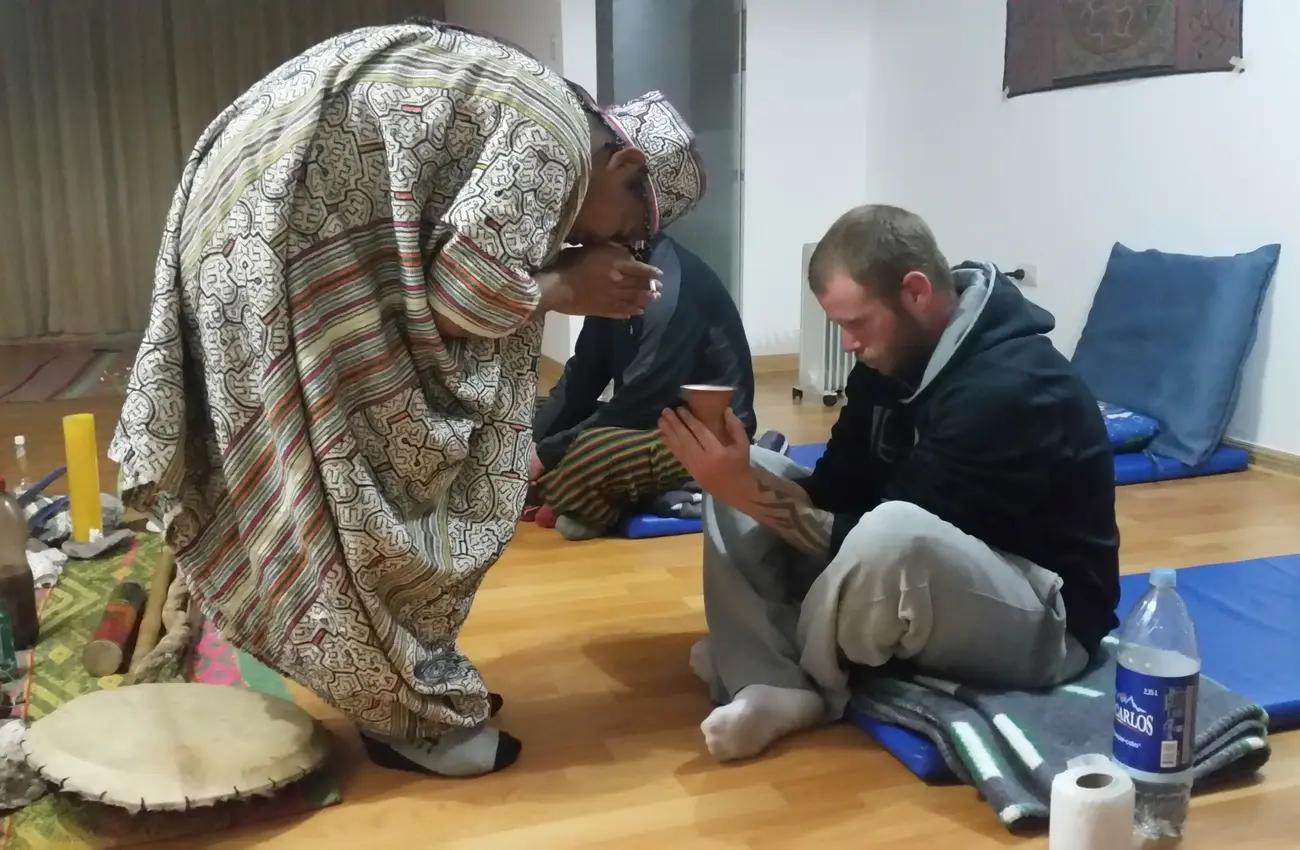
2 Day Ayahuasca Retreat Cusco
Our 2 Day Ayahuasca Retreat Cusco Peru offers a sacred space for those who seek profound healing and self-discovery in a short yet powerful journey.
The Main Ayahuasca Retreat Locations in Peru
Peru’s ayahuasca retreats are clustered in four main regions, each with distinct characteristics:
Cusco and the Sacred Valley — the Andean highlands, at 2,800–3,500 meters. Historically the center of Inca civilization, now the primary hub for ayahuasca tourism that combines Andean and Amazonian healing traditions.
Iquitos and the surrounding Amazon basin — the largest city in the world not accessible by road, deep in the Loreto region. The historical heartland of Shipibo and other Amazonian plant medicine traditions.
Pucallpa and the Ucayali region — a jungle city accessible by road or air, home to the Shipibo-Conibo community of Yarinacocha. More raw and less touristic than Iquitos.
Puerto Maldonado and the Madre de Dios region — southeastern Amazon, less developed for ayahuasca tourism than the northern Amazon but growing in presence.
For most international visitors, the choice comes down to Cusco/Sacred Valley versus Iquitos — and understanding that choice clearly is the most valuable thing this guide can offer.
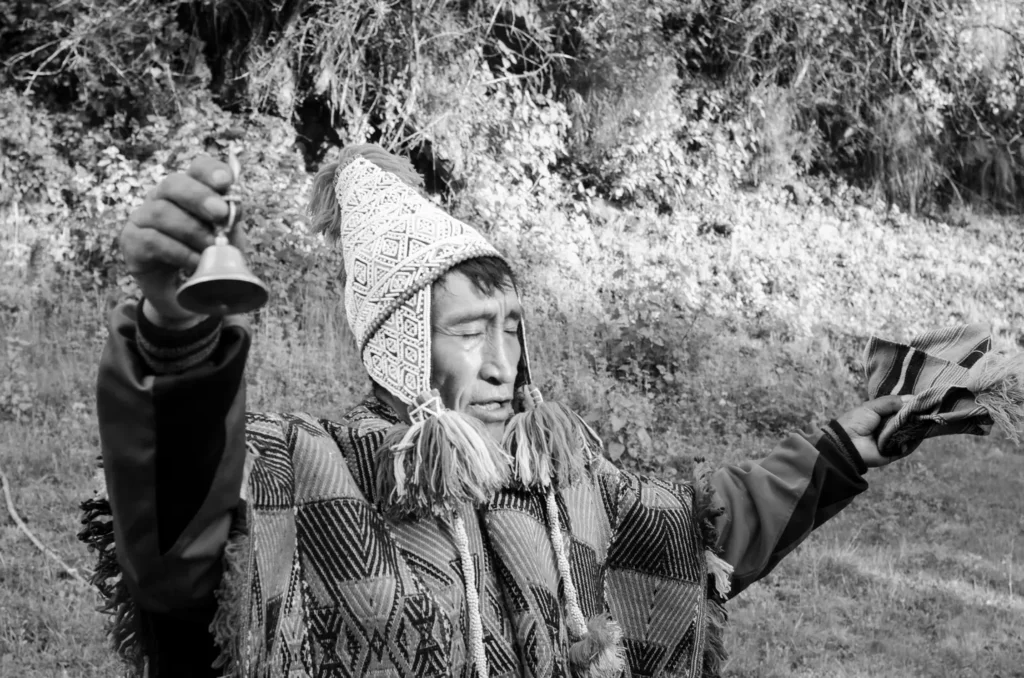
Cusco: The Intersection of Two Healing Traditions
Cusco sits at 3,400 meters above sea level in the southern Andes, and has been the spiritual and political center of Andean civilization for over a thousand years. The city itself is remarkable — colonial architecture built on Inca foundations, ancient temples, sacred mountains visible from the center. The energy of the place is palpable in a way that is difficult to describe but consistently noted by visitors.
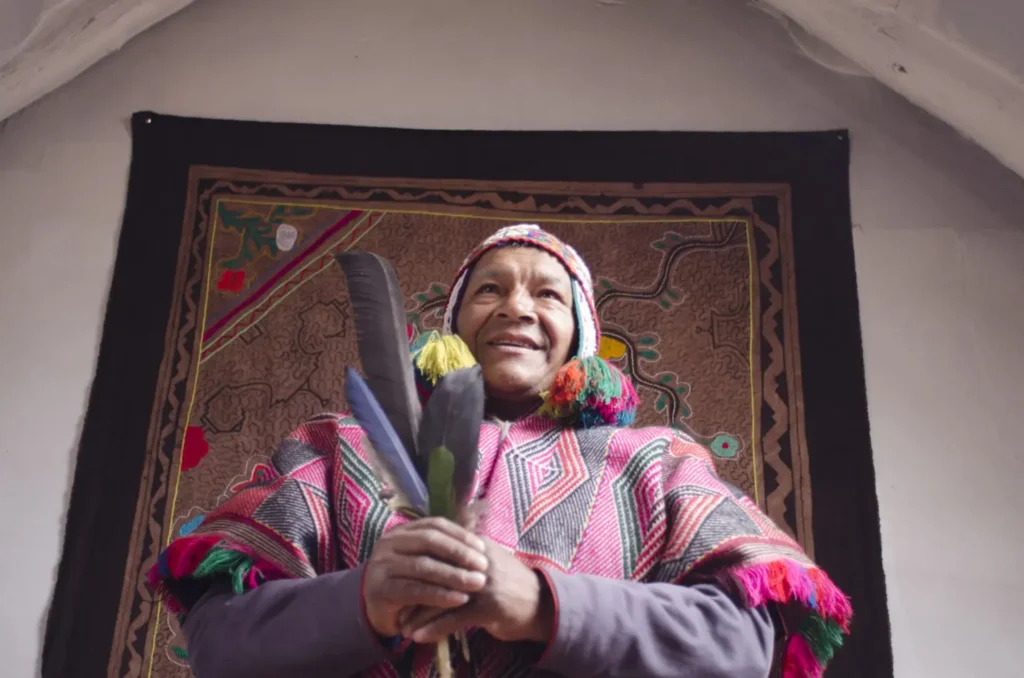
What makes Cusco unique as an ayahuasca retreat destination is the dual cultural heritage available here. Amazonian curanderos from the Shipibo tradition have been practicing in Cusco for decades, bringing their medicine into the Andean landscape and creating ceremonies that blend the icaros and healing framework of the jungle with the cosmological context of the Andes — the Apus (mountain spirits), Pachamama (Mother Earth), the Inca sacred sites that surround the city.
This combination is not available anywhere else in the world with the same authenticity. You cannot experience a ceremony that genuinely draws from both Amazonian and Andean healing traditions at a jungle retreat near Iquitos, because the Andean dimension isn’t there. In Cusco, it is.
Who Cusco suits best:
Travelers whose Peru itinerary already includes Cusco, Machu Picchu, or the Sacred Valley — combining cultural exploration with ceremonial work makes geographical sense here. First-time participants who want accessibility: Cusco’s Alejandro Velasco Astete International Airport has multiple daily connections to Lima, and the city has extensive infrastructure for accommodation, medical care, and logistics before and after a retreat. People drawn to the specific character of Andean energy — the mountains, the altitude, the living Inca geography. Those who want to combine ayahuasca with San Pedro (Wachuma) ceremonies, both of which are available here through their respective healing traditions.
Practical logistics:
Getting to Cusco from Lima takes approximately 1 hour 15 minutes by air, with multiple daily flights on Latam, Sky, and other carriers. Flights from Lima to Cusco range from $60 to $200 USD depending on advance purchase and season. From the airport to the center of Cusco is a 20-minute taxi ride. Medical care is readily available in the city for any pre- or post-ceremony needs.
The Sacred Valley: Depth, Nature, and Proximity
The Sacred Valley of the Incas stretches between Cusco and Machu Picchu, following the Urubamba River through a landscape of ancient agricultural terraces, Inca ceremonial sites, and Andean villages. At 2,800 meters — slightly lower than Cusco city — the Sacred Valley offers somewhat easier acclimatization while maintaining the energetic character of the Andean highlands.
Many retreat centers operating in the Cusco region are actually located in the Sacred Valley rather than in Cusco city itself. The towns of Pisac, Urubamba, Ollantaytambo, and Chinchero are all within the valley, and the natural landscape — the mountains, the river, the agricultural terraces — provides a ceremonial setting with deep historical resonance.
Retreats in the Sacred Valley tend to be quieter and more immersive than those in Cusco city, with less urban noise and more direct relationship with the natural environment. The surrounding landscape of sacred Inca sites adds a dimension to the experience that participants consistently describe as meaningful — there is a sense of ceremony being held in a place that has been held sacred for a very long time.
Who the Sacred Valley suits best:
Those seeking a more private, immersive retreat experience removed from the bustle of Cusco city. Participants who want extended time in nature between ceremonies. Travelers combining the retreat with visits to Pisac, Ollantaytambo, or the Inca Trail. Those who want to begin acclimatization at a slightly lower altitude before arriving in Cusco itself.
Our retreat center operates in this region — the Huayllapampa area just outside Cusco — offering ceremonies in a natural setting with direct access to the mountain landscape while maintaining the city’s medical infrastructure and logistical accessibility.
Iquitos and the Amazon: The Birthplace of the Medicine
Iquitos is the largest city in the world not accessible by road — you arrive by air or by river, both of which involve a significant journey. Located in the Loreto region of northeastern Peru, it is surrounded by primary Amazon rainforest at approximately 100 meters above sea level.
This is the heartland of the Shipibo healing tradition, one of the most established and well-documented ayahuasca lineages in the world. The Shipibo-Conibo people of the Amazon have been working with ayahuasca for centuries, and the concentration of experienced, legitimate healers around Iquitos remains among the highest anywhere.
The jungle setting is also genuinely different from the Andean context. The sounds, the humidity, the ecosystem, the darkness of a maloca surrounded by rainforest at night — these things shape the ceremonial experience in ways that are difficult to replicate anywhere else. For many people, “doing ayahuasca in Peru” means specifically this: the Amazon, the jungle, the Shipibo tradition, the complete removal from anything familiar.
Who Iquitos suits best:
Those who specifically want the jungle experience — the sounds, the ecosystem, the deep immersion in Amazonian nature. Participants with more time available who want a 7–14 day intensive retreat format that wouldn’t work logistically around other Peru travel. People whose primary motivation is working within the Shipibo tradition specifically and for whom the authenticity of that lineage is a central consideration. Those without altitude concerns or altitude sensitivity, for whom the accessibility of Iquitos (sea-level) is an advantage.
Practical logistics:
Getting to Iquitos from Lima takes approximately 2 hours by air, with daily flights. There are no road connections — all ground travel from Iquitos to retreat centers involves river transport, ranging from 30 minutes to several hours depending on the location. Medical care is available in Iquitos city but significantly more limited than in Cusco once you move further into jungle-based retreat centers.
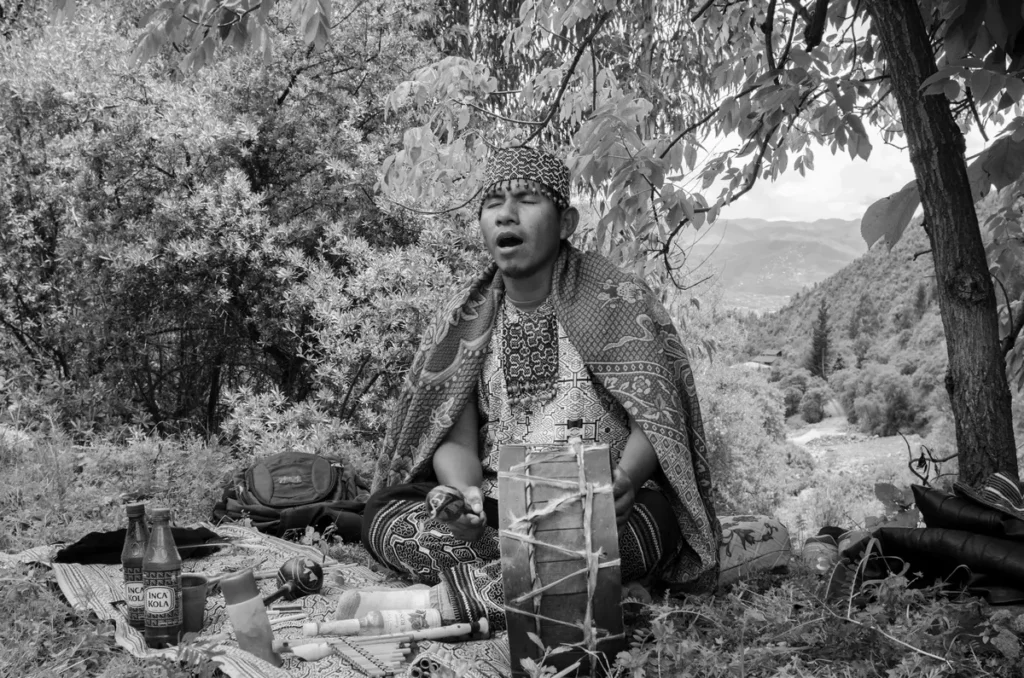
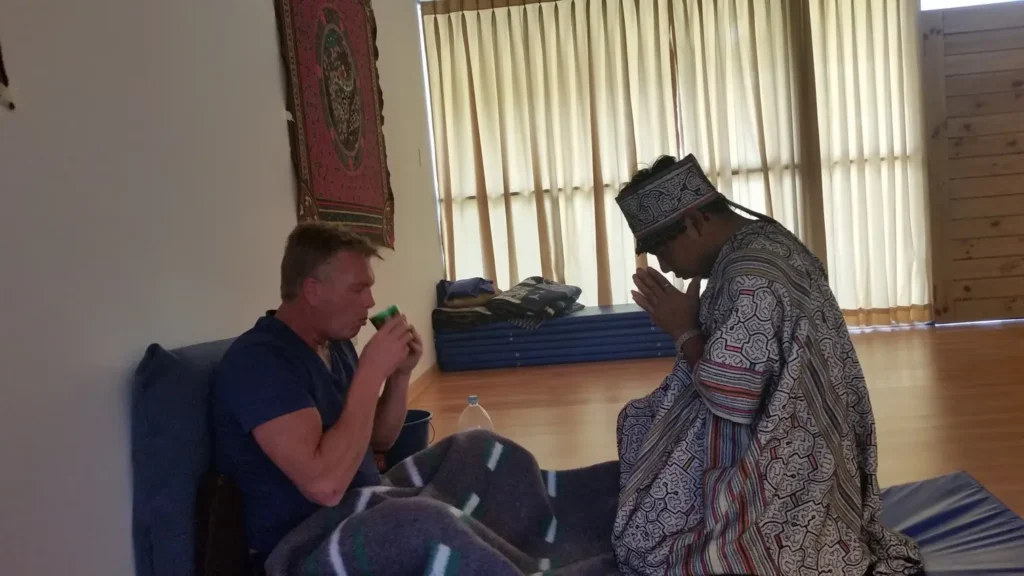
Ayahuasca Cusco Peru
Pucallpa and the Ucayali Region: Raw Authenticity
Pucallpa is a jungle city in the Ucayali region of central Peru, accessible by air and road from Lima. The nearby community of Yarinacocha on Lake Yarinacocha is home to a significant concentration of Shipibo-Conibo families and healers, and has been a center of plant medicine practice for generations.
Pucallpa is less developed for international ayahuasca tourism than Iquitos, which means both advantages and trade-offs. Fewer large commercial retreat centers, more directly indigenous and family-run operations, and generally lower prices — but also less infrastructure, less English-speaking support, and less standardized safety protocols for international visitors.
Who Pucallpa suits best:
Experienced participants who have already done retreats in more accessible settings and want deeper, less touristic engagement with indigenous Shipibo practice. Those comfortable navigating less structured environments and who prioritize direct cultural connection over logistical ease. Participants with Spanish language skills or prior experience in indigenous Amazonian communities.
Location Comparison: Practical Factors Side by Side
| Factor | Cusco / Sacred Valley | Iquitos | Pucallpa |
| Altitude | 2,800–3,400m | ~100m | ~150m |
| Accessibility from Lima | 1h 15m flight | 2h flight | 1h 30m flight + road |
| Medical infrastructure | Strong | Moderate | Limited |
| Healing tradition | Amazonian + Andean | Shipibo (Amazonian) | Shipibo (Amazonian) |
| Retreat duration options | 1–7 days | Typically 7–14 days | Typically 7+ days |
| Combination with Machu Picchu | Natural and easy | Requires separate trip | Requires separate trip |
| Price range | $100–$800 | $500–$2,500+ | $300–$1,200 |
| English support | Generally available | Variable | Limited |
| Best for first-timers | ✅ Yes | ✅ With research | ⚠️ With caution |
| Jungle setting | Mountain/highland | Rainforest | Rainforest |
| San Pedro available | ✅ Yes | ❌ No | ❌ No |
How Much Does an Ayahuasca Retreat Cost in Peru?
Price varies considerably by location, duration, group size, and the level of support and accommodation provided. The following are realistic ranges based on the current market in 2026:
Cusco and Sacred Valley:
- 1-day ceremony: $100–$250 USD
- 2–3 day retreat: $200–$600 USD
- 5–7 day retreat: $500–$1,200 USD
Iquitos:
- 7-day retreat: $800–$2,000 USD
- 10–14 day retreat: $1,500–$3,500 USD
- Premium centers with medical staff: $2,500–$5,000+ USD
Pucallpa:
- 7-day retreat: $500–$1,500 USD
- Longer programs: Variable
Price is not a reliable proxy for quality in this sector. Some of the most expensive operations in Iquitos are heavily commercialized and have received significant criticism for prioritizing volume over care. Some of the most respected healers in the Cusco region charge modest prices by international standards. What the price does reflect — when high — is typically the cost of remote logistics, accommodation infrastructure, and staff-to-participant ratios.
The relevant question is not which region is cheapest but which offers the best combination of safety, authenticity, support, and experience quality for your specific situation.
Best Time of Year for Each Region
Cusco and Sacred Valley:
The dry season — May through October — brings clearer skies, colder nights (temperatures can drop to 5°C / 41°F), and the best conditions for visiting Machu Picchu and Inca sites. The wet season — November through April — brings afternoon rains, greener landscapes, and generally warmer nights. Ceremonies run year-round. The wet season is quieter and often more affordable; the nights can actually be warmer than during the cold dry season.
Iquitos and the Amazon:
The Amazon has wet and dry seasons that function differently from the Andes. The dry season (June to November) means lower river levels, more accessible jungle trails, and less humidity. The wet season (December to May) brings flooded rivers, green jungle at its most lush, and fewer mosquitoes at altitude but more in riverside areas. Retreats operate year-round. The choice between seasons is primarily a personal preference for the character of the jungle setting.
General recommendation:
If combining an ayahuasca retreat with Machu Picchu and Cusco cultural visits, June through September is the most popular window and requires advance booking for accommodation and Inca Trail permits. April–May and September–October offer good conditions with slightly lower visitor volumes.
The Altitude Question: What Every Cusco-Bound Visitor Must Know
This section applies specifically to retreats in Cusco and the Sacred Valley, and it is one of the most practically important things this guide can tell you.
Cusco sits at 3,400 meters above sea level. The Sacred Valley at 2,800 meters. If you are traveling from sea level or low altitude — which describes most international visitors — your body will need time to adapt.
Altitude sickness (soroche) is common in visitors who arrive in Cusco and immediately engage in physical or emotionally demanding activities. Symptoms include headache, fatigue, nausea, dizziness, and disturbed sleep. They typically peak 12–24 hours after arrival and resolve for most people within 48–72 hours.
The practical rule: Arrive in Cusco at least 2 to 3 full days before your retreat begins. Not the day before — 2 to 3 days. Use those days to rest, hydrate generously, eat lightly, and allow your respiratory and cardiovascular systems to adapt. Coca leaf tea (mate de coca), widely available throughout Cusco, genuinely helps — drink it throughout the day. Avoid alcohol during acclimatization.
Entering a ceremony while your body is still adjusting to altitude introduces unnecessary physical stress into an already demanding experience. The combination of ayahuasca’s purging effects and altitude-induced nausea is unpleasant and avoidable with proper planning.
Our intake process includes a check on arrival date to ensure participants allow adequate acclimatization time before their ceremony. We have refused participation to visitors who arrived too recently and attempted to rush this process — not to be difficult, but because it genuinely compromises both safety and experience quality.
Combining Ayahuasca with Machu Picchu: How to Plan It
One of the most common trip structures for international visitors to Peru is combining a Cusco-based ayahuasca retreat with visits to Machu Picchu, the Sacred Valley sites, and other Inca archaeological areas. This combination is entirely practical and, for many participants, deeply meaningful — the cultural immersion in Inca heritage and the ceremonial work with plant medicine speak similar languages.
Here is a realistic planning framework for a 10–12 day trip:
Days 1–2: Arrive in Cusco. Rest, acclimatize, explore the city gently. Coca leaf tea, light food, early nights.
Days 3–4: Day trips to Sacred Valley sites — Pisac market, Moray, Salineras. Continue acclimatization at lower altitude.
Day 5: Machu Picchu day trip (or overnight in Aguas Calientes). The train journey from Ollantaytambo is spectacular and not physically demanding.
Days 6–8: Retreat period (3-day program with 2 ceremonies). Rest day between ceremonies.
Days 9–10: Integration days. Light walks, journaling, gentle activities. No intensive trekking, no alcohol.
Days 11–12: Optional additional Cusco exploration, or return travel.
An important note on sequencing: most experienced facilitators recommend doing the retreat before major Machu Picchu trekking rather than after. The Inca Trail at altitude, done immediately before a ceremony, is physically depleting in ways that can compromise the retreat experience. Ceremonies done before trekking allow for a physical rest period naturally built into the itinerary.
If your plans include the Inca Trail (4 days), allow additional days and place the retreat after the trek with adequate recovery time between.
How to Evaluate Any Retreat Center, Anywhere in Peru
The region you choose matters — but the specific center matters more. These are the questions that distinguish legitimate, responsible operations from the many that exist primarily to capture tourist revenue.
Who are the shamans? Can the center give you the name, background, healing lineage, and years of practice of the healer who will lead your ceremony? If the answer is vague, that is information.
What is the medical screening process? Any responsible center will ask for your complete medication list and health history before accepting your booking. This is not bureaucracy — it is the first line of safety. If they don’t ask, leave.
What is the facilitator-to-participant ratio? Ceremonies require active support during the experience. A single healer managing 20 participants without additional trained facilitators is an inadequate safety ratio, regardless of the healer’s skill.
What happens in an emergency? Ask directly. What is the protocol if a participant has a severe physical or psychological reaction? Is there a vehicle? What is the distance to medical facilities? Who makes the decision to seek outside help, and on what criteria?
What does integration support look like? A ceremony without integration is an incomplete experience. Does the center provide structured integration sessions during and after the retreat? Do facilitators check in with participants in the days following? Is there follow-up support available after you return home?
Are testimonials verifiable? Reviews on Google, TripAdvisor, and AyaAdvisors from identifiable people over a period of time provide far more reliable signal than testimonials displayed on a center’s own website. Look for consistent themes across multiple reviews, both positive and critical.
Why We’re Based in Cusco
At Ayahuasca Cusco, our choice to operate in the Sacred Valley and Cusco region is deliberate and based on what we believe makes the most complete ceremonial experience available anywhere in Peru.
The dual lineage — Amazonian healing and Andean cosmology — creates ceremonies that draw from both the jungle and the mountain traditions. Our shamans carry experience in both frameworks, and the landscape of the Sacred Valley provides a ceremonial container with thousands of years of human spiritual practice embedded in it.
Practically, Cusco’s accessibility means we can work with participants who have limited time in Peru, offer programs from 1 to 7 days, and maintain the medical infrastructure and safety protocols that a responsible retreat center requires.
Our programs range from a 1-day ceremony for those who want a first encounter with the medicine to a 7-day immersion that allows for multiple ceremonies, Andean rituals, and thorough integration work. We also offer San Pedro (Wachuma) ceremonies for those who want to work with the Andean medicine specifically, or combine both in a single visit.
We recommend this region for most first-time participants, for those combining their retreat with broader Peru travel, and for anyone drawn specifically to the intersection of Amazonian and Andean healing traditions. We also recognize that for some participants — particularly those with extensive prior experience and a specific connection to pure Shipibo tradition — a deep Amazon retreat near Iquitos may be more aligned. We will say so when we believe that’s true.
Frequently Asked Questions
Is Cusco or the Amazon better for a first-time ayahuasca retreat?
For most first-time participants, Cusco and the Sacred Valley offer practical advantages: easier access, shorter retreat options (1–3 days), more medical infrastructure, English-speaking support, and the logistical coherence of combining the retreat with other Peru travel. The Amazon offers a more immersive and geographically authentic experience of the Amazonian roots of ayahuasca, but typically requires longer stays and involves more remote logistics. The right answer depends on your available time, comfort with remote environments, and whether the jungle setting specifically is part of what draws you.
How long should I spend in Peru for an ayahuasca retreat?
For a Cusco-based retreat, plan for a minimum of 7 days total: 2–3 days of acclimatization, the retreat itself (1–5 days), and 1–2 days of integration before travel. For an Amazon-based retreat, most reputable centers recommend a minimum of 7–10 days of retreat time plus travel days — so 10–14 days total in Peru is more realistic. If combining with cultural travel, 12–16 days allows for a more complete experience without feeling rushed.
Can I do an ayahuasca retreat and see Machu Picchu on the same trip?
Yes, and many participants do exactly this. The most practical approach is to acclimatize in Cusco, visit the Sacred Valley and Machu Picchu first, then do the retreat — giving your body time to adjust to altitude before the ceremony. Allow at least one full day of rest between the Machu Picchu visit and the beginning of your retreat. Avoid trekking the Inca Trail immediately before a ceremony.
What is the minimum time for an ayahuasca retreat in Cusco?
A 1-day ceremony is available and provides a genuine ceremonial experience for those with very limited time. For participants who want more than a single ceremony, a 3-day retreat with 2 ceremonies allows for deeper work and meaningful integration between sessions. Our full programs range from 1 day to 7 days.
Is ayahuasca in Cusco authentic, or is it only real in the Amazon?
Ayahuasca ceremonies in Cusco and the Sacred Valley are authentic. The healers working in this region carry genuine lineages — some trained in the Amazonian Shipibo tradition, others in Andean shamanic practice, many in both. The combination of these two lineages creates something that is arguably unique to this geography. Authenticity is determined by the integrity and training of the healer, not solely by the region. The question to ask is not “Amazon or Andes” but “who leads this ceremony and what is their background.”
Is altitude sickness a serious concern for ceremony participants?
It requires attention, but it is manageable with proper planning. Arriving 2–3 days before your retreat and resting during that period is the most important step. Drink coca leaf tea, stay hydrated, eat lightly, and avoid alcohol during acclimatization. Let your facilitators know if you’re experiencing significant symptoms before the ceremony begins. We assess every participant’s acclimatization status before proceeding and will postpone a ceremony if someone arrives too recently to be ready.
Are there ayahuasca retreats in Peru that include San Pedro (Wachuma)?
Yes — and Cusco is the primary region where both medicines are authentically available in their respective traditional contexts. Ayahuasca comes from the Amazonian tradition; San Pedro (Wachuma) from the Andean. Both can be offered in the Sacred Valley because both traditions are present here. Amazon-based retreats typically do not include San Pedro, which is not part of the Shipibo healing framework. We offer standalone Wachuma ceremonies and combined programs that include both medicines with appropriate integration time between them.
Planning an ayahuasca retreat in Peru and want to discuss which location and program is right for you? Contact us directly for a personal consultation. We work with participants from around the world and can help you design a program that fits your time, intentions, and level of experience.
Explore our retreat programs: 1-Day Ceremony · 2-Day Retreat · 3-Day Retreat · 5-Day Retreat · 7-Day Retreat · San Pedro Ceremony
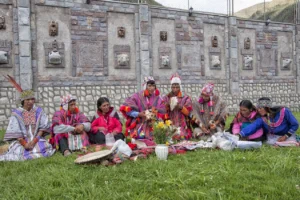
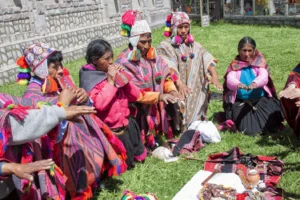
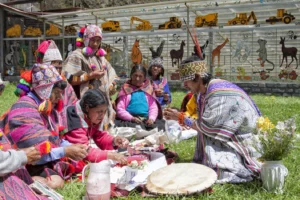
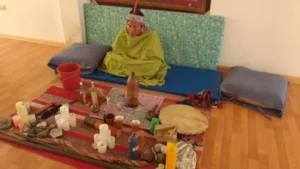
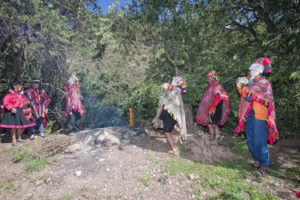
Group Ayahuasca ceremony in Cusco retreat – Ceremonia grupal ayahuasca en Cusco Perú