Ayahuasca retreat cost Peru explained honestly — real price ranges by region and duration, what’s included, hidden costs, Cusco vs Amazon, and how to evaluate value.
You open five different tabs searching for ayahuasca retreat prices in Peru and find numbers that range from $100 to $10,000. That range isn’t a typo, and it isn’t misleading marketing — it reflects a genuinely fragmented market where budget ceremonies in Cusco city and luxury seven-day Amazon immersions coexist under the same search term.
The problem isn’t the range. The problem is that most pricing guides either inflate numbers to justify premium positioning, or present bare minimums without the context that makes those numbers meaningful. Neither helps you plan a real budget.
This guide gives you the actual numbers — by region, by duration, and by price tier — along with an honest explanation of what drives the differences, what’s typically included and what isn’t, and what the total cost of your trip to Peru actually looks like when every line item is on the table.
Table of Contents
The Real Price Range: What Ayahuasca Retreats Cost in Peru in 2026
The honest answer to “how much does an ayahuasca retreat cost in Peru?” is: between $100 and $5,000+ for the retreat itself, with the vast majority of reputable options sitting between $250 and $2,500 depending on duration, location, and what’s included.
Here is a realistic overview of what the Peruvian market currently looks like, based on publicly listed prices across multiple platforms in 2026:
| Category | Retreat Fee (per person) | Typical Duration | What it Reflects |
| Single ceremony, basic | $100–$200 | 1 night | Urban Cusco setting, limited support |
| Short retreat, mid-range | $250–$600 | 2–3 days | 1–2 ceremonies, some integration |
| Week retreat, reputable | $800–$2,500 | 5–7 days | 3–4 ceremonies, full facilitation |
| Premium / luxury week | $2,500–$5,000+ | 7 days | Intimate groups, max amenities |
| Extended immersion | $3,000–$8,000+ | 10–21 days | Deep dieta work, multiple medicines |
These are retreat fees alone. The total cost of your trip — flights, accommodation outside the retreat, pre/post days in Cusco, transport, food, integration support — adds significantly to these numbers. That calculation is addressed separately below.
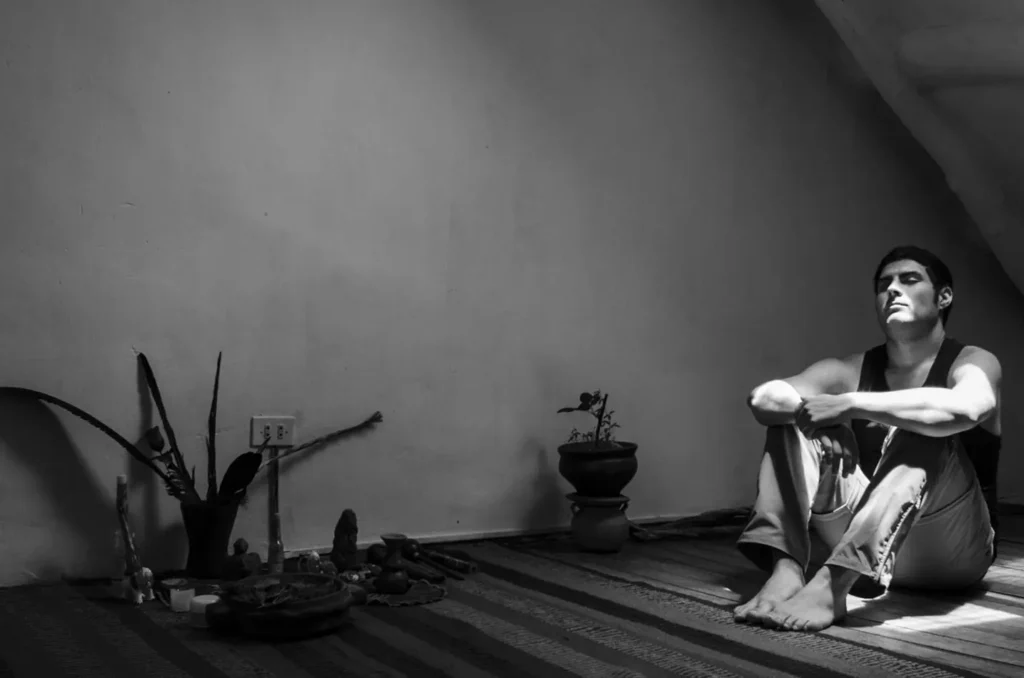
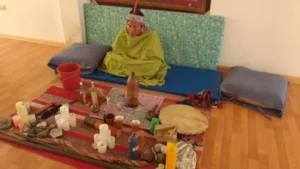
Healing center for Ayahuasca retreat in Cusco – Centro de sanación para retiro ayahuasca Cusco
What Drives the Price Difference
The $1,900 gap between a $100 ceremony and a $2,000 retreat is not random, and it is not simply profit margin. Understanding what actually drives price differences helps you evaluate what you’re getting rather than just comparing numbers.
Duration is the single most significant factor. Every additional day of retreat involves costs: accommodation, meals, facilitator time, integration circles, staff hours. A 7-day program will always cost more than a 1-day ceremony, and should.
The shaman’s experience and lineage. An ayahuasquero with 20–30 years of practice who trained under a lineage master and has completed multiple extended dietas represents a genuinely scarce resource. That experience has a cost that reflects in pricing. A recently initiated facilitator or someone who completed a weekend certification course does not command the same fee — and should not.
Facilitator-to-participant ratio. A ceremony with one shaman and two facilitators for six participants costs significantly more to run than one person managing twenty. The ratio matters for safety, for individual attention, and for the depth of support available when something difficult arises. It directly affects both cost and experience quality.
What’s included in accommodation and meals. A shared mattress in a basic retreat space costs far less to provide than a private room with hot water and mountain views. Three meals prepared according to the ayahuasca diet costs more than no meals at all. These differences show up in the retreat fee.
Location logistics. A center in Iquitos with river transport access, generator power, and remote jungle infrastructure has significantly higher operational costs than a center 30 minutes from Cusco city. Those operational realities affect pricing.
Group size. Smaller groups mean higher per-person costs because fixed expenses — the shaman’s fee, the facility, the facilitation staff — are distributed across fewer participants. A group of six pays more per person than a group of twenty-five. The tradeoff is individual attention and depth of facilitation.
Integration support. A center that employs integration therapists, holds daily integration circles, and provides follow-up support after participants return home has higher operational costs than one that runs the ceremony and closes the doors. This support is not a luxury — it is a meaningful part of what determines whether the ceremony produces lasting benefit.
Ayahuasca Retreat in Cusco
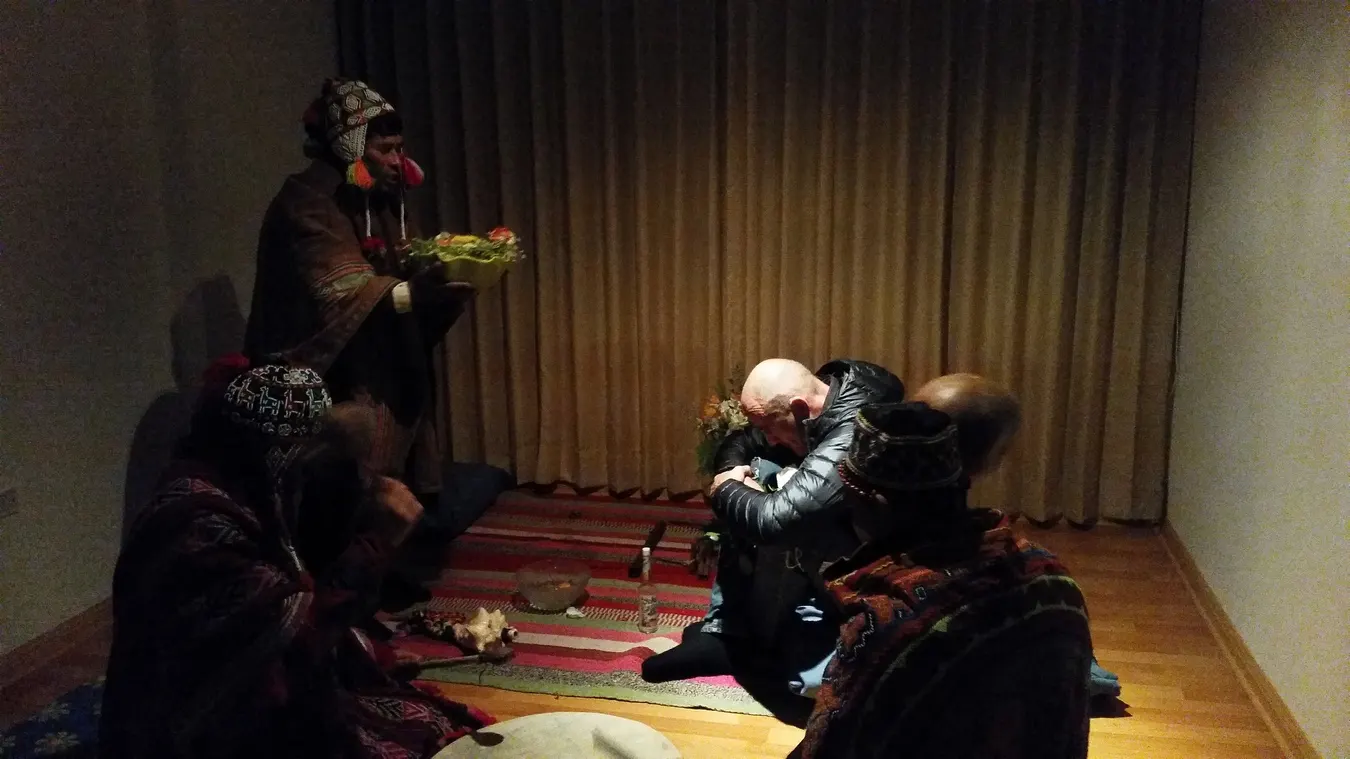
1 Day Ayahuasca Retreat Cusco
Designed for visitors with little time seeking a profound spiritual experience, the 1 Day Ayahuasca Retreat in Cusco, Peru is meant for them.
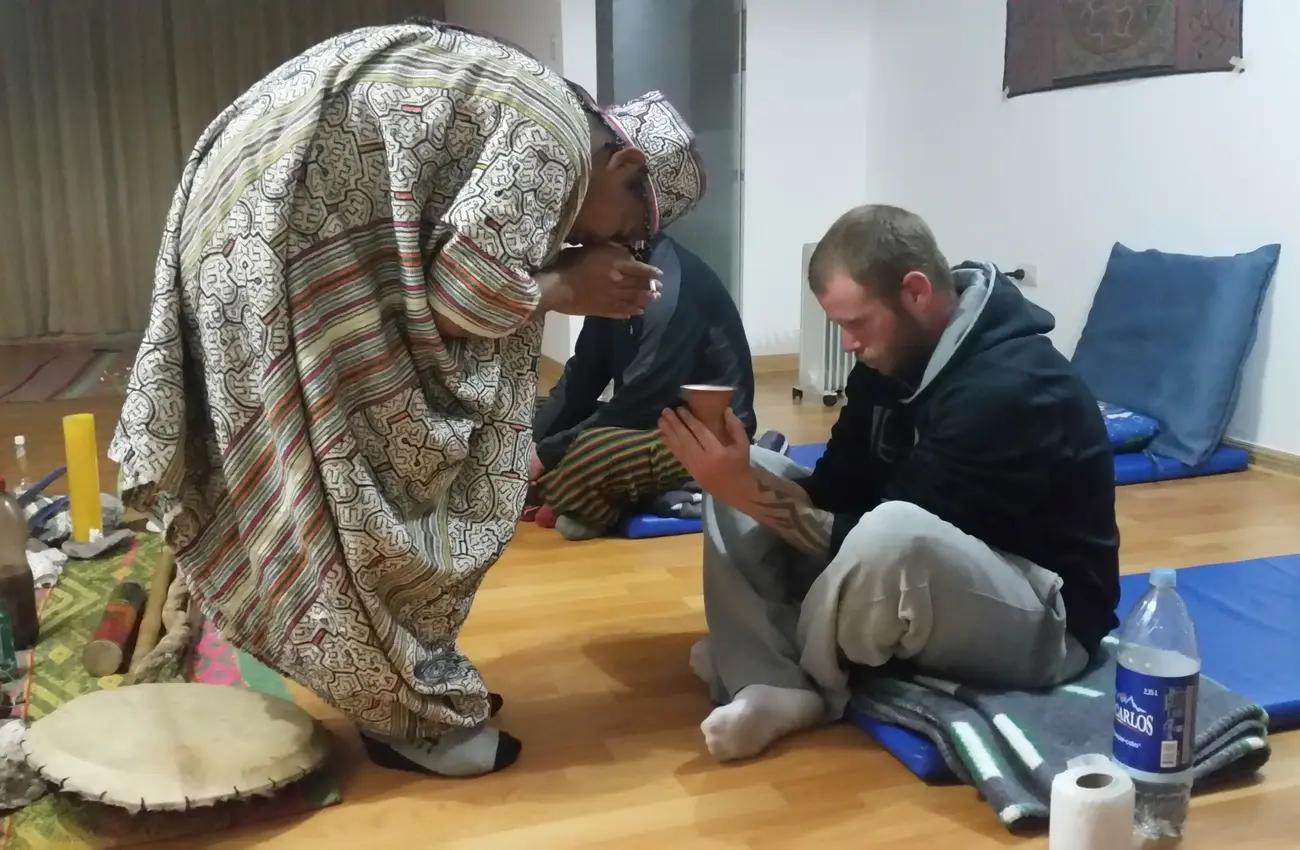
2 Day Ayahuasca Retreat Cusco
Our 2 Day Ayahuasca Retreat Cusco Peru offers a sacred space for those who seek profound healing and self-discovery in a short yet powerful journey.
Price by Duration: 1-Day to 7-Day Retreats
Duration is the most intuitive variable to understand. Here is what you can expect to pay at each duration point, specifically for Cusco and the Sacred Valley:
1-Day Ceremony — $100–$250
A single ceremony with one night — the entrance point to ceremonial ayahuasca work. At responsible centers, this includes: health intake and pre-ceremony orientation, the ceremony itself with shaman and facilitators, and a morning integration session the following day.
This option suits participants who are short on time, want a genuine first encounter without committing to a multi-day program, or are adding a ceremony to an existing Peru itinerary. At Ayahuasca Cusco, our 1-day ceremony provides this complete structure.
What it doesn’t provide: multiple ceremonies (which many experienced practitioners recommend for deeper work), extended rest days between ceremonies, or an immersive retreat environment.
2-Day Retreat — $200–$400
Two ceremonies over two nights, typically with a day of rest and integration between them. This format allows the second ceremony to build on what the first opened, which in experienced facilitators’ assessments consistently produces a different and often deeper quality of work than two separate single nights.
3-Day Retreat — $300–$700
The minimum format most experienced practitioners consider a complete introductory program. Two ceremonies with a full day of integration between them, preparation guidance on day one, and an integration session on the final morning. Our 3-day retreat reflects this structure.
5-Day Retreat — $500–$1,200
Two to three ceremonies with adequate rest and integration time. This is the format most participants find provides the right balance between depth of work and practical time commitment. Includes more structured integration support, often daily practices or group sharing, and greater opportunity for individual attention from the facilitation team. See our 5-day program.
7-Day Retreat — $800–$2,500+
The most popular format globally for week-long ceremonial work. Three to four ceremonies with full integration support between each one. This duration allows the ceremonies to build on each other in a way that shorter formats don’t permit — by the third or fourth night, participants are working with significantly more depth than in a single ceremony. Our 7-day immersion operates within this structure.
The wide price range at this duration ($800–$2,500+) reflects everything from basic shared-accommodation programs to small-group intimate retreats with private rooms, high facilitator ratios, and additional modalities.
10–21 Days — $1,500–$8,000+
Extended programs, typically including master plant dieta work, more ceremonies, and deeper integration support. The higher end of this range reflects luxury accommodation and premium facilitation teams. These programs are generally more appropriate for participants returning for deeper work rather than first-timers.
Price by Location: Cusco vs Sacred Valley vs Iquitos vs Pucallpa
Where in Peru you do your retreat affects both what you pay for the retreat itself and what you spend to get there.
Cusco and Sacred Valley
Retreat fees: $100–$2,500+ depending on duration and quality
What you pay to get there: One flight from Lima to Cusco (approximately $60–$180 USD roundtrip), widely available daily. No river transport, no remote jungle logistics. Most centers are accessible within 30–60 minutes from Cusco city.
What this region offers: The dual Amazonian-Andean healing lineage unique to this geography. Easier acclimatization (relative to the Amazon, though altitude is a specific consideration). The ability to combine the retreat with visits to Machu Picchu and Sacred Valley sites. Strong medical infrastructure in Cusco city.
The altitude factor: Cusco at 3,400 meters requires 2–3 days of acclimatization before a ceremony — days that need to be budgeted into your total trip both in time and accommodation cost.
Iquitos and Amazon
Retreat fees: $800–$5,000+ per week at established centers
What you pay to get there: One flight from Lima to Iquitos (approximately $80–$200 USD roundtrip), plus river transport to the retreat center (30 minutes to several hours depending on location). Some remote centers require an additional night in Iquitos city before transfer.
What this region offers: The Shipibo tradition at its source, jungle immersion, the full sensory experience of the Amazon. The historical heartland of ayahuasca.
The logistics factor: Remote jungle centers require careful planning for arrival and departure. Medical care, if needed urgently, may be significantly further away than in Cusco.
Pucallpa and Ucayali
Retreat fees: $500–$1,500+ per week at established centers
What you pay to get there: Flight from Lima to Pucallpa ($80–$200 roundtrip), plus transport to Yarinacocha or specific retreat location.
What this region offers: More raw, less touristic engagement with indigenous Shipibo communities. Generally lower prices than Iquitos. Less English-language facilitation infrastructure.
The logistics factor: Less developed for international visitors. Limited English support at many operations.
Comparative Summary
| Region | Retreat Fee (7 days) | Access Cost | Total Entry Cost | Best For |
| Cusco / Sacred Valley | $300–$2,500 | Low (Lima-Cusco flight) | Lower overall | First-timers, combined Peru travel |
| Iquitos / Amazon | $800–$5,000 | Medium (Lima-Iquitos + river) | Higher overall | Amazonian immersion, longer programs |
| Pucallpa | $500–$1,500 | Medium (Lima-Pucallpa) | Moderate | Experienced participants, raw authenticity |
Price by Tier: Budget, Mid-Range, and Premium
Budget Tier: $100–$500 (total retreat fee)
What you typically find:
- Basic shared accommodation or day-ceremony format
- Smaller facilitation staff
- Limited or no integration sessions
- Basic or no pre-ceremony preparation guidance
- Ceremonies led by operators with variable experience and training
This tier is not automatically unsafe or poor quality. Some of the most authentic ceremonial experiences in Peru happen in simple settings with traditionally trained healers who charge modest fees because they are not running a commercial operation for international tourists. The issue is that this tier also contains the operations with the least screening, the least safety infrastructure, and the least follow-up support. The difference between the two ends of this tier is significant, and requires more due diligence from the participant.
Mid-Range Tier: $500–$1,500 (total retreat fee)
This is where the most complete and reliably safe experiences are found for most participants. What the mid-range typically includes:
- Health screening before acceptance
- Identifiable, experienced shamans
- Adequate facilitation staff ratios
- Preparation guidance with dietary protocol
- Integration circles during the retreat
- Comfortable but not luxurious accommodation
- Three meals daily following the ayahuasca diet
For first-time participants particularly, the mid-range tier tends to represent the best balance of quality, safety, and cost. The additional support structure — preparation guidance, facilitation ratios, integration circles — directly affects both the safety and the depth of the experience.
At Ayahuasca Cusco, our programs fall primarily in this tier: complete facilitation, medical screening, experienced shamans, and full integration support without the premium pricing that reflects luxury amenities rather than quality of ceremonial work.
Premium Tier: $1,500–$5,000+ (total retreat fee)
Premium pricing reflects some combination of:
- Luxury accommodation (private rooms, en-suite bathrooms, mountain or jungle views)
- Very small group sizes (four to eight participants)
- Additional modalities (yoga, breathwork, somatic work, therapeutic sessions)
- Highly experienced facilitation teams with strong international reputations
- Extensive pre- and post-retreat support programs
- Remote or particularly scenic locations with higher operational costs
The ceremony itself — the medicine, the shaman, the icaros — is not inherently superior in a $4,000 retreat versus a $800 retreat. What the premium tier offers is enhanced comfort, smaller groups, and additional therapeutic support around the ceremony. For participants who specifically need or value those elements, the additional cost may be fully justified. For those whose priority is the ceremonial work itself, it may not be.
What a Reputable Retreat Should Include
Regardless of price tier, a responsible retreat should include all of the following. If any of these elements are absent, the price — however low or high — does not represent good value.
Health screening. A genuine medical intake process, not a checkbox form. Individual review of medications and health history.
Pre-ceremony preparation guidance. Specific dietary protocol with explanations. Communication about what to expect. Some form of intention-setting support.
Ceremony facilitation. The shaman, the icaros, and trained facilitators present throughout the night. Not the shaman alone with no support staff.
Integration support during the retreat. At minimum, a morning session after each ceremony where participants can share, ask questions, and begin processing what arose. Daily integration circles are better.
Post-ceremony guidance. At least basic guidance on what to expect in the days following the ceremony and how to support the integration process at home.
Emergency protocol. A clear plan for what happens if a participant needs medical attention during ceremony.
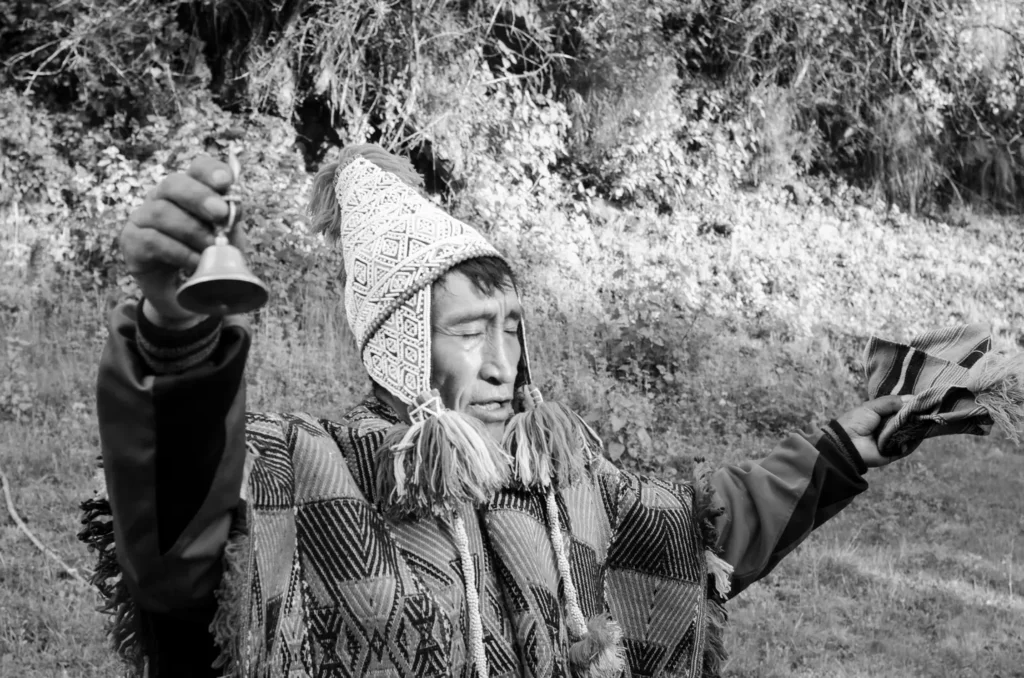
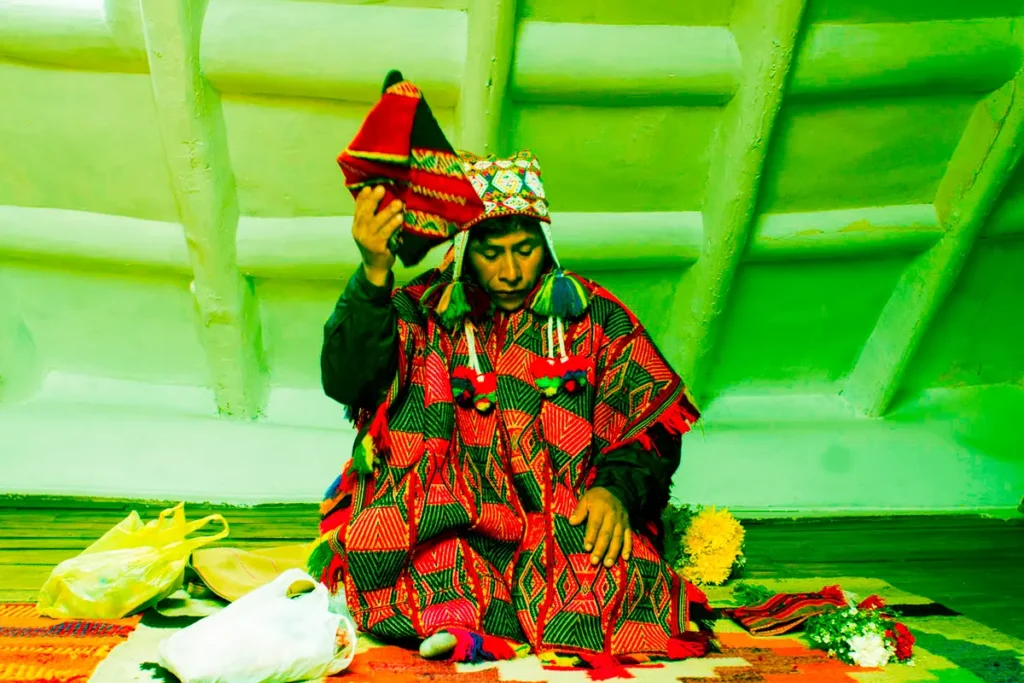
Shipibo shaman guiding ayahuasca retreat in Peru – Chamán shipibo ceremonia ayahuasca Perú
What’s Almost Never Included (Hidden Costs)
One of the most common sources of budget shock in ayahuasca retreat planning is the gap between the quoted retreat fee and the actual total cost of the experience. Here is what to add:
International flights to Lima. From the United States: $600–$1,200 roundtrip depending on departure city and advance purchase. From Europe: €500–€900. From Australia: AUD $1,400–$2,200.
Domestic flight: Lima to Cusco. $60–$180 USD roundtrip. Cusco has multiple daily flights from Lima on Latam, Sky, and other carriers. Book in advance for the lower end of this range.
Acclimatization accommodation in Cusco: 2–3 nights. Budget hostels: $15–$30 per night. Mid-range hotels: $40–$90 per night. This is not optional — arriving the day before your ceremony without acclimatization is both uncomfortable and potentially unsafe.
Meals during acclimatization and post-retreat days. Cusco has a wide range of options. Budget $15–$35 per day for simple, diet-appropriate eating.
Transport to the retreat center. Many Cusco-region centers include transport from the city. Some do not. Confirm in advance. A taxi from Cusco to Sacred Valley locations is typically $15–$30 each way.
Travel insurance. Often overlooked. A policy covering medical evacuation from Peru, trip cancellation, and health coverage runs approximately $60–$150 depending on your home country and coverage level. It is worth it.
Post-retreat integration support. If you work with an integration therapist or coach after returning home — which is strongly recommended — budget $80–$200 per session, with most participants benefiting from two to four sessions in the months following.
Tips. In the Peruvian ceremony culture, tipping shamans and facilitators is customary and genuinely appreciated. A reasonable tip at the close of a retreat is $20–$50 per person for the team.
Additional days for Machu Picchu or Sacred Valley tourism. If combining your retreat with cultural visits — which many participants do — add accommodation and entrance fees. Machu Picchu entrance: $40–$60 USD depending on the day and circuit. Train to Aguas Calientes: $50–$100 roundtrip.
Real Total Budget Examples
Budget traveler, 1-day ceremony in Cusco:
- International flight: $700
- Lima-Cusco flight: $100
- Acclim. accommodation (3 nights): $75
- Retreat fee: $180
- Food, transport, misc: $150
- Total: ~$1,200–$1,400
Mid-range, 3-day retreat in Sacred Valley:
- International flight: $850
- Lima-Cusco flight: $120
- Acclim. accommodation (2 nights): $120
- Retreat fee: $500
- Additional days/food: $200
- Travel insurance: $80
- Total: ~$1,900–$2,200
Mid-range, 7-day retreat plus Machu Picchu:
- International flight: $900
- Lima-Cusco flight: $130
- Acclim. accommodation (3 nights): $180
- Retreat fee: $1,200
- Machu Picchu + train: $200
- Food, transport, misc: $300
- Travel insurance: $100
- Total: ~$3,000–$3,500
Premium, 7-day Sacred Valley retreat:
- International flight: $900
- Lima-Cusco flight: $130
- Acclim. accommodation (2 nights): $200
- Retreat fee: $2,500
- Misc + insurance: $250
- Total: ~$4,000–$5,000
Is a Cheaper Retreat Automatically a Red Flag?
No — and conflating low price with low quality is one of the most common errors in this market.
Some of the most experienced and authentic healers in Cusco and Peru charge relatively modest fees by international standards. A traditionally trained curandero who primarily serves their local community and accepts international participants occasionally does not build in the marketing costs, international brand recognition overhead, or luxury amenity costs that inflate prices at well-known retreat centers. Their ceremony can be profoundly effective.
The question is not whether the price is low. The question is whether the specific elements that determine safety and experience quality are present — regardless of price:
- Is there genuine health screening before acceptance?
- Can the center identify the shamans by name and background?
- Is there a clear emergency protocol?
- Is there some form of integration support?
A $250 retreat that answers yes to all of these is a better choice than an $800 retreat that doesn’t screen participants. Price is an indicator worth noting, but it is not a reliable proxy for quality in either direction.
When low prices are genuinely concerning:
When they correlate with no screening, anonymous facilitation, no integration support, and reviews that are either absent or suspiciously uniform. When the pricing reflects a business model that depends on high volume — many participants per ceremony, rapid turnover — rather than careful individual attention. When the gap between the lowest price available and the next-lowest is large enough to suggest the operation is cutting costs in ways that directly affect safety.
Is a More Expensive Retreat Automatically Better?
Also no — and this deserves equal directness.
Premium pricing in the ayahuasca retreat market often reflects amenities: private rooms, hot water, infinity pools, mountain views, farm-to-table meals, daily yoga classes. These add genuine comfort and some add therapeutic value. They do not, by themselves, improve the quality of the ceremony.
A $4,000 retreat with excellent accommodation but a shaman who was trained in a weekend workshop and a facilitation team with two years of experience may produce a less transformative and less safe experience than a $600 retreat with a curandero who has been working with the medicine for 25 years and trained under a lineage master.
The elements that most determine the quality of the ceremonial work — the healer’s experience and training, the facilitation ratio, the quality of integration support — are not the same as the elements that justify premium pricing. Sometimes they correlate. Sometimes they don’t. Asking the right questions before booking is what distinguishes the two.
Cusco and Sacred Valley: Specific Pricing Context
For the specific context of Cusco and Sacred Valley retreats — which is where Ayahuasca Cusco operates — a few additional pricing realities are worth noting.
Cusco has a higher density of retreat operators than almost any other city in Peru outside Iquitos, which creates meaningful price competition. This is generally good for participants: more options, more price points, and enough reviews to meaningfully compare quality across operators.
The Sacred Valley specifically tends to be priced slightly higher than Cusco city for equivalent retreat quality, because:
- Facilities are typically more spacious and immersive than urban settings
- Transport logistics add cost
- The natural setting — mountains, agricultural terraces, outdoor ceremony spaces — commands a modest premium
The combination of Cusco-based retreats with Machu Picchu and Sacred Valley tourism is logistically natural and practically efficient: you are already paying for the international flight and accommodation infrastructure, so the marginal cost of adding a ceremony to a cultural trip is substantially lower than making a separate dedicated trip.
Altitude acclimatization in Cusco — which is genuinely important and should not be skipped — adds two to three days of accommodation to the budget. This is a real cost that most retreat pricing guides focused on the retreat fee alone do not account for.
How to Get the Best Value at Any Budget
Book in advance. Most reputable centers in Cusco and the Sacred Valley have limited capacity and fill up particularly in the high season (May–October). Booking 6–8 weeks ahead typically locks in better availability and sometimes better pricing.
Avoid peak season premium pricing. June, July, and August see the highest volume of international visitors to Cusco. Retreats in shoulder season (April–May, September–October) often have more availability and can be slightly lower priced, with equivalent ceremony quality and better weather for post-retreat integration days.
Prioritize quality over amenities. If your budget is constrained, direct your spending toward the ceremonial work itself — the quality of the shaman, the facilitation ratio, the integration support — rather than the quality of the room. A basic but well-facilitated retreat produces better outcomes than a comfortable but poorly facilitated one.
Ask about multi-ceremony discounts. Some centers offer pricing advantages for longer stays versus consecutive single-ceremony bookings. If you are considering both a 3-day and a 5-day program, ask whether the 5-day represents better per-ceremony value.
Factor the total trip cost, not just the retreat fee. A $300 cheaper retreat fee that requires an additional $400 in logistics is not actually cheaper. Calculate the total trip cost — flights, accommodation, transport, food, insurance — for each option before comparing.
Consult before booking. Most reputable centers offer a free pre-booking consultation. Use it — not just to assess fit, but to get a complete picture of what is and is not included in the quoted price before you commit.
Our Programs: Transparent Pricing in Cusco
At Ayahuasca Cusco, every program includes: health screening before booking confirmation, preparation guidance with full dietary protocol, ceremony facilitation by experienced shamans with roots in both Amazonian and Andean traditions, integration circles following each ceremony, and follow-up support after participants return home.
Our pricing in 2026:
| Program | Duration | Ceremonies | Price |
| 1-Day Ceremony | 1 night | 1 | From $180 |
| 2-Day Retreat | 2 nights | 2 | From $320 |
| 3-Day Retreat | 3 days | 2 | From $480 |
| 5-Day Retreat | 5 days | 3 | From $750 |
| 7-Day Retreat | 7 days | 4 | From $1,100 |
All programs include preparation guidance, ceremonies, integration support, and follow-up. What is not included: accommodation outside the retreat days, international flights, domestic Lima–Cusco flights, and personal expenses.
We are happy to discuss your situation, intentions, and budget in a pre-booking consultation before any commitment is made. Contact us directly with questions.
Frequently Asked Questions
How much does the average ayahuasca retreat cost in Peru in 2026?
For a week-long retreat at a reputable center, the retreat fee in Peru ranges from approximately $800 to $2,500 depending on location, group size, and what’s included. In Cusco and the Sacred Valley specifically, mid-range week programs with full facilitation and integration support typically fall between $800 and $1,500. Premium centers in the region with luxury accommodation and very small groups charge $2,000–$3,500+. The total trip cost — including international flights, domestic connections, accommodation outside the retreat, and travel insurance — adds $1,000–$2,000 to these figures for most international visitors.
Is an ayahuasca retreat in Peru cheaper than in other countries?
Generally yes. Peru offers significantly lower prices than comparable quality retreats in Costa Rica, Netherlands, Spain, or the United States — while providing the advantage of legal status, authentic indigenous healing lineages, and the ceremonial context of the medicine’s country of origin. A week-long retreat in Costa Rica from a comparable quality center typically costs $3,000–$5,000. The equivalent in Peru is $800–$2,000.
What is included in most ayahuasca retreat fees?
At reputable centers, the retreat fee typically covers: all ceremonies, preparation guidance, facilitation during ceremonies, integration circles, and meals during the retreat days. Accommodation is sometimes included, sometimes separate. What is almost never included: international or domestic flights, pre/post retreat accommodation in Cusco, travel insurance, and personal expenses.
How much should I budget for a 7-day ayahuasca retreat in Peru as a total trip?
For a 7-day retreat in Cusco or the Sacred Valley, a realistic total trip budget from the United States is $2,500–$4,500 depending on your retreat choice and travel style. This covers: international flight ($700–$1,000), domestic flight Lima-Cusco ($100–$180), 3 nights of acclimatization accommodation ($90–$300), the retreat fee ($800–$2,000), post-retreat days ($150–$300), travel insurance ($80–$120), and transport and miscellaneous ($150–$250). From Europe, subtract roughly $200 from the international flight cost.
Is a 1-day ceremony in Cusco worth it, or should I always do a longer program?
A 1-day ceremony is a genuine and complete ceremonial experience — not a truncated version of something better. For participants who have limited time in Peru, who want a first encounter with the medicine before committing to a longer program, or who are adding ceremony to an existing cultural itinerary, it is entirely appropriate. For those who want the depth that comes from multiple ceremonies building on each other, a 3-day or longer program offers more. The right choice depends on your intentions, available time, and what you are hoping to work with.
Why do some ayahuasca retreats in Peru cost only $100 while others cost $3,000?
The price difference reflects genuine differences in what is provided: the shaman’s experience and lineage, the facilitator-to-participant ratio, accommodation quality, the scope of preparation and integration support, group size, and operational logistics. A $100 ceremony and a $3,000 retreat are not the same product. The appropriate question is not which price is right, but which combination of safety, facilitation quality, and support structure best matches your needs and budget.
Are there seasonal price differences for ayahuasca retreats in Peru?
In Cusco and the Sacred Valley, high season (June–August) sees higher demand and sometimes tighter availability. Some centers adjust pricing slightly during peak season. Shoulder season (April–May, September–October) generally offers better availability and in some cases lower prices, with no meaningful difference in ceremony quality. The rainy season (November–March) is quieter and often the most affordable period, with greener landscapes and more ceremonial dates available.
Ready to explore your options? Contact us for a transparent conversation about which program fits your budget, time, and intentions — with no pressure and no hidden fees. All our programs include complete preparation guidance, experienced facilitation, and integration support.
Related reading: Where to Do Ayahuasca Retreat in Peru · How to Choose an Ayahuasca Retreat · Ayahuasca for Beginners · Is Ayahuasca Legal in Peru?