People who have sat with ayahuasca tend to describe it in ways that resist simple categorization. Some call it the hardest thing they’ve ever done. Others say it gave them access to parts of themselves they didn’t know were there. A few describe a single night as equivalent to years of therapy — not because it was painless, but because something shifted at a depth that ordinary introspection rarely reaches.
Whether you’re approaching this medicine out of curiosity, desperation, or genuine spiritual calling, understanding what it actually offers — and what it doesn’t — matters before you step into a ceremony. The benefits of ayahuasca are real and, increasingly, measurable. They are also specific, contextual, and not guaranteed for everyone.
This guide covers what the Amazonian and Andean traditions have known for centuries, alongside what clinical research has begun confirming in recent years.
Table of Contents
How Ayahuasca Produces Its Effects
Before exploring what ayahuasca offers, it’s worth briefly understanding how it works — because the mechanism directly explains why its benefits operate the way they do.
Ayahuasca is brewed from two Amazonian plants: Banisteriopsis caapi (the vine) and Psychotria viridis (chacruna leaves). The vine contains beta-carboline compounds that inhibit monoamine oxidase enzymes in the digestive system. This inhibition allows DMT — the primary psychoactive compound in chacruna — to reach the brain orally, where it would otherwise be broken down before producing any effect.
Once in the brain, DMT and the beta-carbolines together produce a cascade of changes. Neuroimaging studies show decreased activity in the default mode network — the brain’s self-referential system, associated with rumination, ego, and habitual patterns of thought. At the same time, connectivity between regions that don’t normally communicate increases significantly, producing what researchers describe as a more flexible, plastic neural state.
This is not metaphor. It’s the biological basis for what participants experience as perspective shifts, unexpected emotional releases, and the dissolution of rigid mental patterns that may have persisted for years.
Ayahuasca Retreats in Cusco
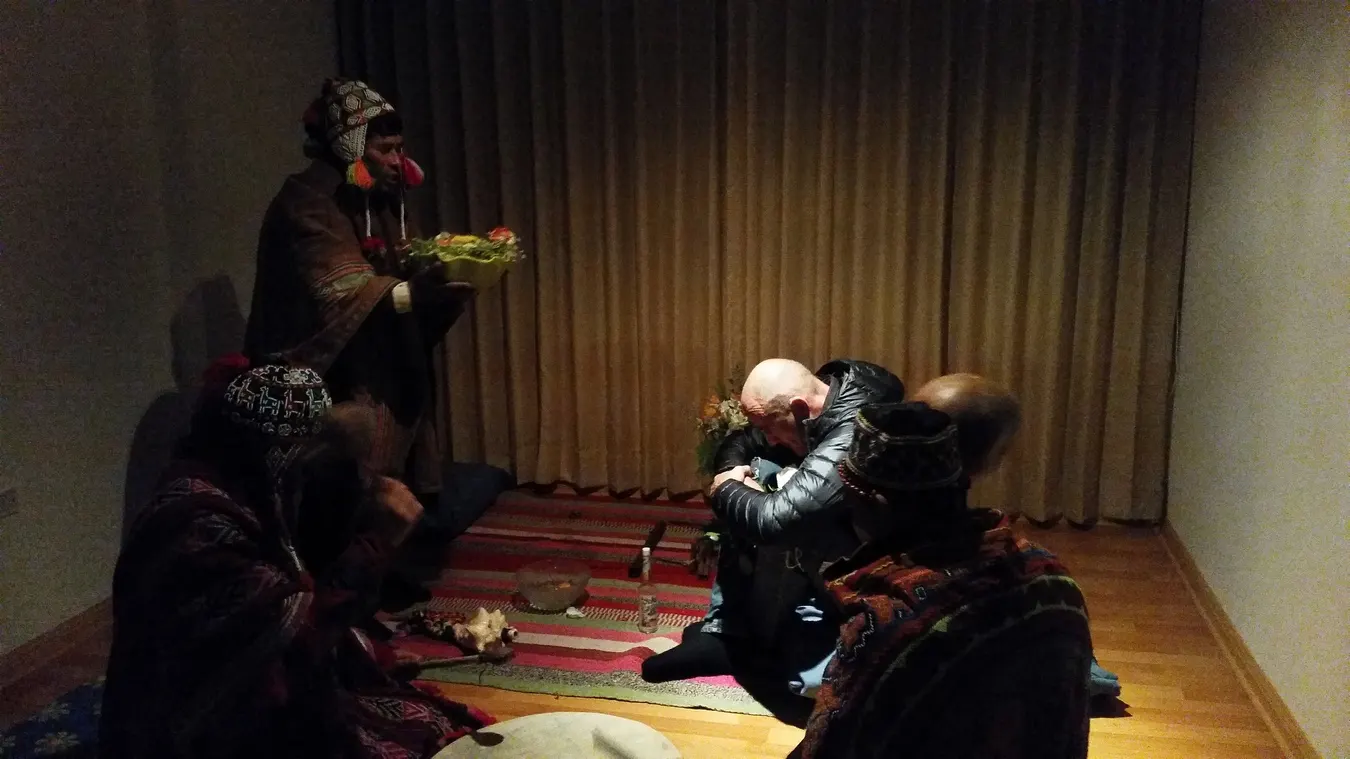
1 Day Ayahuasca Retreat Cusco
Designed for visitors with little time seeking a profound spiritual experience, the 1 Day Ayahuasca Retreat in Cusco, Peru is meant for them.
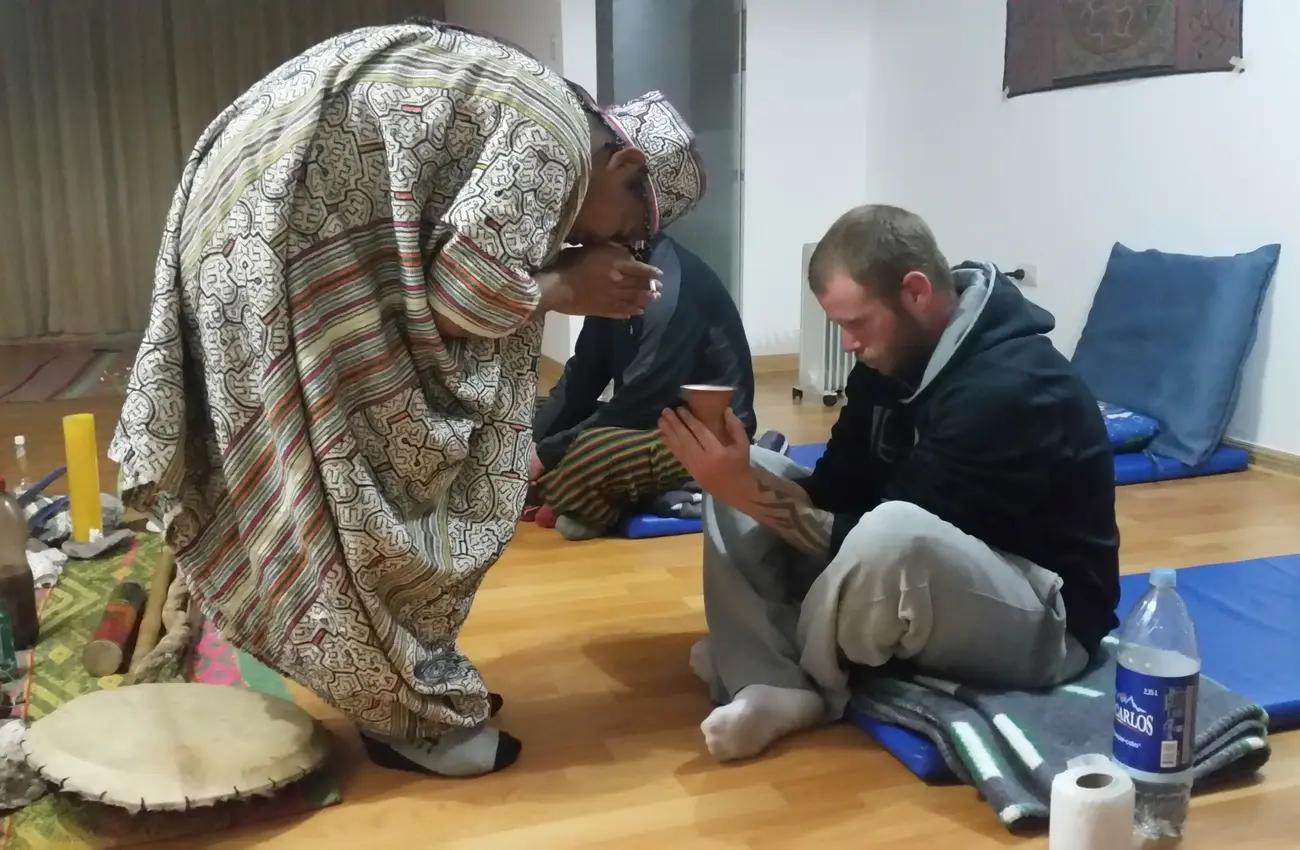
2 Day Ayahuasca Retreat Cusco
Our 2 Day Ayahuasca Retreat Cusco Peru offers a sacred space for those who seek profound healing and self-discovery in a short yet powerful journey.
Physical Benefits: The Purge and Beyond
The first thing many newcomers ask about is the purge. Roughly 70% of participants experience vomiting at some point during a ceremony — and in traditional Amazonian understanding, this is not a side effect to manage. It is part of the medicine.
Curanderos call it la purga (the purge), and they regard it as a form of energetic and physical release: the body expelling accumulated toxins, emotional residue, and stagnant energy that the medicine has drawn to the surface. Whether one accepts the spiritual framing or not, the physical reality is consistent: participants who purge typically report feeling significantly lighter and clearer immediately afterward, rather than depleted.
Beyond purging, participants commonly report waking after a ceremony with a sense of physical ease they haven’t felt in years — reduced tension in the body, less chronic pain in some cases, and a general sense of energetic renewal. These experiences haven’t been as rigorously studied as the psychological effects, but they are consistent enough across traditions and participants to be worth noting.
The beta-carbolines in Banisteriopsis caapi — harmine, harmaline, and tetrahydroharmine — also have documented anti-inflammatory properties, and preclinical research has identified potential antimicrobial effects. A systematic review published in Plants (MDPI) covering 66 peer-reviewed studies concluded that ayahuasca shows therapeutic potential across physical conditions as well as psychological ones, though the evidence base for physical benefits remains less developed than for mental health outcomes.
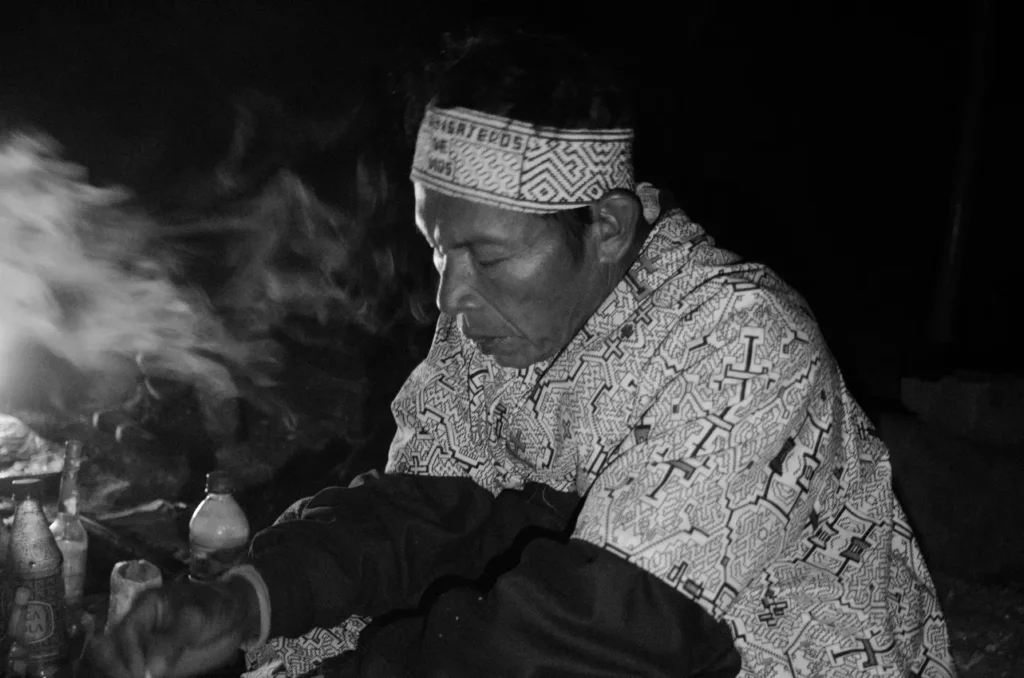
Mental and Emotional Benefits
This is where the clearest evidence lives — and where the personal testimonies of participants align most directly with what researchers have begun measuring.
Releasing Emotional Trauma
Ayahuasca has a consistent pattern of surfacing material that has been buried: repressed memories, grief that was never fully processed, emotional patterns so habitual they became invisible. For many people, this is uncomfortable. For many of those same people, it’s also the first time in years they’ve been able to actually feel something they’ve been carrying.
Unlike conventional talk therapy, which works primarily through conscious narrative, ayahuasca appears to access pre-verbal and somatic dimensions of emotional experience — feelings stored in the body and the implicit memory system rather than in explicit recollection. The process can be intense, but the ceremonial container provided by an experienced shaman, and the support of trained facilitators, makes it navigable.
Increased Self-Awareness and Clarity
Participants consistently describe a heightened capacity to see their own patterns — defensiveness, self-deception, chronic avoidance — with a clarity that ordinary reflection rarely produces. Many describe it as being shown something rather than figuring something out. The insight feels arrived at rather than constructed.
This increased self-awareness often persists well beyond the ceremony itself. A study published in Frontiers in Pharmacology found persisting effects on decentering (the ability to observe one’s own thoughts and feelings without identifying with them), self-transcendence, and well-being at one month post-ceremony — changes associated with both therapeutic outcomes and personal growth.
Reduced Anxiety
Multiple studies have found significant reductions in anxiety symptoms following ayahuasca use, both in clinical populations and general participants. The mechanism isn’t entirely understood, but the reduced activity in the default mode network — the brain region most associated with anticipatory worry and self-referential thought — provides a plausible neurological explanation.
Participants describe the anxiety reduction not as numbness or suppression, but as a genuine shift in relationship with fearful thoughts. The difference between this and pharmaceutical anxiolytics is meaningful: rather than dampening the experience, ayahuasca tends to bring its roots into view.
Ayahuasca for Depression
The evidence for ayahuasca’s antidepressant effects is the most developed area of current research, and the findings are worth taking seriously — with appropriate context.
A landmark study published in Frontiers in Psychiatry in early 2026 followed 280 adults with depressive disorders, generalized anxiety, and substance use conditions over a six-month period. Depression scores dropped significantly after ayahuasca intervention, and those improvements remained measurable at the 180-day follow-up. This is not a short-term mood lift; the signal persists.
Research published in Scientific Reports found that among first-time ayahuasca users who met diagnostic criteria for psychiatric disorders at baseline, over 80% showed measurable clinical improvements at six months post-ceremony. Long-term users in the same study showed lower depression scores and higher quality-of-life ratings than the general comparison group.
A review published in ScienceDirect (European Neuropsychopharmacology) concluded that evidence for ayahuasca’s antidepressant effects is “currently the most consistent” finding across the research literature — more consistent than evidence for any other condition studied.
The proposed mechanism involves neuroplasticity: ayahuasca appears to facilitate the growth of new neural connections and increase brain-derived neurotrophic factor (BDNF), a protein essential for the survival and growth of neurons. In depression, neuroplasticity is typically impaired. What ayahuasca may do, in part, is help restore it.
Two important caveats deserve mention. First, most studies are observational rather than randomized controlled trials, which limits the strength of causal conclusions. Second, ayahuasca is contraindicated for people taking SSRIs and other antidepressants — the pharmacological interaction can be dangerous. Anyone considering ayahuasca for depression-related reasons should discuss this with their prescribing physician well in advance.

Ayahuasca for Trauma and PTSD
Trauma healing is one of the most commonly cited reasons people seek out ayahuasca — and one of the areas where both traditional knowledge and emerging research converge most clearly.
Preclinical research has shown that ayahuasca can interfere with the reconsolidation of traumatic memories — essentially reducing the emotional charge of aversive memories without erasing their content. In animal studies, oral administration of ayahuasca after the reactivation of a fear memory led to sustained reduction in fear responses in the following days, suggesting disruption of traumatic memory restabilization.
In human studies, qualitative research has consistently found that participants with histories of trauma describe processing those traumas during ayahuasca-induced visions, with associated improvements in trauma symptoms, emotional well-being, and daily functioning. A study published in Frontiers in Psychiatry found that ceremonial ayahuasca use among refugees and immigrants exposed to complex trauma was associated with significant reductions in depression, anxiety, and shame — with positive changes persisting months after the experience.
The mechanism here seems to involve the combination of increased emotional accessibility (the medicine brings what has been avoided into awareness) and reduced defensive reactivity (the altered state allows engagement with difficult material without the usual protective shutting-down). This is why many researchers have described the ayahuasca experience as analogous to several years of intensive psychotherapy compressed into a single night — not because it’s a shortcut, but because of the depth of access it provides.
Ayahuasca for Addiction and Substance Use
Traditional Amazonian healing has long included work with addiction — tobacco, alcohol, and other forms of compulsive behavior were addressed through ceremonial plant medicine long before Western addiction medicine existed.
Contemporary research is beginning to reflect this. Studies have found that ayahuasca use is associated with reduced problematic use of alcohol, cocaine, tobacco, and opioids in observational cohorts. A review in Current Addiction Reports (Springer, 2026) identified ayahuasca as showing therapeutic potential across substance use disorders, alongside depression and anxiety.
The mechanisms are multiple. Ayahuasca tends to produce what researchers call “prospective agency” — a renewed sense of future possibility and personal efficacy. It also frequently surfaces the emotional roots of addictive behavior: the grief, trauma, or unmet need that the substance was originally managing. When those roots are addressed directly, the compulsion sometimes loses its grip.
This does not mean ayahuasca is a magic solution for addiction. Lasting recovery requires sustained effort and support. But for some individuals who have not responded to conventional treatment approaches, the ceremonial work provides a kind of reset — a new vantage point from which different choices become possible.
Cognitive Benefits: Memory, Creativity, and Social Cognition
This is an area of benefit that receives less attention in general writing on ayahuasca but is supported by growing research.
A cross-sectional study published in European Archives of Psychiatry and Clinical Neuroscience in 2025 found that long-term ayahuasca users showed preserved global cognitive function and improved memory compared to matched controls — challenging the assumption that regular psychedelic use impairs cognition. The opposite pattern emerged.
A neuroimaging study published in Social Cognitive and Affective Neuroscience in early 2026 found that ayahuasca significantly enhanced connectivity in brain networks associated with social cognition, empathy, and perspective-taking. Participants reported improved perceived social relationships at one-week follow-up. The researchers described a “novel mechanism of action” linking ayahuasca to enhanced social information processing — which may partially explain the increased sense of connectedness and compassion that participants commonly report.
Research published in Frontiers in Pharmacology has also documented persisting improvements in creative thinking and cognitive flexibility following ayahuasca ceremonies. The medicine appears to loosen habitual associative patterns, allowing new connections between ideas and experiences to form.
Spiritual Benefits
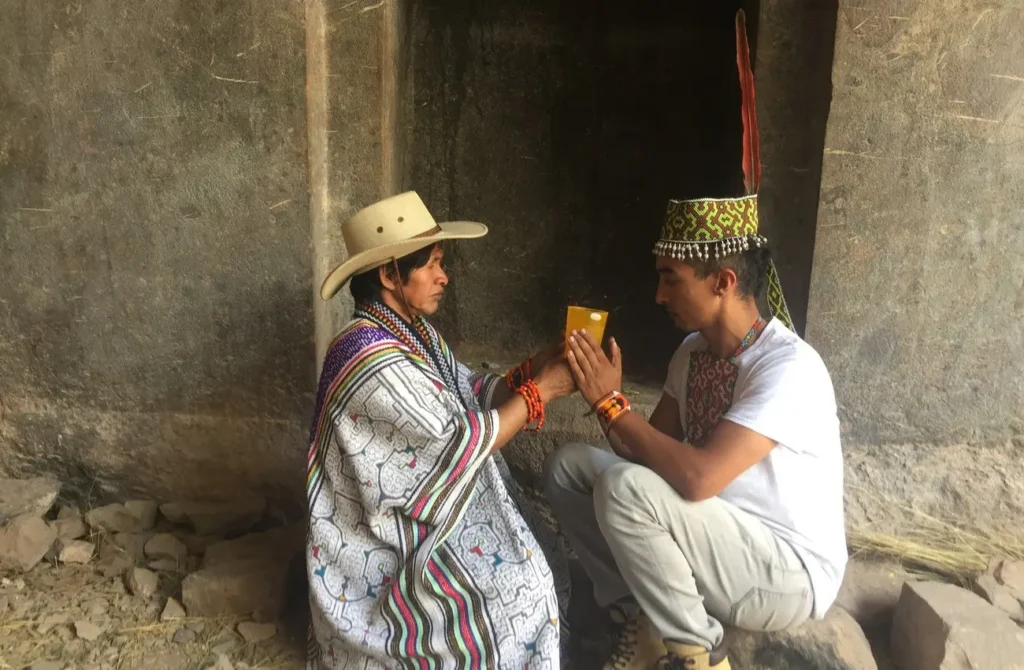
For the traditions that originated ayahuasca, everything described above falls within what they would call the spiritual. Depression, addiction, trauma, fractured relationships — these are understood as imbalances in the relationship between a person and the larger web of life, ancestors, and spirit. The ceremony is the context in which those imbalances can be seen and addressed.
From this perspective, the spiritual benefits of ayahuasca are not separate from the psychological or physical ones — they are their source. The medicine is understood to work at the level of cause rather than symptom.
In experiential terms, what participants describe as spiritual benefits includes: a sense of profound connection with nature and other people, contact with what they experience as ancestors or spirit guides, encounters with aspects of themselves that feel deeper than ordinary personality, and a shift in fundamental orientation from fear toward love or gratitude.
Whether these experiences are interpreted through an indigenous spiritual framework, a secular psychological one, or something in between, they are consistently reported as among the most meaningful of participants’ lives — and consistently associated with lasting positive change when properly supported.
Long-Term Benefits: What Persists After the Ceremony
One of the questions that matters most practically is: what actually stays?
The research gives a useful answer here. The most durable benefits documented in studies are in the domains of depression symptoms, anxiety reduction, and what researchers call “psychological well-being” — a composite of self-acceptance, sense of purpose, quality of relationships, and personal growth. These changes have been measured at one month, three months, and six months post-ceremony, with improvement generally persisting rather than fading.
The Frontiers in Pharmacology study on persisting effects documented changes in personality traits — specifically increased openness and reduced neuroticism — at one-month follow-up. Personality traits are among the most stable psychological variables measured; changes in them within weeks of a single experience are unusual in the research literature.
Long-term users of ayahuasca in ceremonial contexts (multiple ceremonies over years) show a different profile from occasional users: lower depression, higher self-transcendence, better quality of life, and — importantly — preserved cognitive function. The picture that emerges from the longitudinal research is not of a one-time intervention but of an ongoing relationship with the medicine as a tool for continued self-development.
What all studies agree on is this: the durability of benefits is strongly tied to integration. Ceremonial experiences that are not processed, reflected on, and gradually embodied in daily life tend to fade. Those that are — through journaling, therapeutic support, changes in habits, or simply sustained attention to what the medicine showed — tend to last.
Who May Not Benefit — and Who Should Not Participate
Honesty about contraindications is part of responsible guidance in this space, and no article on the benefits of ayahuasca is complete without addressing the people for whom it is not appropriate.
Absolute contraindications include:
People taking SSRIs, MAOIs, tricyclic antidepressants, or lithium. The interaction between these medications and ayahuasca’s beta-carboline MAO inhibitors can cause serotonin syndrome — a potentially life-threatening condition. Tapering off these medications requires weeks of medical supervision and should never be done abruptly or without a physician’s guidance.
People with a personal or family history of schizophrenia, schizoaffective disorder, or bipolar disorder with psychotic features. Ayahuasca can amplify or trigger psychotic episodes in vulnerable individuals, and the research consistently flags this population as one for whom the risks substantially outweigh the potential benefits.
Pregnancy and certain cardiovascular conditions are also absolute contraindications.
Situations requiring careful evaluation:
Active grief or acute mental health crises do not automatically disqualify someone, but they require careful assessment and a retreat center with experienced psychological support. Ayahuasca in the right ceremonial context has helped people process grief — but the experience can also intensify emotional states significantly, and the container needs to be robust enough to hold that.
A legitimate ceremony provider will screen participants for all of this. If a center does not ask detailed health questions before accepting bookings, that is a meaningful warning sign.
The Role of Set, Setting, and Integration
The benefits of ayahuasca are not produced by the brew alone. The research consistently demonstrates that outcomes depend heavily on three factors:
Set — the mindset, intentions, and psychological preparation of the participant. Someone who arrives with clarity about what they’re hoping to work on, who has prepared through the dietary protocol, and who has developed some capacity to stay present with difficult emotions is better positioned to benefit than someone who has done none of that preparation.
Setting — the physical environment, the quality of the ceremonial container, and above all the experience and skill of the shaman. A ceremony held in a safe, intentional space by a trained healer produces a fundamentally different experience than the same brew in an unsafe or poorly held context.
Integration — the period after the ceremony when the insights, emotions, and shifts in perspective are processed and translated into lasting change. This is where most of the work actually happens, and where most retreat centers fall short. A well-supported integration process — whether through therapeutic support, community, journaling, or structured follow-up — is what separates a powerful memory from a lasting transformation.
Experiencing the Benefits of Ayahuasca in Cusco
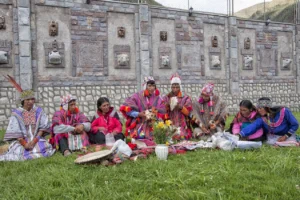
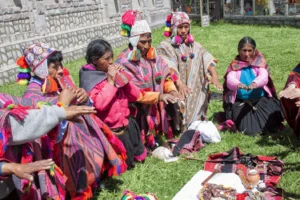
Cusco occupies a singular position in the landscape of ayahuasca work. Unlike the Amazon jungle settings most associated with this medicine, Cusco sits at 3,400 meters in the heart of Inca territory — surrounded by Apus (sacred mountains), ancient ceremonial sites, and a living tradition of Andean healing that integrates seamlessly with Amazonian plant medicine practice.
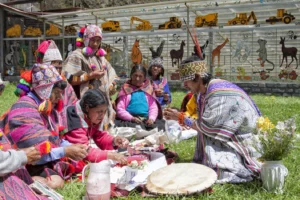
The ceremonies held in and around Cusco blend two lineages. The icaros (healing songs) may draw from both Shipibo Amazonian tradition and Andean cosmology. The presence of Pachamama, the Apus, and the energetic charge of the Sacred Valley creates a ceremonial context that participants consistently describe as distinctive — heightened in some difficult-to-articulate way that the geography of the Andes seems to amplify.
For those already traveling to Peru for Machu Picchu or the Sacred Valley, the proximity to these sacred sites makes Cusco a natural place to engage with this medicine. The physical and spiritual geography work together.
Our programs range from a 1-day ceremony for those with limited time to a 7-day immersion that combines multiple ceremonies with integration sessions and Andean ritual. Each is guided by experienced shamans with roots in both the Amazonian and Andean traditions, with support throughout for preparation and post-ceremony integration.
Frequently Asked Questions
How quickly do the benefits of ayahuasca appear?
Some shifts are felt immediately — emotional releases, perspective changes, or physical lightness after the purge. Others unfold over days, weeks, and sometimes months as the integration process continues. The research on long-term benefits consistently finds measurable improvements at 30, 90, and 180 days post-ceremony, which suggests the medicine’s work continues well beyond the night of the experience itself.
Can ayahuasca help with grief?
Grief is one of the areas where emerging research and traditional knowledge align most closely. Ayahuasca has been used ceremonially to work with loss for centuries, and preliminary clinical evidence suggests it can facilitate grief processing in ways that conventional approaches sometimes cannot. Several published studies have specifically identified grief as a promising area for further investigation. The experience of connecting with ancestors or departed loved ones during ceremony — whatever the metaphysical interpretation — is commonly reported and commonly described as healing.
Is one ceremony enough to experience the benefits?
A single ceremony can produce significant effects. That said, most experienced practitioners and researchers suggest that multiple ceremonies allow for deeper work — each ceremony building on what the previous one opened. A 3-day retreat with two ceremonies offers considerably more depth than a single night, and a 5-day or 7-day retreat allows for a genuinely immersive process. The right choice depends on your intentions, your available time, and your prior experience.
Do the benefits apply to people without mental health conditions?
Yes. While much of the clinical research focuses on measurable outcomes in people with diagnosable conditions (depression, PTSD, addiction), the benefits reported by people who arrive without specific diagnoses are equally real — and perhaps even more consistent, because the experience isn’t being used to address acute distress. Increased self-awareness, clarity of purpose, enhanced creativity, and a deepened sense of connection with other people and with life itself are commonly reported regardless of baseline mental health status.
How is ayahuasca different from other psychedelics in terms of benefits?
The combination of duration (4–6 hours), the ceremonial context, the presence of the shaman and icaros, and the specific pharmacological profile of the brew makes ayahuasca meaningfully different from other psychedelic substances. Psilocybin and LSD produce altered states, but the ceremonial container of ayahuasca — the setting, the songs, the healer’s ongoing guidance — creates a structured framework for therapeutic work that research consistently identifies as a crucial variable in outcomes. The purge also distinguishes it: the physical release is considered integral to the process in ways that have no parallel in other substances.
What should I do after a ceremony to maximize the benefits?
Give yourself at least one full day of rest and gentle activity before resuming normal responsibilities. Journaling — both immediately after the ceremony and in the days that follow — helps capture insights before they fade. Avoiding alcohol and stimulants for at least a week allows the process to continue undisturbed. Working with a therapist familiar with psychedelic integration, or participating in an integration circle, can significantly deepen the lasting impact of the experience. Our team provides follow-up support for all retreat participants for this reason.
Ready to experience the benefits of ayahuasca in the Sacred Valley of Peru? Contact us to discuss which program is the right fit for your intentions — or explore our retreats, from a single-day ceremony to a complete 7-day healing journey.