The short answer is yes. Ayahuasca is legal in Peru — and has been formally protected by law since 2008. But the short answer doesn’t tell you what you actually need to know before booking a retreat, traveling from abroad, or making decisions about a substance that is classified as controlled in most of the world.
The legal reality of ayahuasca in Peru is layered. It involves Peruvian domestic law, an international treaty from 1971 that most countries signed, a specific reservation that Peru made to that treaty, and a set of practical considerations that every foreign visitor should understand clearly before arriving. This guide covers all of it — including the parts that most retreat centers prefer not to mention.
Table of Contents
Ayahuasca Retreats in Cusco
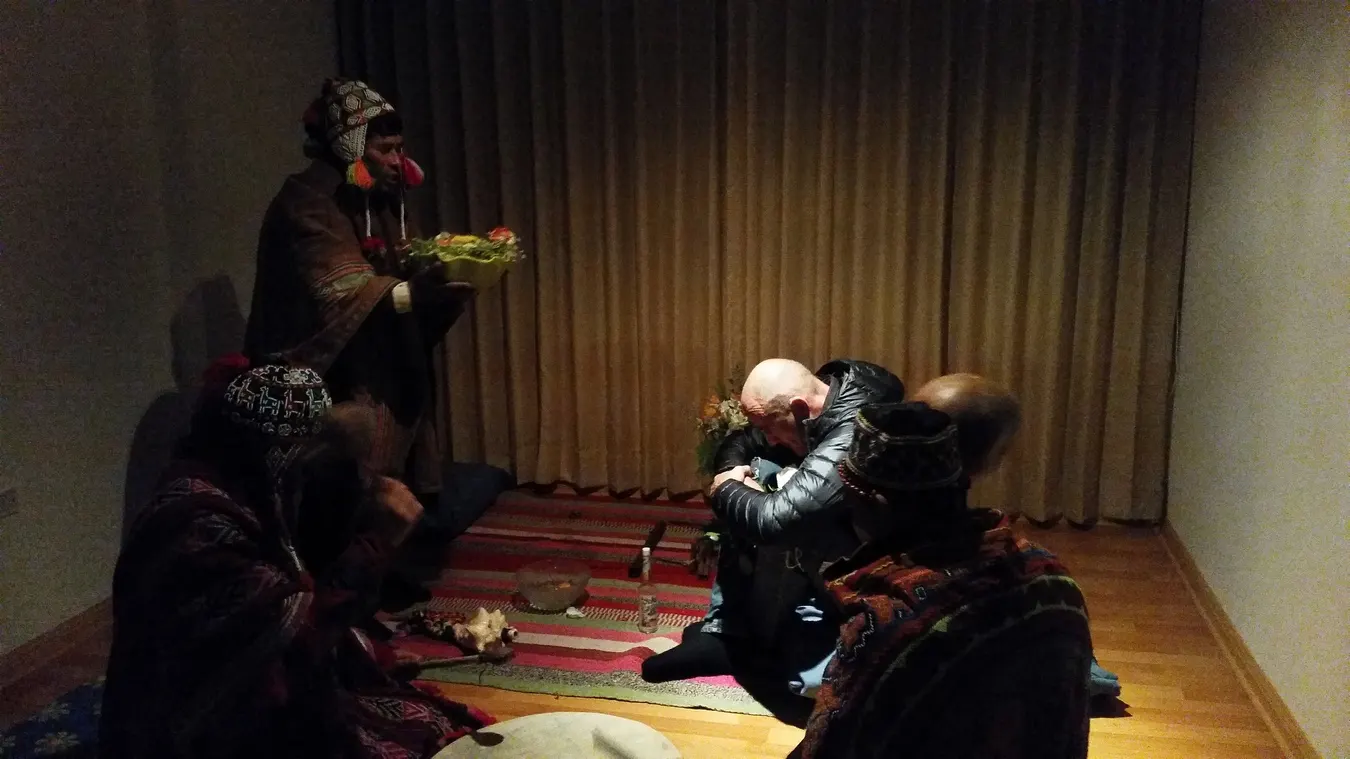
1 Day Ayahuasca Retreat Cusco
Designed for visitors with little time seeking a profound spiritual experience, the 1 Day Ayahuasca Retreat in Cusco, Peru is meant for them.
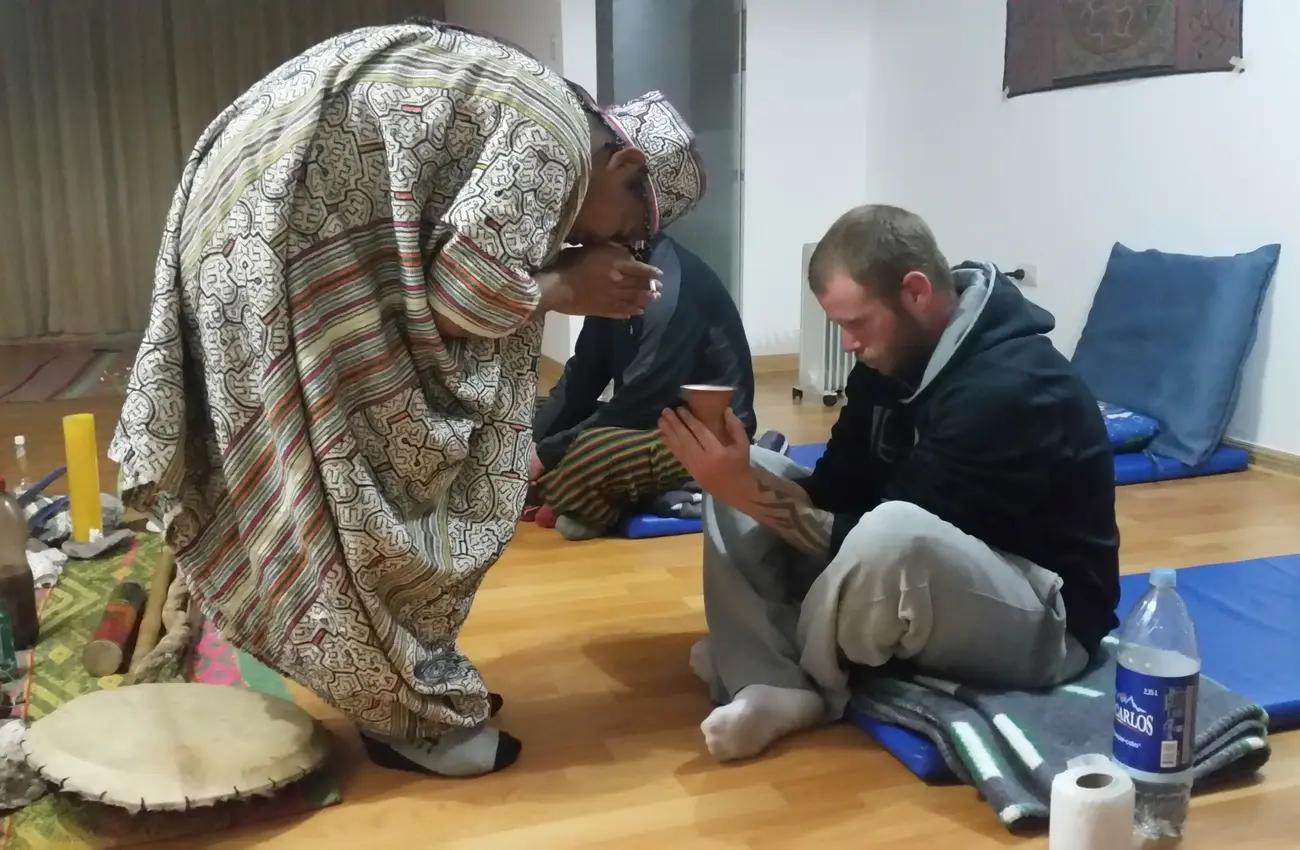
2 Day Ayahuasca Retreat Cusco
Our 2 Day Ayahuasca Retreat Cusco Peru offers a sacred space for those who seek profound healing and self-discovery in a short yet powerful journey.
The Legal Status of Ayahuasca in Peru
Ayahuasca is legal in Peru for ceremonial, therapeutic, and traditional spiritual use. No participant in a legitimate ayahuasca ceremony faces criminal liability under Peruvian law. This applies to Peruvian nationals and foreign visitors alike.
This position didn’t emerge from a policy experiment or a recent political shift. It reflects a deliberate and historically grounded recognition that ayahuasca is part of Peru’s cultural and spiritual identity — a practice that predates the Peruvian state by centuries, if not millennia. The vine grows wild throughout the upper Amazon, and indigenous communities throughout the region have used it continuously in healing and ceremonial contexts.
What Peru has done, formally and legally, is acknowledge that fact and protect it.
The 2008 Cultural Heritage Declaration: What It Actually Says
On June 24, 2008, the Peruvian National Institute of Culture (Instituto Nacional de Cultura, INC) issued National Directoral Resolution No. 836/INC, formally declaring the traditional knowledge and uses of ayahuasca as Patrimonio Cultural de la Nación — National Cultural Patrimony.
The declaration is worth understanding in detail, because its precise language matters.
The INC resolution recognizes ayahuasca as an element of Peru’s living cultural heritage — specifically the traditional knowledge of indigenous Amazonian communities who have used it for healing, divination, and spiritual practice throughout recorded and pre-recorded history. It identifies the threat of decontextualized, commercial use as something the declaration is meant to distinguish from the traditional practices it protects.
In the director’s own framing at the time, the declaration was intended to protect traditional use by indigenous communities and explicitly to distance that protection from what he called “decontextualized, consumerist, and commercial” use of the medicine.
This distinction has become increasingly relevant as ayahuasca tourism has grown substantially since 2008. The cultural heritage status protects the tradition; it does not create a blanket authorization for any business operating under the ayahuasca banner.
Peru’s Reservation to the 1971 Convention on Psychotropic Substances
This is the piece of the legal puzzle that most articles on ayahuasca legality in Peru overlook entirely — and it’s among the most important.
When Peru signed the United Nations Convention on Psychotropic Substances in 1971, it included a formal reservation specifically for ayahuasca and the San Pedro cactus. This reservation means that Peru explicitly carved out these traditional plant medicines from the scope of the convention’s controls as they applied to Peruvian territory and indigenous practices.
The 1971 Convention classified DMT — N,N-Dimethyltryptamine, one of the primary active compounds in ayahuasca — as a Schedule I controlled substance under international law. Most countries that signed the convention implemented this classification in their domestic legislation.
Peru’s reservation established a legal foundation for protecting ayahuasca use long before the 2008 cultural heritage declaration. Together, these two instruments create a coherent legal framework: a formal international position and a domestic cultural recognition, both pointing in the same direction.
What the convention itself also clarifies — and what ICEERS, the International Center for Ethnobotanical Education, Research and Service, has documented — is that the 1971 Convention does not regulate natural plant materials containing controlled substances. The plants themselves — Banisteriopsis caapi and Psychotria viridis — are not scheduled under international law. Individual countries make their own decisions about whether to extend controls to plant preparations. Peru’s decision, grounded in its treaty reservation and cultural recognition, has been to protect them.
The DMT Question: How Peru Navigates International Drug Law
DMT is Schedule I under the UN Convention. In the United States, the United Kingdom, Germany, Australia, and most of the world, it is a controlled substance. Its presence in ayahuasca is what creates legal complexity for visitors from these countries — not in Peru, but when they return home.
Peru’s position is legally coherent: the country made a specific reservation to the convention that carved out traditional plant medicine use. The Peruvian Constitution also provides protections for indigenous cultural practices. These two legal pillars allow Peru to maintain a position on ayahuasca that differs from most of the world without violating its international obligations.
The result is a jurisdiction where the ceremonial use of ayahuasca is fully legal, where retreat centers can operate openly, where shamans practice without fear of prosecution, and where foreign visitors can participate in ceremonies without legal risk on Peruvian soil.
What happens when those visitors return to their home countries is a separate question entirely.
What the Law Protects — and What It Doesn’t
The cultural heritage declaration and Peru’s treaty reservation protect the traditional, ceremonial use of ayahuasca. They do not constitute a general license for all activities associated with the medicine.
A few important distinctions:
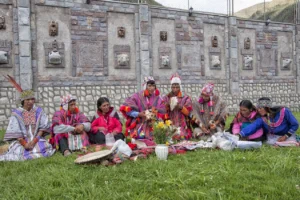
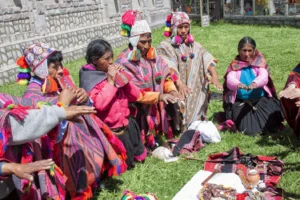
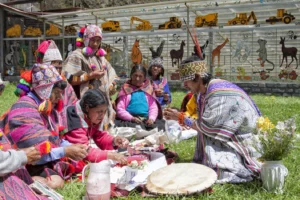
What is protected: Ceremonial use of ayahuasca led by trained healers (curanderos, maestros ayahuasqueros) for healing, spiritual, or cultural purposes. This includes retreats that operate within the traditional ceremonial framework, even when participants are foreign visitors.
What is not regulated but also not protected: Purely commercial operations that strip the medicine of its ceremonial context, use inadequately trained personnel, or market ayahuasca primarily as a tourism product. These exist in a grayer area — technically not illegal, but not sheltered by the cultural heritage protection either, and increasingly scrutinized.
What is not permitted anywhere: Exporting ayahuasca or its components across international borders into countries where DMT is a controlled substance. This is not a gray area. It is a violation of the drug laws of the destination country and of international trafficking frameworks.
The growth of ayahuasca tourism since 2008 has created pressure on regulators to develop more specific frameworks for retreat center operation. As of 2026, Peru has not implemented a comprehensive licensing system for retreat centers, which means the quality and integrity of operations varies significantly. Legal status in Peru does not guarantee safety, ethical operation, or authentic ceremonial practice.
Is Ayahuasca Legal for Foreign Tourists in Peru?
Yes. Foreign visitors who participate in ayahuasca ceremonies at legitimate retreat centers in Peru face no legal consequences under Peruvian law. The cultural heritage protection extends to the ceremonial practice itself, regardless of the nationality of participants.
Thousands of international visitors participate in ceremonies in Cusco, the Sacred Valley, Iquitos, and throughout Peru each year. No foreign national has been prosecuted in Peru for participating in an ayahuasca ceremony at a legitimate retreat center.
The practical considerations for foreign tourists are not primarily legal — they are about health, safety, and the quality of the ceremonial container. These matter enormously and are addressed in more detail in the section on choosing a retreat.
The U.S. Embassy Warning: What It Says and What It Means
In January 2025, the U.S. Embassy in Lima issued a health alert recommending that U.S. citizens visiting Peru not ingest ayahuasca or kambo. The alert cited incidents in 2024 involving U.S. citizens who died or experienced severe illness following ayahuasca consumption, several of whom were in remote locations without access to medical facilities.
Any honest guide to ayahuasca in Peru should address this document directly, because it appears in search results and many prospective participants encounter it.
What the Embassy alert describes is a real concern — but it is specifically about unregulated, poorly run, or fraudulent operations. The incidents cited occurred, according to the alert, in remote areas far from medical care, often at facilities that were not operating within legitimate ceremonial frameworks. The Embassy also noted incidents of theft and assault at what it described as “healing” or “retreat” centers operating without proper oversight.
What the Embassy alert does not say is that ayahuasca ceremonies at legitimate, professionally run retreat centers in established locations like Cusco are inherently dangerous. The distinction between a reputable center with medical screening, experienced healers, trained facilitators, and an emergency plan — and an unvetted operation in a remote jungle setting — is the relevant one here.
The Embassy’s warning is a reflection of a real problem: the rapid commercialization of ayahuasca tourism has created conditions where unqualified operators can attract foreign visitors with serious consequences. This is precisely why choosing a center carefully is not a minor consideration.
The warning does not change the legal status of ayahuasca in Peru. It is a health advisory from one government to its citizens, not a legal assessment of Peruvian law.
Taking Ayahuasca Out of Peru: A Hard Legal Line
This point deserves complete clarity: taking ayahuasca out of Peru is illegal.
The brew contains DMT, which is a Schedule I controlled substance in the United States, the United Kingdom, Australia, most of Europe, and the majority of countries worldwide. Transporting it across international borders constitutes drug trafficking under the laws of those countries, regardless of the ceremonial or therapeutic context in which it was obtained.
Peruvian law does not follow you onto the plane. The moment you cross into a jurisdiction where DMT is controlled, you are subject to that country’s laws.
This means no bottled brew in luggage, no concentrated samples, no personal quantities for continued use at home. The experience must remain in Peru.
It also means that purchasing ayahuasca from a street vendor or informal operator and attempting to leave with it is a serious criminal risk — not a customs inconvenience. Several travelers have faced prosecution in their home countries for exactly this.
Ayahuasca’s Legal Status in Your Home Country
Understanding the legal situation at home matters if you’re planning to discuss your experience openly, or if you’re wondering about the broader context.
United States: DMT is Schedule I under federal law. There are no legal ayahuasca ceremonies available under federal authorization outside of specific religious exemptions granted to churches like the União do Vegetal and Santo Daime through court rulings. Participating in a ceremony in Peru is legal under Peruvian law; discussing it at home is not a crime, but bringing the medicine home is.
United Kingdom: DMT is Class A under the Misuse of Drugs Act. Ayahuasca has no religious or cultural exemption in UK law. Participation in Peru is legal there; importation would be a serious offense.
Germany: DMT is a controlled substance under the Narcotics Act (BtMG). No formal exemption exists for ceremonial use in Germany. Same practical situation as the UK.
Australia: DMT is Schedule 9 under the Therapeutic Goods Act. Australia has no exemptions for ceremonial ayahuasca use. Strict border controls mean importing the brew, even in trace amounts, carries significant legal risk.
Spain: DMT is included in List I of controlled substances. While personal use is not criminalized in Spain, importing ayahuasca would constitute drug trafficking. Several cases have reached Spanish courts, with inconsistent outcomes.
Netherlands: DMT is Schedule I under the Opium Act. Dutch courts have ruled against ayahuasca churches on several occasions. The legal situation is clearer than in some other countries: it is prohibited.
Canada: DMT is Schedule III under the Controlled Drugs and Substances Act, which paradoxically makes it less strictly classified than in some countries but still illegal without authorization. No general exemption exists for ceremonial use.
The consistent thread across all these jurisdictions: what is legal in Peru does not transfer home. The ceremony is legal; the medicine is not portable.
How to Choose a Retreat That Operates Within Legal and Ethical Standards
Legal status in Peru does not guarantee that a retreat center is operating safely, ethically, or authentically. Given the U.S. Embassy’s 2025 alert and the documented incidents in unregulated settings, how to identify a legitimate operation matters practically.
Experienced, identifiable shamans. A center should be able to tell you who leads the ceremonies — their name, their tradition, their lineage, and their years of practice. Anonymous or interchangeable “shamans” with no verifiable background are a warning sign.
Medical screening. Any legitimate center will ask for detailed health history before accepting participants. This is not a formality — it is a genuine safety measure. Contraindications for ayahuasca are real and potentially serious. A center that does not screen is one that should be avoided.
Transparent location and contact information. Legitimate operations have a fixed address, verifiable contact information, and a presence that extends beyond a social media account. Our center is located at Herrajes 148, second floor, Cusco — open daily and reachable before, during, and after your visit.
Clear protocols for emergencies. Ask directly what the center’s protocol is if a participant experiences a medical or psychological crisis. A clear, specific answer is reassuring; a vague one is not.
Integration support. A ceremony without integration support is incomplete. Reputable centers provide guidance before the ceremony, facilitation during it, and structured support afterward — not just a ceremony and a goodbye.
Realistic representation. Centers that promise guaranteed healing, specific outcomes, or mystical experiences without acknowledging the challenges and risks of the process are prioritizing marketing over honesty. The medicine is profound and it can be difficult. Ethical centers say so.
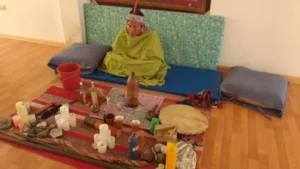
At Ayahuasca Cusco, every participant undergoes a health evaluation before any retreat, ceremonies are led by shamans with deep roots in Amazonian and Andean healing traditions, and post-ceremony integration support is included in every program — from our 1-day ceremony to our 7-day immersion.
Frequently Asked Questions
Is ayahuasca legal in Peru for foreigners, or only for Peruvian citizens?
The legal protection covers the ceremonial practice itself, not just Peruvian participants. Foreign visitors who participate in ayahuasca ceremonies at legitimate retreat centers in Peru face no legal risk under Peruvian law. The cultural heritage declaration protects the tradition; it does not restrict participation to nationals.
Can I be arrested in Peru for taking ayahuasca?
No, not for participating in a legitimate ceremony. Peru’s 2008 Cultural Heritage Declaration and its reservation to the 1971 Convention on Psychotropic Substances create a legal framework that protects ceremonial ayahuasca use. Participants in retreat ceremonies are not subject to prosecution.
Is the ayahuasca vine itself legal, or just the ceremony?
The plants used to prepare ayahuasca — Banisteriopsis caapi and Psychotria viridis — are not controlled under international drug conventions. The 1971 Convention regulates DMT as a substance but does not schedule the plants that contain it. Peru’s domestic law does not criminalize these plants. The brew prepared from them is protected in ceremonial contexts by the 2008 heritage declaration.
What happens if I’m caught trying to take ayahuasca out of Peru?
You would be subject to the drug laws of whichever country you are entering. DMT is Schedule I in the United States, Class A in the United Kingdom, and similarly classified in most major Western nations. Transporting the brew across international borders constitutes international drug trafficking under those countries’ laws. The consequences can be severe, including criminal prosecution and imprisonment. There is no ceremonial or therapeutic exemption that applies at foreign borders.
Does the U.S. Embassy warning mean ayahuasca retreats are dangerous?
The Embassy warning was directed at unregulated operations — particularly in remote jungle settings without medical access, safety protocols, or qualified healers. It is not a statement about all ayahuasca retreats in Peru. The incidents cited reflect real risks at unvetted operations. The appropriate response is to choose a retreat center with care, not to assume all ceremonies carry the same risk profile.
Is there a government agency in Peru that licenses or regulates retreat centers?
As of 2026, Peru does not have a comprehensive licensing system for ayahuasca retreat centers. This is an ongoing discussion in Peruvian cultural and public health policy, but no formal regulatory framework has been implemented. The absence of licensing means the burden of due diligence falls on the participant — which is precisely why researching a center thoroughly before booking matters.
Can I discuss my experience with ayahuasca in Peru when I return home?
Yes. Discussing or writing about a legal activity you participated in abroad is not a crime in any jurisdiction we are aware of. The legal risk, if any, involves the substance itself — not the conversation about having taken it.
If you have questions about our retreat programs, the ceremony process, or the health screening requirements before booking, we’re available by WhatsApp or at info@ayahuascacusco.com. We encourage every prospective participant to ask the questions that matter to them before deciding — and we will answer them honestly.
Explore our programs: 1-day ceremony · 3-day retreat · 5-day retreat · 7-day immersion
Effects of the Ayahuasca | Efectos de la Ayahuasca