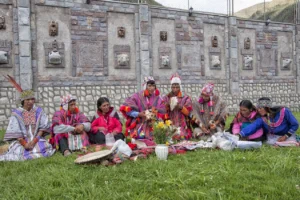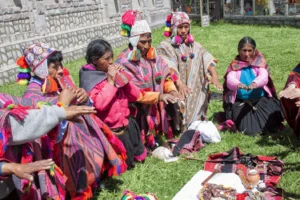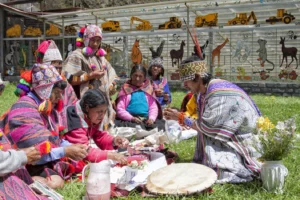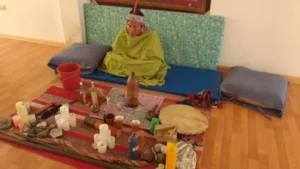
Preparation for a San Pedro ceremony begins long before the medicine is served. In the Andean tradition, the dietary period — la dieta — is understood as the beginning of the ceremony itself: a conscious act of clearing, of simplification, of coming into alignment with what you are about to experience.
The San Pedro Wachuma diet is less demanding than the ayahuasca dieta, and this is not incidental. It reflects a genuine pharmacological difference between the two medicines. Ayahuasca’s MAO inhibitors create specific and serious food interactions that make certain restrictions medically necessary. San Pedro does not contain MAO inhibitors — its primary compound is mescaline, a phenethylamine without those pharmacological constraints. The dietary protocol for Wachuma is less about preventing dangerous interactions and more about creating the cleanest, most receptive physical and emotional state possible for a ceremony that will last 8 to 12 hours.
That said, what you put into your body in the days before a ceremony matters — both for the quality of your physical experience and for the depth of what becomes available. This guide explains exactly what to eat, what to avoid, why each restriction matters, and how to approach the different phases of preparation.
Table of Contents
Why the San Pedro Diet Exists: Tradition and Pharmacology
The word dieta in the Andean and Amazonian healing traditions means more than diet in the nutritional sense. The ancient Greek understanding — diaita, meaning a way of life — is closer to the original intention. The dieta is a set of restrictions and practices that together constitute a period of conscious preparation: a clearing of the body, a quieting of the nervous system, and an alignment of intention before the ceremonial work begins.
From a traditional Andean perspective, San Pedro is a living teacher — Abuelo (Grandfather), in the common ceremonial designation. The dieta is an act of respect toward that teacher: an acknowledgment that you are preparing to receive something important and that the quality of your reception depends on the quality of your preparation. Entering ceremony with a heavy body, an overstimulated nervous system, and a chaotic emotional state creates friction between you and the medicine. Entering with a cleared, settled, intentional state creates alignment.
From a pharmacological perspective, the San Pedro diet serves a different function than the ayahuasca dieta. Because San Pedro contains mescaline — a phenethylamine — rather than DMT combined with MAO inhibitors, there is no tyramine interaction risk, no serotonin syndrome concern with food, and no requirement to avoid fermented products or aged cheeses for safety reasons. The dietary restrictions for San Pedro are oriented toward reducing digestive load, calming nervous system stimulation, and creating the most receptive physical state possible for a sustained altered-state experience rather than preventing dangerous pharmacological interactions.
Both purposes — traditional respect and physical preparation — point in the same direction. A simpler, cleaner, lighter diet in the days before ceremony serves both the tradition’s understanding and the participant’s practical needs.
The Dieta Chamánica vs. the Preparation Diet: Two Different Things
This distinction is almost never made in guides to San Pedro preparation, and it creates confusion worth clarifying.
The traditional chamanic dieta (dieta in the strict indigenous sense) is a prolonged practice of radical restriction — sometimes lasting weeks or months — undertaken by healers and their apprentices to develop a deep relationship with a specific plant spirit. The traditional dieta involves isolation, minimal and specific foods (often just plantains, rice, and fish), sexual abstinence, no social contact, and sustained ceremonial work. This is how curanderos develop their icaros, their connection to the medicine, and their healing abilities. It is not something that retreat participants are expected to do.
The preparation diet for ceremony participants is what this guide addresses: a simplified dietary and lifestyle protocol lasting a few days to a week before a ceremony, designed to clear the body and settle the mind. It is considerably less restrictive than the traditional chamanic dieta, and its purpose is preparation rather than apprenticeship.
Knowing this distinction prevents two errors: treating the preparation diet as more burdensome than it actually is, and dismissing it as a formality because it is “just” the shortened version of something else. The preparation diet is a real and meaningful practice. It is simply not the same as a healer’s dieta.
Ayahuasca Retreats in Cusco
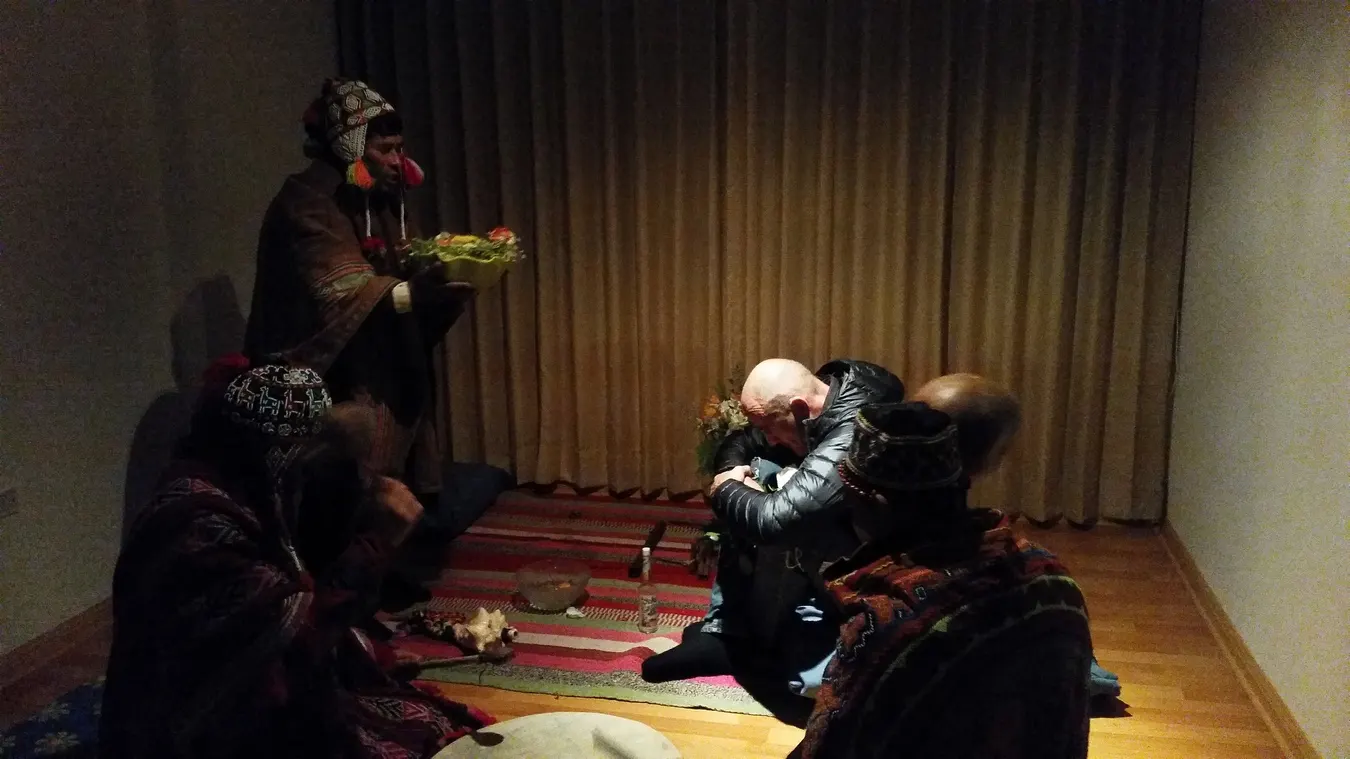
1 Day Ayahuasca Retreat Cusco
Designed for visitors with little time seeking a profound spiritual experience, the 1 Day Ayahuasca Retreat in Cusco, Peru is meant for them.
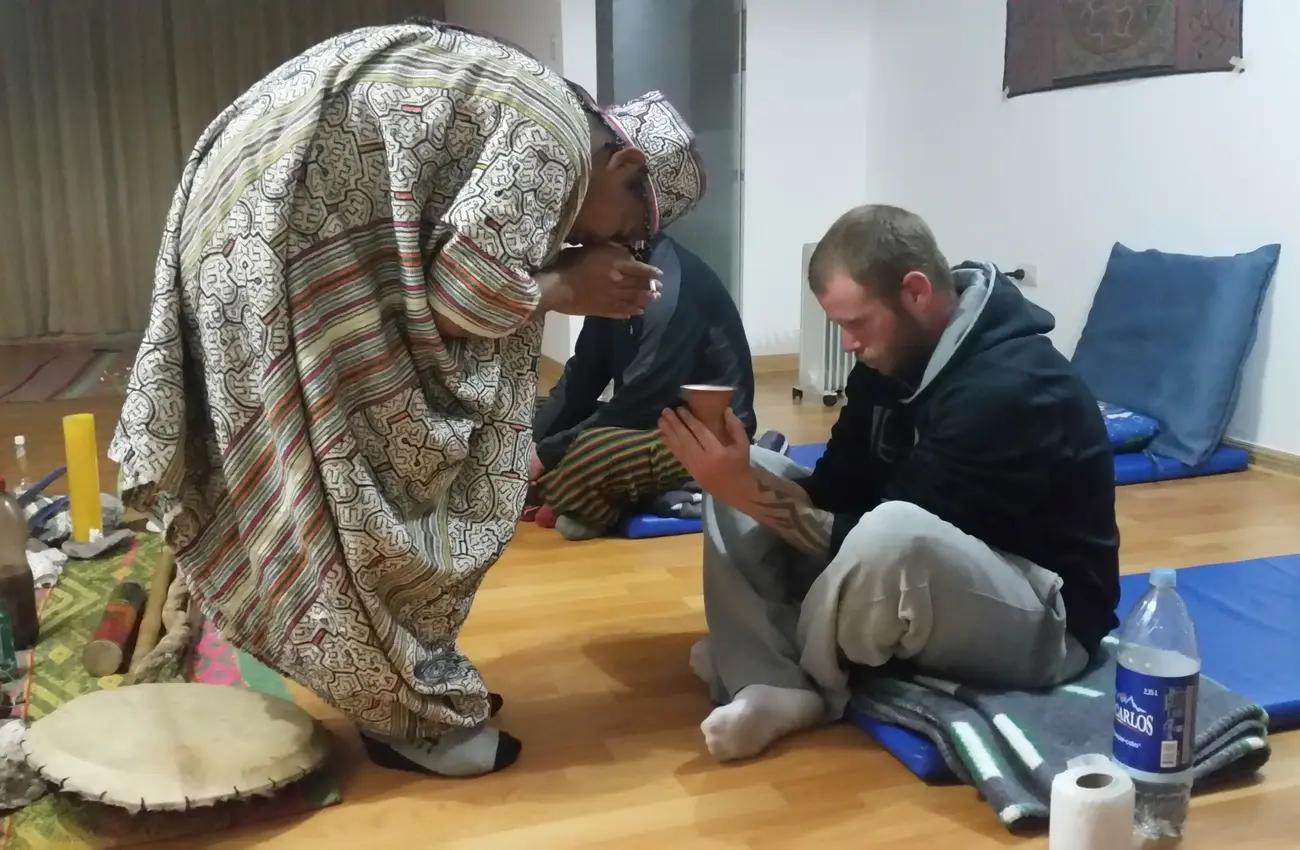
2 Day Ayahuasca Retreat Cusco
Our 2 Day Ayahuasca Retreat Cusco Peru offers a sacred space for those who seek profound healing and self-discovery in a short yet powerful journey.
How the San Pedro Diet Differs from the Ayahuasca Dieta
This is the most important pharmacological distinction for participants who have prior experience with ayahuasca dietas or who are researching both medicines simultaneously.
Ayahuasca contains beta-carboline alkaloids from the Banisteriopsis caapi vine that act as monoamine oxidase inhibitors (MAOIs). MAOIs temporarily block the enzyme that breaks down tyramine in the digestive system. Tyramine accumulation causes blood pressure elevation that can become dangerous with high-tyramine foods. This is why the ayahuasca dieta has a specific safety-critical list: aged cheeses, cured meats, fermented products, alcohol, and overripe fruits are not merely energetically inappropriate — they can cause genuine cardiovascular risk during an ayahuasca ceremony.
San Pedro contains mescaline and related phenethylamines. There are no MAO inhibitors. This means:
There is no tyramine interaction risk. Aged cheese, soy sauce, and cured meats do not carry the same pharmacological danger with San Pedro that they do with ayahuasca. The restriction on certain foods before a San Pedro ceremony is about reducing digestive load and physical heaviness, not about preventing hypertensive crisis.
There is no serotonin syndrome risk from food. The SSRI-MAOI interaction that makes ayahuasca incompatible with antidepressants does not apply in the same pharmacological way to San Pedro. Medication interactions still require attention (see the medications section below), but the mechanism is different.
The San Pedro diet is therefore genuinely less restrictive than the ayahuasca dieta. This is not a matter of opinion or tradition preference — it reflects a real difference in pharmacology. Participants who approach the San Pedro diet as if it were identical to the ayahuasca dieta are following a more restrictive protocol than necessary. Participants who assume there is no diet at all because “it’s not ayahuasca” are also incorrect — the preparation still matters, just for different reasons.
What to Avoid Before a San Pedro Ceremony
🔴 Avoid for at Least 7 Days Before
Alcohol and recreational drugs. These are the most important restrictions regardless of other considerations. Alcohol disrupts nervous system balance, depletes serotonin and dopamine regulation, and creates a quality of emotional agitation that directly interferes with the heart-centered opening San Pedro facilitates. Cannabis, MDMA, cocaine, and other recreational substances should be stopped at least one week before, and ideally two. The nervous system needs that time to return to its baseline.
Cannabis specifically. While cannabis does not interact with mescaline pharmacologically in the same way alcohol does, it significantly disrupts the quality of the San Pedro experience. Regular cannabis use tends to dull emotional sensitivity and reduce the clarity that makes the medicine’s teaching available. Most experienced facilitators recommend a minimum of one week without cannabis, and two weeks is better for regular users.
🟡 Avoid for at Least 3 Days Before
Red meat and pork. These are the heaviest foods in terms of digestive load. A ceremony that lasts 8 to 12 hours requires a digestive system that is not still processing dense animal proteins. Red meat in particular takes 24-72 hours to fully process, meaning that eating it the day before or even two days before can leave the body physically burdened during the ceremony. Pork is additionally considered energetically dense in the Andean ceremonial tradition.
Heavily processed and fried foods. Industrial seed oils, deep-fried foods, and ultra-processed products create a heaviness in the body that physically interferes with the medicine’s movement. San Pedro works closely with the body’s physical sensations — a gut still processing a heavy industrial meal is not in a receptive state.
Excess sugar and refined carbohydrates. Blood sugar instability during a long ceremony creates physical discomfort — the crash from a sugar spike is unpleasant in ordinary life and more pronounced during an altered state. Natural sugars from fresh fruit in moderation are fine; refined sugar and sweetened products are not.
Excess caffeine. Caffeine stimulates the sympathetic nervous system — the fight-or-flight system — in ways that run counter to the receptive, heart-centered quality that San Pedro cultivates. The medicine opens; caffeine closes. Most facilitators recommend tapering caffeine 3-5 days before ceremony to avoid the withdrawal headache coinciding with the preparation period.
Heavily spiced and irritating foods. Chilies, raw garlic, and hot spices can irritate the digestive tract and increase the likelihood of nausea during the ceremony. This is a practical consideration rather than a spiritual one.
Dairy in large quantities. Heavy dairy products — cream, hard cheese, butter in large amounts — add digestive load. Fresh, light dairy in small amounts is generally acceptable.
Citrus in excess. Some traditions specifically restrict citrus fruits. The practical reasoning is that large amounts of citric acid can increase gastric acidity, potentially increasing nausea. Moderate consumption of fresh fruit including citrus is generally fine.
What to Eat: Foods That Support the Preparation
The San Pedro Wachuma diet is fundamentally a diet of simplification rather than restriction. The question is less “what must I avoid?” and more “what nourishes without burdening?”
Grains and starches: Rice, quinoa, oats, amaranth, millet, sweet potato, regular potato, yuca. These provide steady energy without the heaviness of dense animal proteins or the instability of refined sugars. Quinoa is particularly appropriate given its Andean origin — a natural alignment between the preparation diet and the geographical tradition of the medicine.
Vegetables: Fresh and lightly cooked vegetables are ideal. Steaming and boiling are preferable to frying. Good choices: zucchini, broccoli, carrots, beets, leafy greens, cucumber, pumpkin, green beans. Variety is good; quantity should be moderate.
Fresh fruits: Banana, papaya, apple, pear, mango, melon, berries, peach — all in moderation. Avoid overripe fruit and large amounts of high-sugar tropical fruits.
Light proteins: Fresh fish (not smoked or cured) and eggs are excellent. Light chicken is acceptable. Lentils, chickpeas, and most legumes provide plant protein without digestive heaviness.
Fresh cheeses: Ricotta, cottage cheese, fresh mozzarella — unaged, unfermented, in moderation.
Herbal teas: Chamomile, peppermint, lemongrass, ginger, rosehip — all excellent. In Cusco specifically, mate de coca (coca leaf tea) is appropriate and beneficial for acclimatization in the days before ceremony.
Water: More than usual. The Andean highlands are dry at altitude; the body loses water through respiration at a rate that most visitors underestimate. Consistent hydration in the preparation period directly affects both the acclimatization process and the physical experience of the ceremony.
Hydration: The Most Overlooked Element
For a San Pedro ceremony in Cusco and the Sacred Valley, hydration deserves its own section because it interacts with both the altitude and the ceremony’s physical demands.
At 2,800 to 3,400 meters above sea level, the dry Andean air causes accelerated water loss through breathing — a process that continues even when you feel comfortable and aren’t exerting yourself. Many visitors to Cusco arrive already dehydrated without realizing it, because the sensation of thirst is not always proportional to actual water loss at altitude.
San Pedro ceremonies last 8 to 12 hours, often outdoors, exposed to Andean sun. A dehydrated body does not process mescaline the same way as a well-hydrated one, and dehydration contributes to the headaches and nausea that some participants experience during the ceremony.
The practical protocol: drink significantly more water than you normally would, starting from the day of your arrival in Cusco and continuing through the preparation period. A general guide is 2.5 to 3 liters of water per day in the days leading to ceremony — more if you’ve been hiking or physically active, less if you’re sedentary and at lower altitude in the Sacred Valley.
Electrolyte balance also matters. Altitude and the dietary restrictions together can shift electrolyte levels. Coconut water, fresh fruit, and light soups help maintain this balance without introducing stimulants or digestive burden.
The Preparation Timeline: Day by Day
The following timeline reflects the guidance we provide to participants at Ayahuasca Cusco for San Pedro ceremonies in the Sacred Valley. Your specific facilitator’s instructions supersede this general guide.
1 Week Before
Stop all recreational drugs and cannabis. Significantly reduce alcohol (ideally stop entirely). Begin reducing caffeine gradually if you consume it daily — a gradual reduction over several days prevents withdrawal headaches from coinciding with your ceremony. Begin paying attention to meal composition: less red meat, less processed food, more vegetables and grains.
This is also when the psychological and emotional preparation begins. Start journaling. What brings you to this ceremony? What are you hoping to clarify, release, or understand? The quality of intention you bring into the preparation period shapes what the medicine can work with.
3–5 Days Before
Dietary restrictions now fully in place: no red meat, no alcohol, no cannabis, no heavily processed food, minimal caffeine. Meals simplify significantly — whole grains, fresh vegetables, fresh fruit, eggs, light fish. Portions become smaller as the ceremony approaches.
Sexual abstinence ideally begins in this window if your lineage or facilitator recommends it. Reduce screen time, particularly in the evenings. Spend more time outdoors. If you are already in Cusco, the preparation period and the acclimatization process naturally overlap.
The Day Before
Eat lightly and simply throughout the day. A good day-before structure: oatmeal with fresh fruit for breakfast, steamed vegetables with quinoa and a small portion of fresh fish or eggs for lunch, a light vegetable broth or piece of fresh fruit in the evening. Stop eating by 7-8pm.
Drink your final substantial hydration in the early evening. Avoid alcohol completely. Rest as early as feels natural. The night before ceremony is not the time for social activity, intense film, or stimulating conversations. Let the evening be quiet.
Morning of the Ceremony
San Pedro ceremonies begin in the morning — typically around 7-9am — which means the morning of ceremony is itself part of the protocol.
Do not eat a substantial breakfast. If the ceremony begins early and you feel significant hunger, a small piece of fresh fruit or a few crackers is acceptable. Most experienced facilitators recommend an essentially empty stomach — not fasted for 24 hours, but not containing a recent meal either.
Continue hydrating lightly in the morning but stop drinking substantial amounts of liquid in the final hour before the ceremony begins.
Arrive in a state of quiet. The morning of ceremony is not the time to resolve urgent emails, have important conversations, or review your intentions for the hundredth time. The preparation is done. The morning asks you simply to arrive.
The Day of the Ceremony: Specific Guidance
The 8-12 hour duration of a San Pedro ceremony means the day structure matters practically.
Before the medicine: Empty or nearly empty stomach. Light hydration. Quiet mind. No phone.
During the ceremony: Your facilitators will guide hydration during the ceremony if needed. In most ceremonial protocols, water in small amounts is available and appropriate during the experience. In some traditions, participants walk considerable distances during the ceremony — the Andean daytime outdoor format can involve significant movement. The facilitators will guide what is appropriate.
Food during the ceremony: Not typically offered until the later stages of the experience as it winds down. When food is offered, it will be simple and consistent with the dietary protocol — fruit, light soup, rice.
After the ceremony: Your first food after the ceremony should be light and simple. Fresh fruit is ideal. A light soup or broth works well. Avoid heavy meals immediately after — the digestive system and the nervous system both need gentleness in the hours following the experience.
Medications and San Pedro: What You Need to Know
Unlike ayahuasca, San Pedro does not carry the dangerous SSRI-MAOI interaction risk. The absence of MAO inhibitors in San Pedro’s pharmacological profile means that the serotonin syndrome danger associated with antidepressants and ayahuasca does not apply in the same pharmacological way.
However, medication considerations still exist and require disclosure:
Lithium is a specific contraindication for all classic psychedelics including San Pedro. Research has found a 47% seizure rate in experience reports combining lithium with classic psychedelics. This is an absolute contraindication regardless of San Pedro’s different pharmacological profile.
Antidepressants (SSRIs, SNRIs): While the interaction mechanism differs from ayahuasca, there are theoretical serotonergic considerations. Many reputable retreat centers recommend stopping SSRIs before San Pedro ceremonies out of caution, though the urgency is lower than with ayahuasca. Discuss this specifically with your physician and the retreat center — do not stop psychiatric medications without medical supervision.
Blood pressure medications: San Pedro causes mild cardiovascular activation. The interaction with antihypertensive medications varies by specific drug and requires individual assessment.
Any psychiatric medication: Disclose everything to your facilitators before participating. The screening conversation that a responsible center holds with you is the appropriate place to address your specific situation.
The principle for medications with San Pedro is the same as with any ceremonial plant medicine: complete honesty with the facilitators allows them to assess your specific situation appropriately.
Lifestyle Restrictions: Beyond What You Eat
The San Pedro diet is a lifestyle protocol, not just a food list. Several non-dietary elements are considered part of the preparation in the Andean tradition.
Screen time and digital stimulation. The nervous system that you want to bring into ceremony is a quieted, receptive one. Social media, news, and highly stimulating media activate the same hypervigilant, reactive nervous system state that the medicine is designed to soften. Reducing screen time — particularly in the 48 hours before ceremony — meaningfully changes the quality of the state you arrive in.
Sexual abstinence. Many Andean traditions recommend abstaining from sexual activity for 3 to 7 days before ceremony. The traditional framing is energetic conservation — the idea that sexual energy is a form of vital force that becomes available for the medicine’s work when consciously held. Whether approached through this framework or simply as a practice of intentional restraint, most participants who follow this guideline find it contributes to a sense of greater internal focus.
Time in nature. San Pedro works with the natural world. Beginning to open that relationship before ceremony — through daily walks, time with plants and soil, exposure to open sky — creates a preparation that is aligned with what the medicine asks of you during the ceremony. In Cusco and the Sacred Valley, this is particularly accessible: the landscape itself is part of the tradition.
Journaling and intention. What are you bringing to this ceremony? Not a list of expected outcomes — but an honest sense of what you want to clarify, what you are ready to feel, what you are hoping to understand. Write it down. Return to it the day before. Then release the grip on it and trust the medicine to work with what you’ve offered.
The Post-Ceremony Diet: Integration Begins at the Table
The diet does not end with the ceremony. What you eat and how you live in the days following is part of the integration process — and integration is where the medicine’s work becomes lasting change.
Immediately after the ceremony: Light and simple. Fresh fruit, plain rice, vegetable broth. Nothing heavy, nothing fried, nothing stimulating. The digestive system and the nervous system have both been through something significant and want gentleness.
For 3 days after: Maintain the core restrictions. No alcohol, no heavy meat, minimal processed food. This is not an arbitrary extension of the protocol — the medicine continues its work in the days after the ceremony, and heavy inputs close down the space in which that unfolding happens.
For up to 2 weeks: The traditional recommendation is to continue a simplified diet for approximately one to two weeks post-ceremony, particularly after a deeper immersive experience. Most participants find this comes naturally — the ceremony itself tends to reduce appetite for stimulants and heavy food organically.
The post-ceremony diet is also a statement of intention: a continuation of the respect you showed the medicine during preparation. Every meal eaten in alignment with the dieta in the days after ceremony is an act of continuing the relationship rather than closing it the moment the experience ends.
What Happens If You Don’t Follow the Diet
San Pedro is known for being more forgiving than ayahuasca in this regard, and that reputation is largely warranted. Minor dietary violations — a coffee the morning before, a slightly heavier dinner two days prior — are unlikely to produce serious consequences.
However, the consequences of significant violations are experiential rather than purely medical (unlike with ayahuasca, where MAOI-food interactions carry genuine cardiovascular risk):
Increased nausea. A heavy meal — particularly red meat, fried food, or dairy — processed in the digestive system during an 8-12 hour ceremony is uncomfortable. Nausea that is generally mild with good preparation can become more significant when the digestive system is working hard.
Physical heaviness and reduced clarity. The opened, expansive perception that makes San Pedro’s teaching available requires a relatively cleared physical state. A body burdened by recent heavy food tends to produce a denser, more physically uncomfortable experience with less of the characteristic lightness and clarity.
Alcohol within 24-48 hours. This is the violation with the most consistent negative effects. Alcohol the night before a ceremony disrupts sleep, dehydrates the body, and creates a quality of nervous system agitation that directly opposes the heart-opening that San Pedro facilitates. It also dehydrates — a particularly significant problem at Andean altitude.
The honest answer: If you accidentally eat something on the restricted list the day before ceremony, tell your facilitators. They will assess the situation honestly and will not judge you. The information helps them support you better during the ceremony.
The Dieta in Cusco: Altitude as an Additional Factor
For San Pedro ceremonies in Cusco and the Sacred Valley, altitude adds a specific dimension to the dietary preparation that most generic guides don’t address.
At 2,800 to 3,400 meters above sea level, the body’s cardiovascular and respiratory systems are already working harder than at sea level. The digestive system can also be affected — altitude slows digestion in some people, which means a heavy pre-ceremony meal can persist longer than it would at lower elevation.
The altitude-specific dietary additions:
Coca leaf tea (mate de coca) throughout the acclimatization period. Available everywhere in Cusco, genuinely helpful for mild altitude symptoms, and entirely consistent with the preparation protocol. It is a sacred Andean plant that aligns naturally with the preparation for a Wachuma ceremony.
Light eating during acclimatization. Your digestive system needs time to adjust at altitude. The preparation diet’s lighter, simpler meals happen to be exactly what altitude-adjusted eating recommends. The two protocols reinforce each other.
Extra hydration. As noted earlier: the dry Andean air causes water loss that most visitors underestimate. Start hydrating significantly on arrival, before the formal preparation period even begins.
Arrive early. Do not arrive in Cusco the day before your ceremony expecting to be ready. Allow at least two to three full days of acclimatization before the ceremony begins — this is a health recommendation specific to high-altitude retreats that overlaps with the preparation protocol.
Frequently Asked Questions
How long before a San Pedro ceremony should I follow the diet?
For most participants, 3 to 5 days of dietary simplification is a thorough and appropriate preparation. The minimum floor — for physical comfort during the ceremony if nothing else — is 24-48 hours of light eating and no alcohol. For alcohol and recreational drugs specifically, a minimum of one week is recommended, and two weeks is better for regular users. The longer the preparation window, the more settled and receptive your nervous system will be when you arrive.
Is the San Pedro diet the same as the ayahuasca diet?
No — and the difference matters. Ayahuasca’s MAO inhibitors create a specific danger with tyramine-rich foods (aged cheese, cured meats, fermented products) that can cause serious blood pressure elevation. San Pedro does not contain MAO inhibitors, so these pharmacologically dangerous restrictions do not apply. The San Pedro diet is about reducing digestive load and quieting the nervous system — meaningful, but not carrying the same safety-critical urgency as the ayahuasca dieta. The core practical differences: no need to avoid aged cheeses or fermented foods for safety reasons, no SSRI-MAOI interaction concern from food, and generally a less restrictive overall protocol.
Can I drink coffee before a Wachuma ceremony?
Caffeine is not a pharmacological contraindication for San Pedro. However, it stimulates the sympathetic nervous system — the alert, reactive state — in ways that work against the receptive, heart-centered quality San Pedro cultivates. Most facilitators recommend reducing or stopping caffeine 3-5 days before ceremony. If you drink coffee daily, taper gradually over several days rather than stopping abruptly to avoid withdrawal headaches coinciding with your preparation period.
Do I need to fast the morning of a San Pedro ceremony?
A full day fast is not required or recommended. What is recommended is arriving with an essentially empty stomach — no substantial meal in the 3-4 hours before the ceremony begins. Since San Pedro ceremonies typically start in the morning, this means having at most a very light early breakfast (a piece of fruit, a few crackers) or nothing at all. A full stomach when the medicine starts increases nausea during the first hour.
What about prescription medications — do I need to stop them before a San Pedro ceremony?
Unlike ayahuasca, San Pedro does not carry the SSRI-MAOI interaction risk that makes serotonergic antidepressants dangerous. However, lithium is an absolute contraindication with all classic psychedelics including San Pedro. Blood pressure medications and other cardiovascular drugs require individual assessment. Any psychiatric medication should be disclosed to your facilitators before participation. Never stop a prescription medication without discussing it with your prescribing physician first.
What if I accidentally eat something restricted the day before?
Tell your facilitators. For most traditional restriction violations — a piece of cheese, a cup of coffee, a small amount of a heavy food — the consequence is primarily experiential (somewhat more nausea or physical heaviness during the ceremony) rather than medically dangerous. Your facilitators will assess the situation and can adjust the ceremony appropriately. Concealing a dietary violation is never the right choice; the facilitators need accurate information to support you well.
Can I drink alcohol the night before a San Pedro ceremony?
This is the dietary violation that consistently has the most negative practical effect on the San Pedro experience. Alcohol within 24-48 hours of a Wachuma ceremony disrupts sleep, dehydrates the body (critical at Andean altitude), and creates a nervous system state that directly opposes what San Pedro asks of you. Even a small amount significantly affects the quality of the experience the following day. The answer is no — firmly.
Have questions about the San Pedro preparation protocol specific to your health situation or travel timing? Contact us before booking — we provide individual preparation guidance for all ceremony participants.
Our San Pedro ceremony in the Sacred Valley: 1-Day San Pedro Ceremony · San Pedro Ceremony Cusco (hub)
Related reading: What Is San Pedro (Wachuma)? · Benefits of San Pedro Wachuma · Ayahuasca vs San Pedro · Ayahuasca Diet · How to Prepare for an Ayahuasca Retreat