Most people who ask about the ayahuasca diet expect a food list. What they get — when the explanation is done well — is something more useful: an understanding of why the restrictions exist, which ones are non-negotiable for safety reasons, which ones are traditional and energetic in nature, and what the preparation period actually asks of you beyond what you put on your plate.
The ayahuasca diet, known in Spanish as la dieta, is not a detox trend. It is a preparatory protocol with roots in Amazonian plant medicine traditions that stretch back centuries, refined by generations of healers who understood that the quality of the ceremony experience is shaped significantly by the state of the person entering it. Follow it carefully and you arrive at the ceremony clearer, more receptive, and physically safer. Ignore it and you risk discomfort, dangerous interactions, or simply a shallower experience than what was available to you.
This guide covers everything: the science, the tradition, the practical food lists, the preparation timeline, what to do on the day of the ceremony, and how the diet continues after the ceremony as part of integration.
Table of Contents
What Is the Ayahuasca Diet (Dieta)?
The word dieta in Spanish simply means diet — but in the context of Amazonian plant medicine, it refers to something considerably more specific. The dieta is a set of dietary and lifestyle restrictions practiced before (and ideally after) an ayahuasca ceremony, designed to prepare the body, mind, and energetic field for the work ahead.
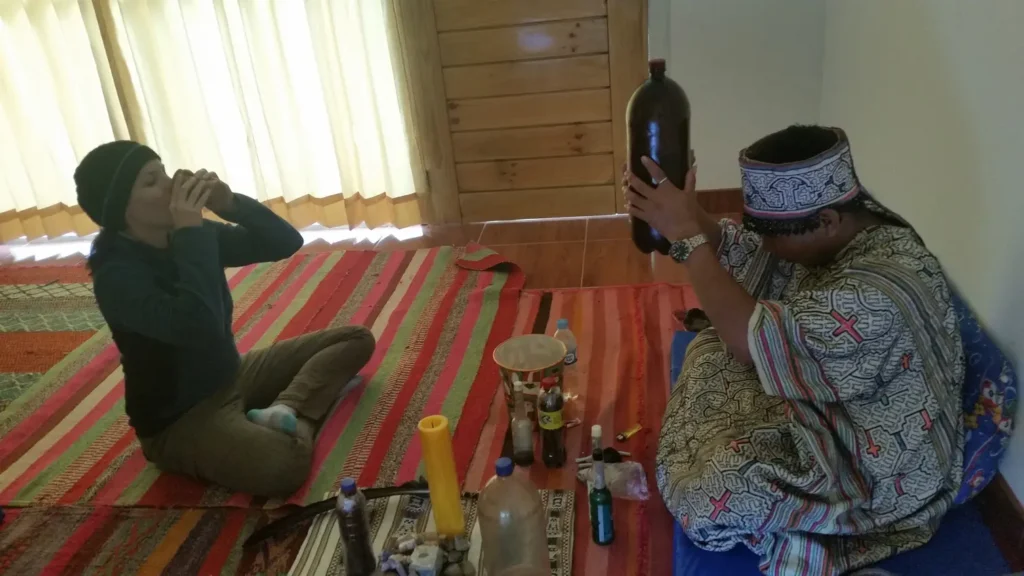
In its most traditional form — as practiced by Shipibo curanderos and other Amazonian healing lineages — the dieta is itself a ceremony. Healers and their apprentices undertake extended dietas lasting months or years, in isolation, consuming minimal food and working in deep relationship with specific master plants. This intensive form of the dieta is how traditional ayahuasqueros develop their connection to the plants, their icaros (healing songs), and their capacity to guide others.
For retreat participants, the dieta takes a more accessible form: a preparatory period ranging from three days to several weeks before the ceremony, during which certain foods, substances, and behaviors are avoided. The goals are threefold — physical safety, physical receptivity, and what the traditions describe as energetic alignment.
Understanding which of these goals each restriction serves helps you follow the diet with purpose rather than just compliance.
Ayahuasca Retreats in Cusco
1 Day Ayahuasca Retreat Cusco
Designed for visitors with little time seeking a profound spiritual experience, the 1 Day Ayahuasca Retreat in Cusco, Peru is meant for them.
2 Day Ayahuasca Retreat Cusco
Our 2 Day Ayahuasca Retreat Cusco Peru offers a sacred space for those who seek profound healing and self-discovery in a short yet powerful journey.
Book an authentic Ayahuasca Ceremony Cusco with local facilitators, traditional rituals, and personalized guidance. Our Ayahuasca Retreat in Peru offers a safe, respectful, and deeply transformative experience.
Why the Ayahuasca Diet Exists: The Science and the Tradition
The two explanations for the ayahuasca diet — scientific and traditional — are not in conflict. They describe the same reality through different lenses.
The scientific explanation centers on the pharmacology of the brew. Ayahuasca contains beta-carboline compounds from the Banisteriopsis caapi vine — harmine, harmaline, and tetrahydroharmine — which act as reversible inhibitors of monoamine oxidase A (MAO-A). These enzymes normally break down a range of compounds in the digestive system and the brain, including tyramine, an amino acid found in many common foods. When MAO-A is inhibited, tyramine accumulates and can trigger the release of norepinephrine, causing sharp increases in blood pressure. In sensitive individuals or in cases of significant dietary violations, this interaction can produce severe headaches, hypertensive episodes, and in rare extreme cases, cardiovascular emergencies.
The dietary restrictions that target tyramine-rich foods — aged cheeses, cured meats, fermented products, certain fruits — exist precisely to minimize this risk. They are not suggestion. They are safety.
The traditional explanation goes further. Amazonian healers understand the dieta as a process of clearing — removing energetic interference so that the plant spirit can communicate clearly. Heavy foods, stimulants, alcohol, and certain sensory inputs are understood to create density in the body’s energetic field that clouds the medicine’s work. The diet creates a kind of internal silence, a cleared space, that allows the ceremony to reach deeper.
Both explanations point to the same practical conclusion: the dietary preparation matters, and it matters in ways that are measurable as well as experienced.
The Tyramine-MAOI Interaction: Why Some Restrictions Are Safety-Critical
This is the pharmacological detail that every participant should understand clearly before attending a ceremony.
Tyramine is an amino acid that forms naturally in foods as they age, ferment, or cure. Under normal circumstances, MAO-A enzymes in the gut break it down efficiently before it can enter the bloodstream in significant amounts. When ayahuasca’s beta-carbolines inhibit MAO-A, this protective mechanism is temporarily suppressed.
The result is that tyramine from food passes into the bloodstream intact, where it triggers norepinephrine release. This causes vasoconstriction and blood pressure elevation — what clinicians call a “tyramine pressor response.” In healthy individuals consuming modest amounts of tyramine with moderate MAOI activity, the effects may be limited to a headache or increased heart rate during the ceremony. In individuals with underlying cardiovascular conditions, or in cases of high tyramine intake, the response can be severe.
The foods highest in tyramine — aged cheeses like parmesan or cheddar, cured meats like salami or pepperoni, fermented soy products like soy sauce and miso, overripe fruits, tap beer, wine — are the ones the dieta most urgently restricts. These are not arbitrary cultural preferences. Their restriction has a direct pharmacological rationale.
The MAO-A inhibition from ayahuasca’s beta-carbolines is reversible and relatively short in duration — primarily active during the ceremony itself and for several hours afterward. However, most experienced facilitators recommend beginning the tyramine restrictions several days before the ceremony to reduce the overall tyramine load in the system, and maintaining them for at least 24 hours after the ceremony ends.
Foods and Substances to Avoid Before Ceremony
The following list distinguishes between restrictions that are safety-critical (pharmacological basis) and those that are traditional and energetic in nature, so you can understand the reason behind each one.
🔴 Safety-Critical — Avoid for at Least 7 Days Before
These interact directly with the MAOIs in ayahuasca and can cause dangerous blood pressure increases or serotonin-related complications:
Tyramine-rich foods:
- Aged, cured, or hard cheeses (parmesan, cheddar, brie, blue cheese)
- Cured and fermented meats (salami, pepperoni, prosciutto, chorizo, bacon, smoked fish)
- Fermented soy products (soy sauce, tamari, miso, tempeh, tofu aged in brine)
- Fermented vegetables (sauerkraut, kimchi, pickles)
- Tap beer, wine, and all alcoholic beverages
- Overripe or dried fruits (overripe bananas, dried figs, raisins, dates)
- Broad beans / fava beans
- Yeast extracts (Marmite, Vegemite, nutritional yeast)
Pharmacologically dangerous substances:
- SSRIs and most antidepressants (requires medical supervision to taper — weeks, not days)
- MAOIs (pharmaceutical — the interaction is compounding and potentially fatal)
- Stimulants (amphetamines, ADHD medications, cocaine)
- Tramadol and some opioid painkillers
- Certain decongestants and antihistamines containing pseudoephedrine or ephedrine
- St. John’s Wort and 5-HTP supplements
- Cannabis / marijuana (ideally 2 weeks before)
🟡 Traditional and Energetic — Avoid for 3–7 Days Before
These are traditional restrictions without the same direct pharmacological urgency, but which experienced facilitators consistently recommend for the quality of the experience:
- Pork and red meat (beef, lamb) — considered energetically dense
- Refined sugar and artificial sweeteners
- Excessive salt (disrupts the body’s receptivity and is linked to emotional reactivity)
- Processed and packaged foods
- Spicy foods, chili peppers, hot sauces
- Raw onion and raw garlic in large quantities
- Fried foods and heavy oils
- Coffee and caffeinated drinks (including energy drinks and some teas)
- Dark chocolate
- Carbonated drinks
Foods and Drinks to Embrace
The dieta is not primarily about restriction — it is about simplification. The following foods are not only permitted but actively supportive of the preparation:
Grains and starches:
Rice (white or brown), quinoa, oats, amaranth, millet, corn, sweet potato, regular potato, yuca. These provide steady energy without the heaviness of protein-dense or fat-rich foods.
Vegetables:
Most fresh vegetables are excellent. Lightly steamed or boiled is preferable to raw or fried. Prioritize: zucchini, broccoli, carrots, beets, leafy greens, cucumber, pumpkin, green beans. Avoid large amounts of raw onion and garlic.
Fruits:
Fresh, ripe (not overripe) fruits are generally permitted. Good choices: banana (not overripe), papaya, melon, apple, pear, mango, berries, peach. Avoid very sweet juices and overripe specimens.
Proteins:
Fresh (not cured or smoked) fish and eggs are the most commonly permitted animal proteins. Free-range chicken is acceptable in most traditions. Lentils, chickpeas, and most beans (except fava beans) are good plant protein sources.
Fresh cheeses:
Fresh, unaged cheeses — ricotta, cottage cheese, fresh mozzarella — contain minimal tyramine and are generally acceptable in moderation.
Drinks:
Water is the priority — drink more than usual in the days before. Herbal teas (chamomile, peppermint, lemongrass, ginger, rosehip) are ideal. Avoid stimulating teas (green tea, black tea in large quantities).
Lifestyle Restrictions: Beyond What You Eat
The full dieta extends beyond food. These lifestyle elements are part of the traditional preparation and, in the experience of most facilitators, have real effects on the quality of the ceremony:
Sexual abstinence: Most traditions recommend avoiding sexual activity — including masturbation — for a minimum of 3 to 7 days before the ceremony, and ideally the same period after. The traditional explanation centers on the conservation of vital energy. Whether approached through that framework or a more secular one, participants consistently report that this practice contributes to a greater sense of internal focus and presence.
Reduction of screen time and media consumption: Violent, emotionally disturbing, or highly stimulating content — whether news, social media, films, or arguments — creates emotional agitation that carries into the ceremony. The weeks before a ceremony are genuinely better spent in quieter inputs: reading, time in nature, journaling, meditation.
Limiting social overstimulation: Large gatherings, loud environments, and high-energy social situations disperse the internal focus the dieta is building. This is not about isolation — it is about conservation.
Mindfulness or meditation practice: Even 10 to 15 minutes of simple breathing meditation daily during the preparation period has a measurable effect on how settled participants arrive. The ceremony will ask you to stay present with whatever arises. Any practice that develops that capacity beforehand is useful.
Journaling and intention-setting: The preparation period is the right time to clarify what you are bringing to the ceremony. Not a rigid expectation of outcome, but an honest sense of what you want to explore, heal, or understand. The medicine tends to work with what participants consciously bring into the space.
Week-by-Week Preparation Timeline
Different retreat centers have different protocols. What follows reflects a comprehensive preparation based on the guidance provided by Ayahuasca Cusco for our retreat participants. Specific instructions you receive from us supersede this general guide.
2 Weeks Before
Begin eliminating all recreational and non-essential substances: cannabis, alcohol, all recreational drugs. If you are taking SSRIs, MAOIs, or other psychiatric medications, this is the point at which you need to contact your prescribing physician to discuss tapering — do not stop these medications abruptly or without medical supervision. Stop all supplements containing 5-HTP or St. John’s Wort.
Begin reducing highly processed foods, excess sugar, refined carbohydrates, and caffeine. A gradual reduction is kinder to your system than a sudden stop, and it reduces the likelihood of withdrawal symptoms (headaches, irritability, fatigue from caffeine) coinciding with the ceremony.
Begin a light journaling practice. What brings you to this ceremony? What are you hoping to work with? What are you afraid of?
1 Week Before
All safety-critical restrictions now fully in place: no aged cheeses, no cured meats, no fermented foods, no alcohol, no pharmaceutical contraindications.
Diet simplifies significantly: whole grains, fresh vegetables, fresh fruit, eggs, fresh fish, light chicken. Meals become simpler and smaller. This is also when sexual abstinence ideally begins.
Reduce screen time and social media. Spend more time outdoors if possible. Sleep becomes a priority — fatigue going into a ceremony is a disadvantage.
3 Days Before
Diet is at its cleanest. Avoid all pork, red meat, excess salt, spicy food, coffee, and sugar. The body should be feeling lighter and clearer by this point — that physical shift is a signal that the preparation is working.
Avoid alcohol completely (this should already be the case from week two, but the importance is absolute in this window). Do not consume cannabis.
Continue journaling. If anxiety about the ceremony is rising, that is normal — the preparation period often surfaces exactly what the ceremony will eventually address.
The Day Before
Eat simply and lightly. A good day-before meal plan: oatmeal with fresh fruit for breakfast, steamed vegetables with rice and a small portion of fresh fish or eggs for lunch, light vegetable soup or fruit in the evening. Stop eating by 7pm if possible.
Avoid anything on the restricted list completely. Rest well. Spend time in quiet reflection or light outdoor activity. Do not make the day intensely social or stimulating.
The Day of the Ceremony: Specific Guidance
This is the section most participants look for and most articles treat superficially.
Morning: A light breakfast is fine if the ceremony is in the evening — simple oatmeal, fresh fruit, herbal tea. Nothing heavy, nothing fried, nothing from the restricted list.
Midday: A small, light lunch by noon if needed — steamed vegetables, a small portion of rice or quinoa, a piece of fruit. Keep it minimal.
Afternoon: Stop eating completely by 4pm at the latest, ideally earlier. Your stomach should be essentially empty when the ceremony begins. A full stomach creates unnecessary nausea during the ceremony and can compromise the quality of the experience significantly.
Hydration: Drink water normally throughout the day, but stop drinking significant amounts of liquid 1–2 hours before the ceremony starts. A slightly hydrated but not overfull stomach is the goal.
What to wear and bring: Comfortable, loose-fitting clothing in natural fibers. A light blanket. An intention clearly held in mind. Leave your phone off or at your accommodation if possible — the ceremony space is not the place for it.
On arrival: Your facilitators will greet you and go over any last preparation. There will usually be a coca leaf reading or an initial energetic assessment. This is part of the ceremony beginning.
What Happens If You Don’t Follow the Diet?
It depends on which part of the diet was not followed and how close to the ceremony the violation occurred.
For safety-critical restrictions (tyramine, contraindicated medications): The consequences can be genuinely serious. A tyramine-heavy meal — aged cheese, cured meats, wine — in the 24 hours before a ceremony can cause significant blood pressure elevation, intense headaches, sweating, and cardiovascular stress during the experience. Anyone taking SSRIs or MAOIs who participates in a ceremony without proper medical tapering risks serotonin syndrome, a potentially life-threatening condition. These are not rare edge cases — they are the reason experienced centers screen participants carefully.
For traditional restrictions (pork, spicy food, excess salt, coffee): The consequences are generally experiential rather than medically dangerous. The ceremony may be more physically uncomfortable — increased nausea, more agitated visions, less clarity. Participants who arrive having not followed the diet often report that the medicine spends much of the night in a kind of clearing work that could have been done in advance, leaving less space for the deeper personal and spiritual material.
The honest answer is: violating the diet is sometimes unavoidable — social situations, travel, limited food options. If you eat something on the restricted list accidentally, inform your facilitators before the ceremony. They will assess whether it affects your ability to participate safely. For most traditional violations (a bit too much salt, a coffee in the morning), the situation is manageable. For safety-critical violations, proceeding without disclosure is genuinely risky.
The Ayahuasca Diet in Cusco: Amazonian and Andean Dimensions
The dieta as practiced in Cusco reflects the dual heritage of this region — Amazonian plant medicine traditions brought together with Andean ceremonial culture in a way that is specific to this geography.
In purely Amazonian settings — the jungle retreat, the Shipibo maloca — the dieta tends to follow strict traditional Amazonian protocols, often including longer preparatory periods, more extended isolation, and a more austere food allowance. The emphasis is on clearing the energetic field for the work of the medicine and the healer’s songs.
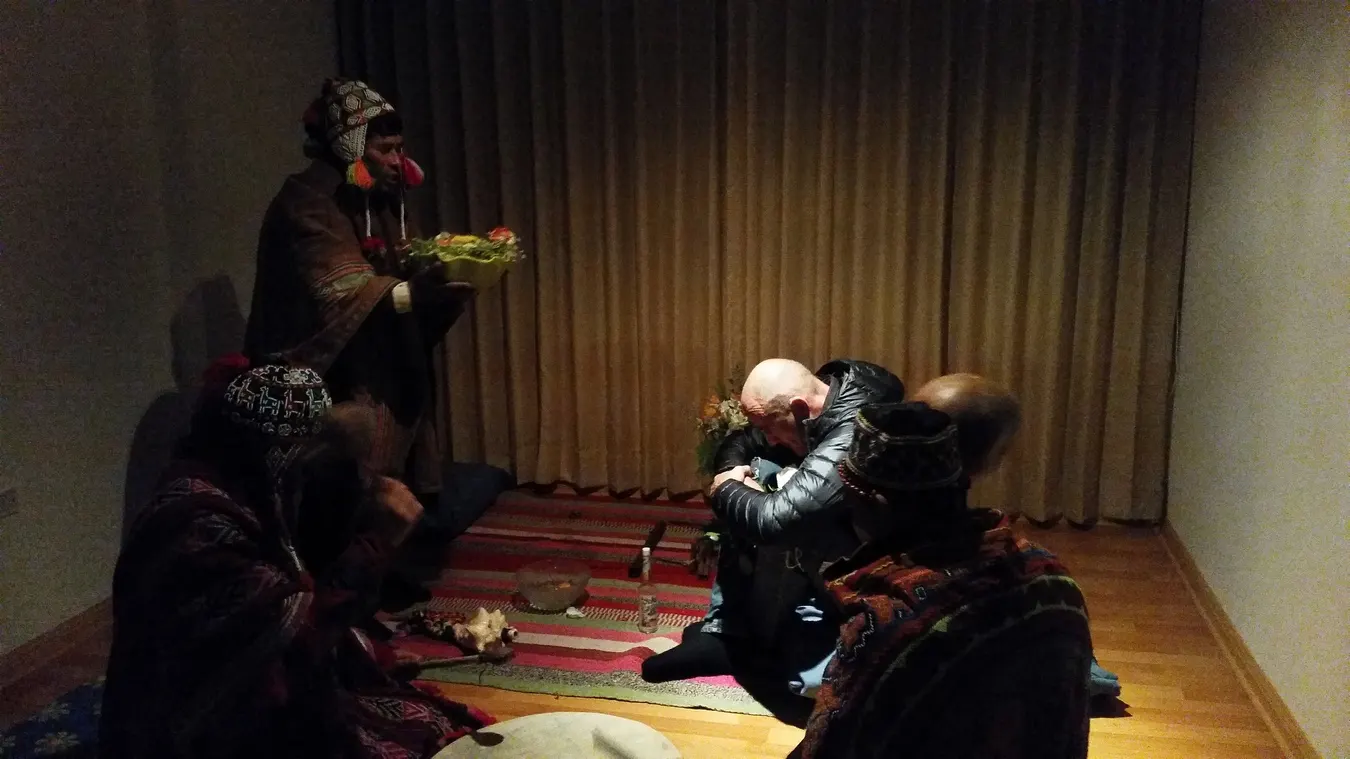
In Cusco and the Sacred Valley, the preparation integrates Andean elements. The relationship with Pachamama — Mother Earth — and the Apus (mountain spirits) shapes how the preparation is understood. Offerings of coca leaves, connection with the natural landscape, and ceremonies oriented toward the specific energetic character of the Andes add dimensions to the dieta that pure Amazonian protocols don’t include.
At 3,400 meters above sea level, the altitude itself is part of the preparation context. Participants arriving from lower elevations should allow two to three days to acclimatize before their ceremony — altitude adjustment affects the body significantly, and combining altitude sickness with a ceremony is neither safe nor ideal. Coca leaf tea, rest, and light hydration support acclimatization. This is a practical preparation specific to Cusco that most generic guides on the ayahuasca diet don’t address.
The Post-Ceremony Diet: Integration Begins at the Table
The diet does not end with the ceremony. What you eat and how you live in the days following a ceremony is part of the integration process — and integration is where the lasting benefit of the experience is either deepened or lost.
Immediately after the ceremony: Your body has been through something significant. The digestive system and nervous system both need gentleness. The first meal after a ceremony — typically the morning following a nighttime ceremony — should be simple and light: fresh fruit, plain oatmeal, a light broth. Nothing heavy, nothing rich.
For 3–7 days after: Maintain the core restrictions. Avoid alcohol, pork, and heavily processed food. This is not an arbitrary extension of the protocol — it is a recognition that the energetic state opened during the ceremony continues to unfold in the days that follow, and that heavy inputs close down the space in which that unfolding happens.
For 2 weeks after: The full traditional recommendation is to continue a simplified diet for approximately two weeks post-ceremony, particularly after a longer retreat. Most participants find this natural — the experience itself tends to reduce appetite for stimulants, heavy food, and alcohol organically.
The integration dimension: The post-ceremony diet is also a form of continued intention. Every meal prepared and eaten in alignment with the dieta in the days after the ceremony is an act of respect for the work that was done — a signal to yourself that the process is continuing. The insights and emotional shifts from a ceremony don’t consolidate immediately. They need space, quiet, and a body that is still in a receptive state. The diet provides that.
Common Questions About the Ayahuasca Diet
How long before my ceremony should I start the ayahuasca diet?
For safety-critical restrictions — especially anyone on SSRIs, antidepressants, or other contraindicated medications — the preparation period begins 2 to 4 weeks before the ceremony (medication tapering must be done under medical supervision). For dietary restrictions specifically, most experienced facilitators recommend a minimum of 7 days for a thorough preparation, with 10 to 14 days being ideal for people who consume significant amounts of caffeine, alcohol, or processed foods regularly. The minimum absolute floor — for safety, not optimal preparation — is 3 days.
What if I’m vegetarian or vegan? Does the diet work differently?
The ayahuasca diet is naturally compatible with both vegetarian and vegan diets. In fact, the simplest version of the dieta is essentially plant-based — whole grains, fresh vegetables, legumes, and fruit. The main thing to watch as a vegan is fermented soy products: tempeh, miso, and soy sauce are on the restricted list due to tyramine content. Fresh tofu in small amounts is generally acceptable.
Do I need to tell the retreat center if I accidentally ate something restricted?
Yes, always. This is not about judgment — it is about safety and the ceremony’s integrity. For safety-critical violations (a medication interaction, a tyramine-heavy meal the night before), the information directly affects whether you can safely participate and at what dose. Facilitators are experienced with dietary variations and will assess the situation without making you feel guilty. The important thing is transparency.
Is coffee really prohibited? What about one cup in the morning?
Coffee is on the traditional restricted list rather than the safety-critical list. A single cup of coffee the morning of a ceremony is unlikely to cause a dangerous interaction, but it does introduce a stimulant into a system that the dieta has been trying to quiet. Most experienced facilitators recommend stopping caffeine at least 3 to 5 days before the ceremony — enough time to clear withdrawal symptoms (the headache typically peaks at day 2 and resolves by day 3) and arrive with a genuinely more settled nervous system.
Can I drink herbal teas during the dieta?
Yes — herbal teas are encouraged. Chamomile, peppermint, lemongrass, ginger, and rosehip are all excellent. Avoid teas with stimulating properties (green tea and black tea contain caffeine). Be aware that certain herbal preparations can have interactions: kava, valerian, and any supplement containing MAOIs should be avoided. When in doubt, ask your facilitators.
What about prescription medications other than antidepressants?
Always disclose all prescription medications to the retreat center before your ceremony — not just psychiatric medications. Some common medications interact with ayahuasca’s MAOI activity: certain decongestants containing pseudoephedrine, some blood pressure medications, tramadol and certain other painkillers, and some antihistamines. A legitimate retreat center will review your complete medication list as part of the health screening process. Never stop a prescription medication without discussing it with your prescribing physician first.
What should I eat on the day of the ceremony?
A light breakfast in the morning if the ceremony is in the evening: oatmeal, fresh fruit, herbal tea. A small, simple lunch before noon if needed. Nothing after 4pm. Your stomach should be essentially empty by the time you take the medicine. A full stomach creates unnecessary nausea and compromises the depth of the experience.
If you have specific dietary questions or want to discuss how your current medications interact with the preparation protocol, contact us before booking. We review every participant’s health situation individually as part of our intake process. Our retreat programs range from a single-day ceremony to a 7-day immersion in the Sacred Valley.
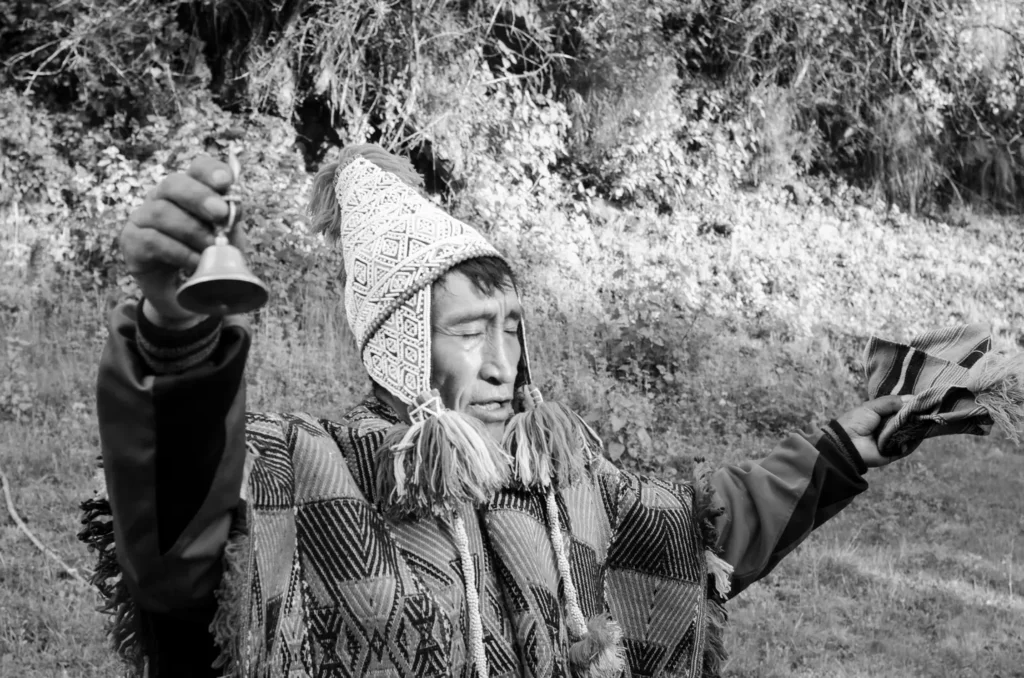
Shipibo shaman guiding ayahuasca retreat in Peru – Chamán shipibo ceremonia ayahuasca Perú